Trump Says He Was “Exonerated” by Epstein File Releases as Clinton Demands Full Transparency
Former President Donald Trump said this week that newly released investigative materials connected to Jeffrey Epstein fully clear him of wrongdoing, declaring to reporters that he has “nothing to hide” and has been “totally exonerated.”
His remarks came after the Department of Justice released millions of pages of records tied to investigations into Epstein and his longtime associate Ghislaine Maxwell, who is currently serving a 20-year sentence for sex trafficking-related offenses.
Trump maintained that prior reviews of the evidence found no criminal conduct on his part and reiterated that he had severed ties with Epstein years ago. He characterized renewed scrutiny as politically motivated and accused critics of attempting to revive allegations already dismissed.
Clinton Calls for Broader Disclosure


Speaking at an international policy forum in Berlin, former Secretary of State Hillary Clinton argued that the Justice Department has not yet released all relevant materials tied to the Epstein investigation.
Clinton contended that redactions and withheld categories of documents — including internal prosecutorial memoranda — raise questions about whether the public has received the full picture. She emphasized that being named in investigative documents does not imply wrongdoing, but said transparency is essential to maintain public trust.
Clinton and former President Bill Clinton have also been mentioned in portions of the released records, reflecting social overlaps within elite political and philanthropic circles. Neither has been charged with crimes related to Epstein.
The former secretary of state has called for any testimony related to the matter to be conducted publicly rather than behind closed doors, arguing that “sunlight is the best disinfectant.”
Congressional Pressure Mounts

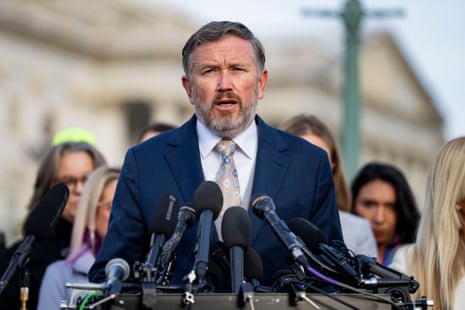

The controversy has intensified in Congress, where the House Oversight Committee is examining how the Epstein case was handled.
Representative Thomas Massie and other lawmakers have called for the release of additional internal communications detailing past prosecutorial decisions. Some members argue that without those documents, it is difficult for the public to fully assess whether justice was administered fairly.
At the same time, administration officials say millions of pages have already been disclosed — describing the release as one of the largest in recent Justice Department history — and note that certain exclusions involve sensitive medical information, graphic material involving minors, or content connected to ongoing legal matters.
International Dimensions

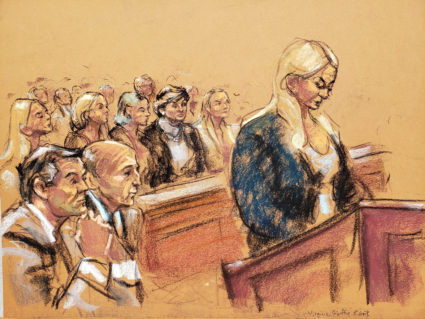

Beyond U.S. politics, the Epstein case continues to carry international implications. Prince Andrew previously faced civil litigation brought by Epstein accuser Virginia Giuffre, which ended in a 2022 out-of-court settlement without admission of liability.
Calls from some U.S. lawmakers and advocacy groups have urged that all individuals connected to Epstein’s network — regardless of status — cooperate with inquiries if asked.
Divided Public, Ongoing Questions
Epstein’s 2019 death in federal custody — officially ruled a suicide — remains a flashpoint for skepticism and conspiracy theories across the political spectrum.
The sheer scale of the newly released materials has fueled debate over accountability, transparency, and institutional trust. While Trump insists the documents vindicate him, critics argue that only a fully unredacted disclosure would resolve lingering doubts.
With congressional hearings approaching and political rhetoric escalating, the dispute over the Epstein files appears unlikely to subside soon. At stake is not only reputational damage for political figures, but broader questions about how sensitive investigations involving powerful individuals are conducted — and how much of that process the public is entitled to see.