It wasn’t just another State of the Union address on the calendar — it was a speech shadowed by numbers that refuse to cooperate.
On the eve of the 2026 address, a new Washington Post–ABC News–Ipsos poll shows Donald Trump with 39% approval and 60% disapproval nationwide. Among independents, the numbers are even more striking: just 26% approve of his performance, marking his weakest standing with that bloc in either of his terms.
A Speech Under Pressure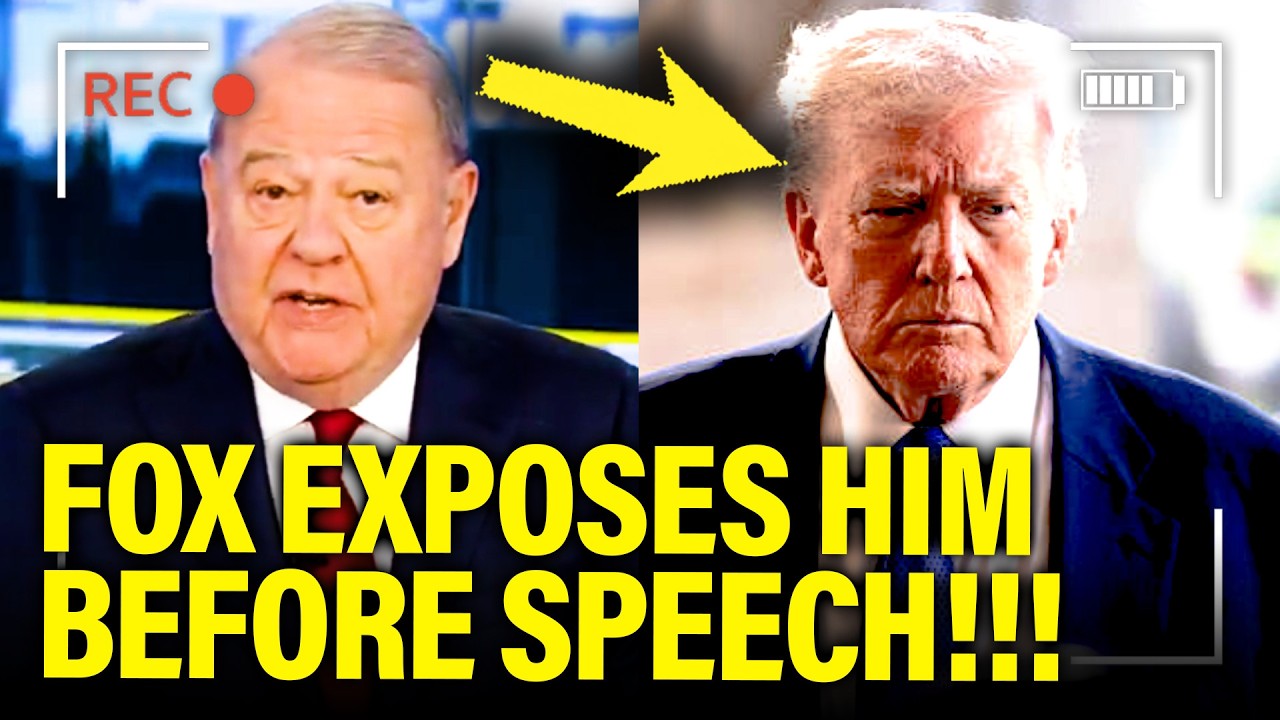
Traditionally, a State of the Union address offers a president an opportunity to project strength, reset the narrative, and rally both party and country behind a forward-looking agenda. This year, however, Trump heads into the chamber facing political headwinds rather than momentum.
Even some conservative commentators have openly questioned his economic strategy — particularly his tariff policy. On-air discussions have framed tariffs as a “losing proposition,” arguing that while intended to protect domestic industries, many of the costs are ultimately passed on to American consumers.
Federal Reserve-linked research cited in recent coverage suggests that the majority of tariff costs have been absorbed by businesses and households, contributing to elevated prices on tradable goods. Trump’s economic advisers dispute that interpretation, but inflation pressures remain a central voter concern.
Supreme Court Setback
Adding to the challenge, the U.S. Supreme Court recently struck down Trump’s use of emergency powers to impose sweeping global tariffs, ruling that such authority rests with Congress. The decision represents a significant legal setback for a policy that has been central to Trump’s economic messaging.
Legal analysts note that while the president retains tools for targeted trade measures, the broader strategy he promoted now faces structural limitations. Trump has criticized the ruling and indicated he will pursue alternative approaches.
Economic Unease
Beyond tariffs, broader economic indicators have added to the political strain. New data shows that the number of U.S. farms declined by 15,000 in 2025, continuing a long-term downward trend. Farm bankruptcies have also risen, with no state reporting an increase in total farm operations last year.
While large-scale farms reporting over $1 million in annual sales saw slight growth, smaller operations continue to face pressure from urban expansion and low per-acre returns.
Trump has pushed back against criticism, insisting that affordability metrics are improving and dismissing unfavorable polling as inaccurate. At rallies, he has characterized negative surveys as “fake polls” and emphasized what he describes as economic resilience.
Political Optics
Complicating matters further, several Democratic lawmakers — including Adam Schiff — have announced plans to skip the State of the Union in favor of alternative programming, underscoring the deeply polarized environment surrounding the speech.
Historically, State of the Union addresses can temporarily boost presidential approval if they effectively reframe public perception. However, analysts caution that deeply entrenched partisan divides make significant opinion shifts less likely.
What to Watch
The address now carries dual purposes: outlining policy priorities and attempting to stabilize public perception. With approval numbers underwater and legal constraints on a signature policy, Trump faces the task of projecting strength while navigating visible setbacks.
Whether the speech succeeds in reshaping the narrative or reinforces existing divisions will become clearer in the days that follow — when new polling and market reactions offer the next data points in an already turbulent political season.