Fulton County Challenges Justice Department’s Seizure of Election Records
By Staff Writer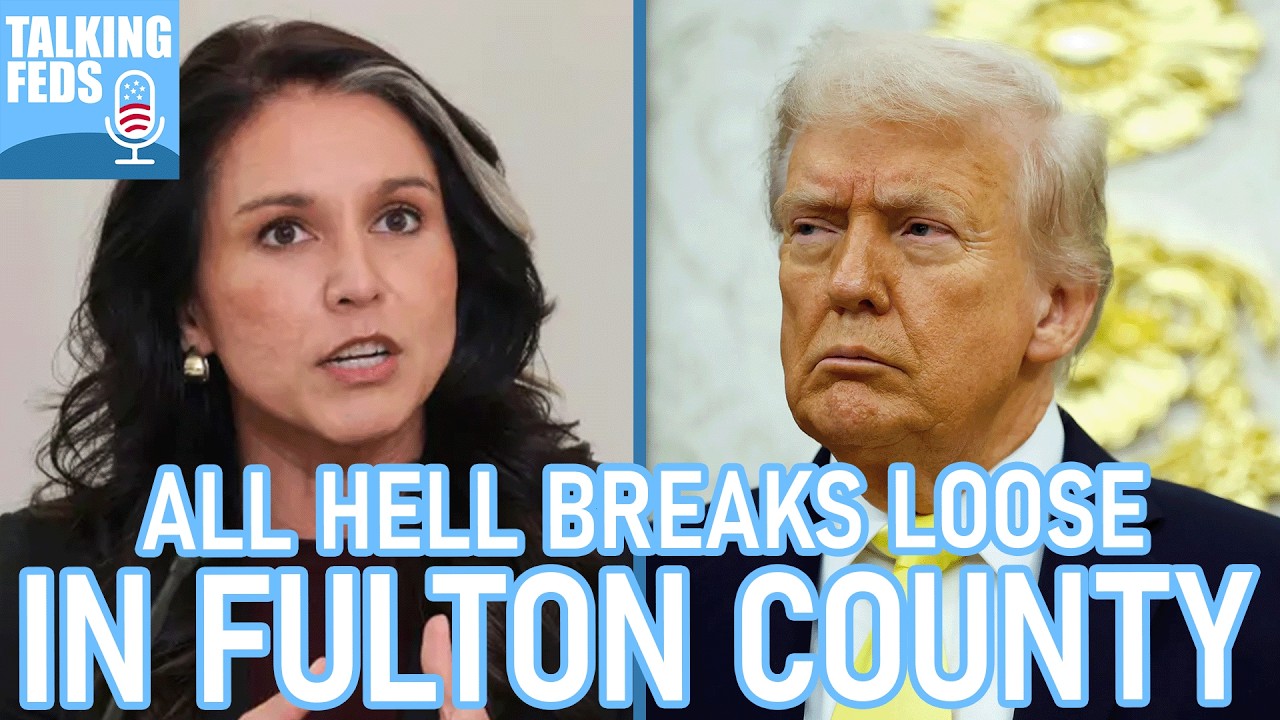
ATLANTA — A legal battle is unfolding in Fulton County, Ga., after the U.S. Department of Justice executed a search warrant at county election offices and removed approximately 700 boxes of ballots, ballot images and related materials. County officials are now asking a federal court to order the return of the records, arguing that the seizure was improper and threatens local control over election administration.
The dispute centers on a search warrant approved by a federal magistrate judge, reportedly based on a sealed affidavit asserting probable cause. The contents of that affidavit — which would explain the government’s legal theory and factual basis for the search — are expected to be unsealed following a recent order by a federal district judge. The pending disclosure has drawn national attention, with election administrators, voting-rights advocates and legal analysts awaiting clarity on how federal investigators justified such an expansive seizure.
Fulton County officials, joined by the county government itself, have filed a motion seeking the return of the property. Under established legal standards, challengers must demonstrate, among other factors, that the government showed a “callous disregard” for constitutional rights in executing the search. The motion argues that Fulton County’s 2020 election procedures have been repeatedly reviewed and certified, and that the materials taken relate to events that have already been subject to public scrutiny and litigation.
Legal experts note that motions to return seized property are not uncommon, particularly in high-profile cases involving searches of government offices or political figures. Courts weigh several factors, including the government’s need to retain the materials and the potential harm to the party seeking their return. In some instances, judges have imposed conditions on how seized materials may be used or copied while litigation proceeds.
The broader stakes of the dispute extend beyond Fulton County. Election administration in the United States is largely conducted at the state and local levels, with federal oversight typically limited to enforcing voting-rights statutes and investigating alleged federal crimes. Any federal intervention in local election offices therefore raises questions about the balance between state authority and federal enforcement powers.
The Justice Department has not publicly detailed the scope or purpose of its investigation. Without access to the affidavit, it remains unclear whether the inquiry relates to alleged election fraud, record-keeping practices or another federal matter. The unsealing of the affidavit may provide insight into what persuaded a magistrate judge that probable cause existed to authorize the search.
For Fulton County, the immediate concern is the integrity and custody of election materials. Local officials have emphasized that ballots and related records are subject to strict preservation requirements under both state and federal law. They argue that removing such materials could complicate ongoing administrative duties and undermine public confidence, even if the seizure ultimately proves lawful.
The dispute comes at a time when election administration remains politically charged nationwide. Since the 2020 presidential election, numerous states and counties have faced litigation, audits and legislative changes related to voting procedures. Courts have repeatedly affirmed that state and local officials bear primary responsibility for conducting elections, though federal courts continue to serve as arbiters when disputes arise.
If the district court ultimately orders the return of the materials, it could limit the government’s ability to retain or analyze the records further. Conversely, if the court upholds the search warrant and denies the motion, the Justice Department would likely continue its investigation with the seized materials in hand.
The forthcoming unsealing of the affidavit may prove pivotal. It will determine not only whether the search met constitutional standards, but also how courts interpret the reach of federal investigative authority into local election offices. Observers say the outcome could influence similar disputes in other jurisdictions, particularly as the country approaches another national election cycle.
For now, the case stands as a reminder of the delicate interplay between federal enforcement powers and state-run election systems — a balance that courts are once again being asked to define.