Don Lemon Seeks Grand Jury Records in Minnesota Case, Arguing DOJ Forfeited Presumption of Regularity
February 15, 2026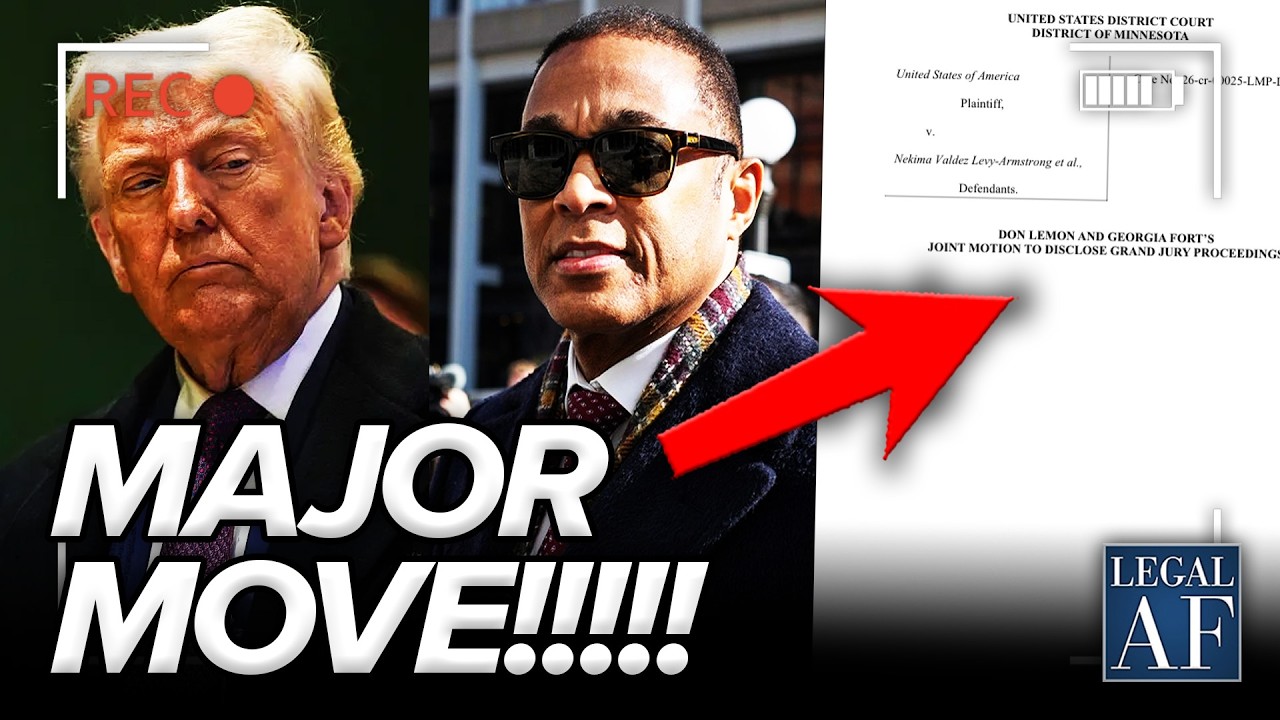
Journalist Don Lemon has filed a motion in federal court in Minnesota seeking disclosure of grand jury proceedings related to his recent indictment, arguing that the Department of Justice forfeited the traditional presumption that grand jury actions are conducted regularly and lawfully.
Lemon, along with journalist Georgia Fort and several others, was indicted following events at a church protest in St. Paul earlier this year. The protest occurred during heightened tensions surrounding Immigration and Customs Enforcement (ICE) operations in Minnesota. Lemon and Fort maintain they were present solely as journalists covering the event.
Their attorneys now argue that extraordinary circumstances justify access to grand jury transcripts — a remedy that courts grant only in rare situations.
The Presumption of Regularity
Grand jury proceedings are generally secret and presumed to be conducted properly. Courts require a showing of “particularized need” or good cause before ordering disclosure.
Lemon’s legal team contends that the Justice Department’s public statements — including comments by senior officials — undermine that presumption.
In the motion, Lemon’s lawyers argue: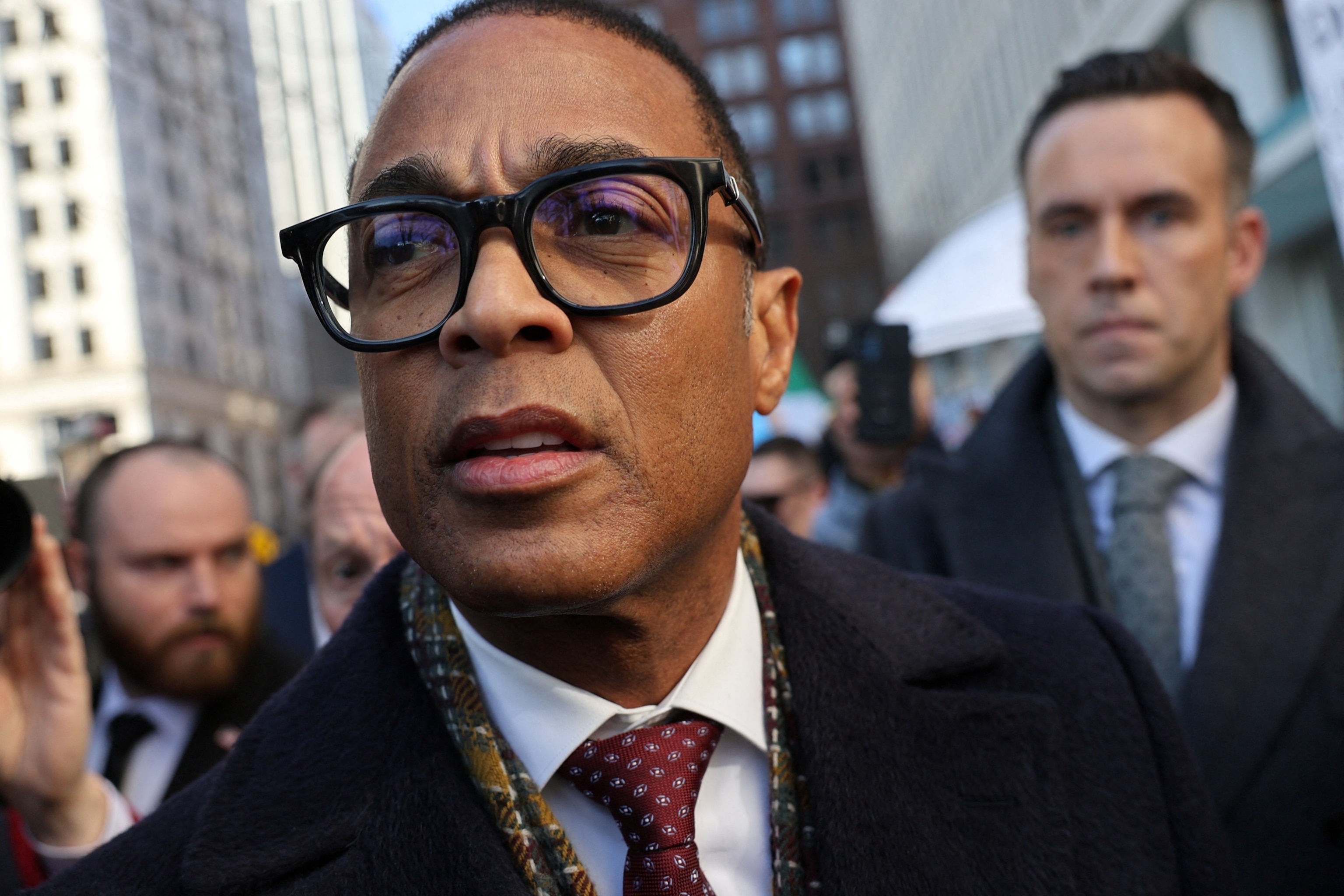
“The government has squandered that presumption. Its conduct has been highly unusual, nakedly political, and inconsistent with practice in this district.”
The filing claims that high-ranking DOJ officials publicly misstated both the law and facts surrounding the case while appeals and warrant proceedings were ongoing.
Focus on Public Statements by DOJ Officials
The motion highlights comments made by Harmeet Dhillon, Assistant Attorney General for Civil Rights, who publicly defended the prosecution.
In one televised interview, Dhillon suggested that claims of journalistic status were legally irrelevant if the conduct occurred inside a house of worship and implicated federal statutes.
Lemon’s attorneys argue that statement mischaracterizes First Amendment protections and potentially reflects how the law may have been presented to the grand jury.
They write:
“Disclosure of the grand jury proceedings is necessary to ensure the government did not mislead or misinstruct it.”
The motion also references statements by Attorney General Pam Bondi and Deputy Attorney General Todd Blanche, alleging broader public commentary that, according to Lemon’s team, reflects political bias.
The Charges
Lemon and Fort face two counts under federal law related to alleged interference with religious worship and conspiracy.
Prosecutors assert that conduct during the church protest disrupted the congregation’s ability to worship freely.
Defense attorneys counter that Lemon and Fort were exercising constitutionally protected journalistic functions and were not co-conspirators in protest activities.
They argue that the First Amendment limits criminal liability when individuals are present solely to document public events.
Prior Judicial Decisions
The motion notes that multiple judges, including Minnesota Chief Judge Patrick Schiltz, previously declined to approve certain warrants or charges related to the case.
Lemon’s attorneys cite those earlier decisions as evidence that the government’s theory has already faced judicial skepticism.
They also point to recent instances where courts have ordered disclosure of grand jury materials in cases involving alleged political irregularities, including proceedings involving public officials such as James Comey and Letitia James.
Allegations of Irregular Evidence
The defense filing also raises concerns about the government’s presentation of certain materials in public commentary, including a photograph allegedly circulated in connection with a co-defendant.
While the motion stops short of formal evidentiary allegations, it argues that such irregularities heighten concern about what may have occurred inside the grand jury room.
Political Context
Former President Donald Trump publicly criticized Lemon following the protest, calling his conduct inappropriate.
Defense attorneys cite those remarks as evidence of political pressure surrounding the case.
However, federal prosecutors have maintained that the charges are based strictly on statutory violations and are unrelated to political speech.
What Happens Next
The court must now decide whether Lemon has demonstrated sufficient “particularized need” to pierce grand jury secrecy — a high bar under federal law.
If granted, the disclosure could provide insight into:
-
How prosecutors framed the legal theory to jurors
-
Whether First Amendment protections were accurately explained
-
Whether any material misstatements occurred
If denied, the case will proceed through standard pretrial motions, where constitutional challenges to the indictment are likely to be raised.