New Mexico Legislature Approves Inquiry Into Former Epstein Ranch as Questions Resurface
The New Mexico Legislature has unanimously approved a formal inquiry into activities connected to the former Zorro Ranch property once owned by Jeffrey Epstein, marking the first state-level comprehensive review of the site since Epstein’s death in 2019.
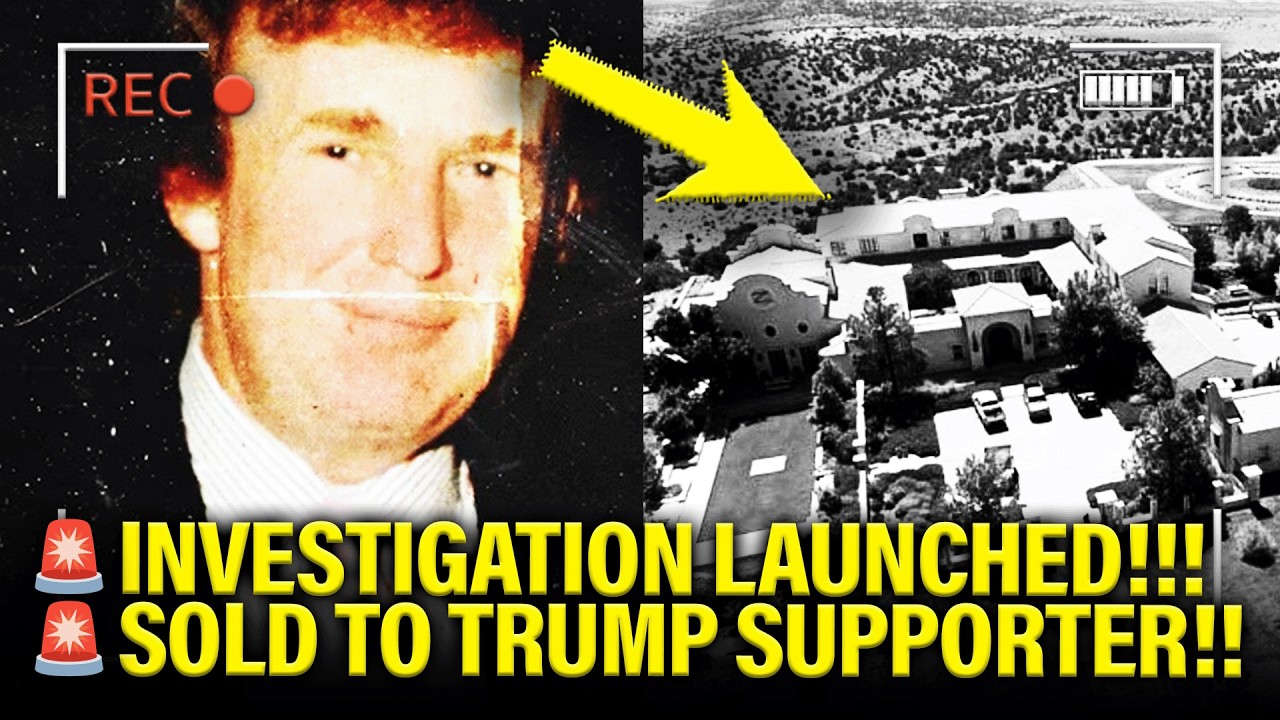
The ranch, located in Santa Fe County near Stanley, New Mexico, was purchased by Epstein in the early 1990s and remained part of his estate until it was sold in 2023 for approximately $12.5 million. The buyer, Don Huffines, a Texas businessman and former state senator who is currently running for Texas state comptroller, acquired the property through an estate sale. Huffines has publicly described himself as a conservative businessman and fifth-generation Texan. A spokesperson for the Huffines family has stated they are willing to cooperate with any lawful investigation but declined to elaborate on the rationale for purchasing the property given its history.
The legislative inquiry follows renewed scrutiny over whether the ranch was ever fully examined by federal investigators. Previously released internal emails from federal officials indicate that while properties in New York and the U.S. Virgin Islands were searched during the Epstein investigation, the New Mexico ranch was not. Correspondence from 2019 suggests federal prosecutors coordinated jurisdictional boundaries with New Mexico authorities regarding potential sex trafficking investigations, though no publicly documented search of the ranch appears to have occurred.

The newly formed state inquiry — described by lawmakers as a “truth commission” — is tasked with determining what, if any, criminal activity occurred on the property and whether investigative gaps remain. Legislators across party lines supported the measure, citing public interest in transparency. The resolution empowers the committee to review available records, request cooperation from relevant agencies and issue findings.
Bernalillo County District Attorney Sam Bregman, who is also a candidate for governor of New Mexico, has expressed support for the inquiry. In public remarks, Bregman emphasized that accountability should not depend on political status or national affiliation. “This is beyond politics,” he said. “If crimes occurred in our state and the evidence supports prosecution, they will be pursued.” Bregman clarified that while his office does not have direct jurisdiction over Santa Fe County matters, statewide transparency remains critical.
The renewed focus on the ranch also intersects with broader national debates surrounding the handling of Epstein-related materials. In recent months, federal agencies have released millions of pages of documents connected to the Epstein case. However, media investigations, including reporting from the United Kingdom’s Channel 4 News, suggest the publicly available material may represent only a fraction of the digital evidence originally seized. Federal officials have not publicly confirmed total data volumes beyond what has already been disclosed.
Questions have also surfaced regarding earlier coordination between federal and state authorities. A 2019 internal email from federal prosecutors referenced discussions with New Mexico’s Attorney General’s Office, indicating that state authorities agreed to pause certain investigative efforts related to sex trafficking while federal proceedings were active. Legal analysts note that jurisdictional coordination is common in multi-state investigations but acknowledge that the lack of a search at the New Mexico property remains notable.

Huffines’ political connections have drawn attention as well. His son currently serves in a federal administrative role in Washington. However, there is no evidence suggesting involvement by the Huffines family in any wrongdoing connected to Epstein. The purchase occurred after the estate was liquidated through court-supervised proceedings.
Separately, discussions have emerged about historical sex offender registration rules in New Mexico and whether gaps may have allowed certain individuals to avoid registration under specific circumstances. State officials maintain that current laws require registration for qualifying offenses and that enforcement mechanisms are in place. Legal experts caution that registration requirements vary depending on conviction jurisdiction and statutory language at the time.
For many lawmakers backing the inquiry, the issue centers less on political affiliation and more on restoring public confidence. “New Mexicans deserve clarity,” one legislator said during debate. “If nothing happened here, that should be confirmed. If something did, it should be addressed.”
The commission’s work begins this week, with initial document review and procedural hearings expected in the coming months. Whether new evidence emerges remains uncertain, but state officials say the goal is straightforward: establish facts, evaluate investigative history and determine whether further action is warranted.
As national conversations about Epstein’s network continue, New Mexico’s inquiry underscores a recurring theme in the aftermath of the case — that unanswered questions persist, and local jurisdictions are increasingly willing to examine them directly.