As Iran Tensions Escalate, Trump Faces Scrutiny Over Messaging and War Powers
WASHINGTON — President Trump is facing renewed scrutiny over both his handling of rising tensions with Iran and the tone of his public remarks following the deaths of three American service members in the region.
The fatalities, confirmed by U.S. Central Command earlier this week, occurred amid an intensifying cycle of strikes and counterstrikes involving American and Iranian-linked forces across the Middle East. While the administration has described recent operations as targeted and strategic, critics in Congress and across the political spectrum are pressing for clearer answers about objectives, authorization and the risk of further escalation.
At the center of the controversy is a brief exchange between Mr. Trump and reporters in which he was asked about the deaths and about broader plans regarding Iran. In his formal statement, the president expressed condolences to the families of the fallen and pledged continued resolve. Yet some commentators and lawmakers argued that his subsequent remarks and demeanor did not sufficiently address the gravity of the moment.
Administration officials have maintained that the recent military actions were limited in scope and intended to deter further aggression. They have emphasized that the United States does not intend to launch a ground invasion, describing the operations instead as large-scale but strategic strikes aimed at protecting American personnel and interests.
The debate has quickly expanded beyond tone to questions of legal authority. Some lawmakers argue that sustained military engagement requires explicit congressional authorization under the War Powers Resolution. Others contend that the president retains constitutional authority to act decisively in response to imminent threats against U.S. forces.
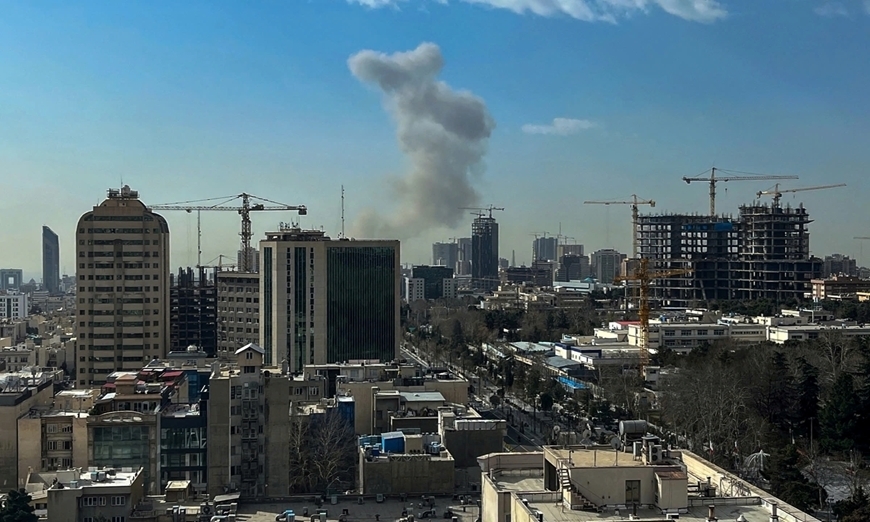
In televised interviews, administration allies have drawn a distinction between what they describe as “war” and limited strikes carried out in response to hostile actions. Critics, however, say that such semantic distinctions risk obscuring the scale and consequences of the engagement, particularly if additional casualties occur.
The question of imminence has become a focal point. In private briefings, Pentagon officials reportedly acknowledged that there was no clear indication Iran was preparing an immediate, preemptive strike against U.S. bases at the time of the latest operation. Supporters of the administration argue that deterrence often requires acting before threats fully materialize. Opponents counter that absent a demonstrable imminent threat, congressional consultation becomes even more critical.
The political fallout has been swift and, at times, fractured. Prominent conservative figures have publicly disagreed over both the substance and messaging of the policy. Some have framed the operation as necessary to counter what they describe as longstanding Iranian hostility toward the United States. Others have questioned whether the move risks entangling the country in a broader regional conflict inconsistent with “America First” principles.
Democrats, for their part, have criticized what they describe as insufficient transparency and have called for detailed briefings outlining the strategic endgame. Several have warned that without a clearly articulated objective, limited strikes could evolve into open-ended commitments.
The broader geopolitical landscape adds to the uncertainty. Iran has signaled that it views American actions as escalatory, while regional actors are calibrating their own responses. Analysts caution that even limited engagements can trigger cascading effects, particularly in a region where proxy networks and overlapping alliances complicate direct confrontation.
Markets have reacted cautiously, and diplomatic channels between Washington and European allies have grown more active as officials seek to prevent further deterioration. Still, with rhetoric hardening on multiple fronts, the risk of miscalculation remains a concern among foreign policy experts.
The episode also revives a familiar dynamic in American politics: how presidents balance decisiveness with deliberation during military crises. Since the passage of the War Powers Resolution in 1973, successive administrations have grappled with the tension between executive flexibility and congressional oversight. In practice, the boundary between limited action and sustained conflict has often been contested.
For Mr. Trump, who has previously criticized past presidents for engaging in prolonged overseas interventions, the current moment carries particular resonance. In a 2012 social media post, he suggested that military action could be used as a political distraction — a comment that critics have resurfaced in light of current events. Supporters dismiss such comparisons as partisan opportunism.
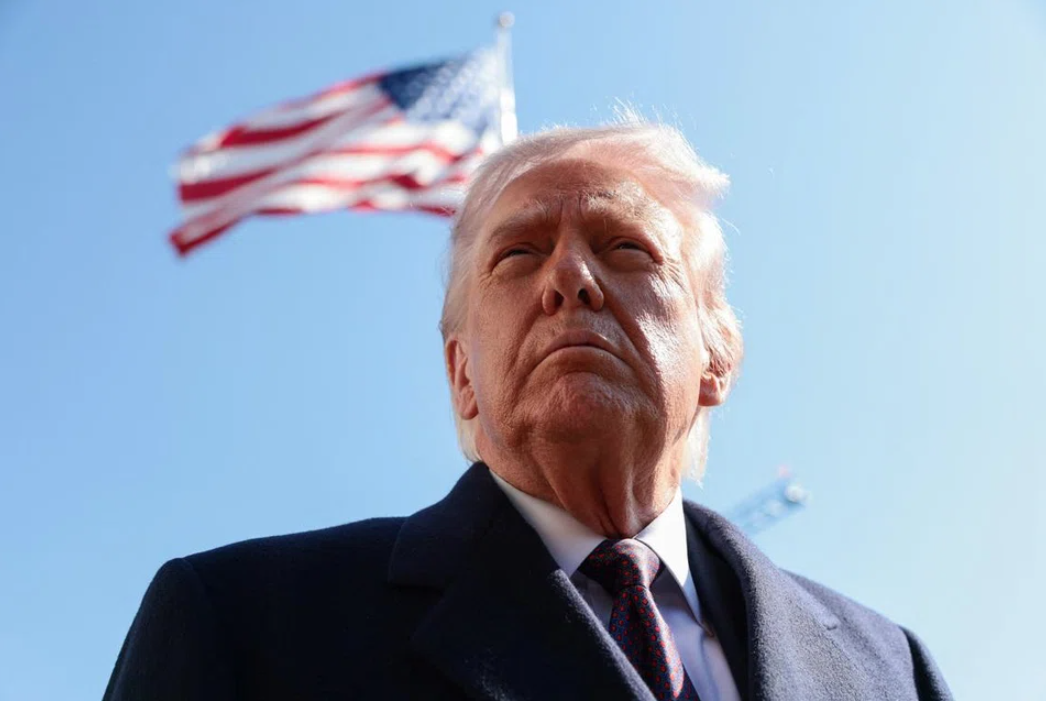
Whether the present confrontation expands or stabilizes may depend on decisions made in the coming days. For now, the administration insists its objective is deterrence, not invasion. But as the number of casualties grows and the legal debate intensifies, pressure is mounting for greater clarity.
In times of crisis, presidential words can carry as much weight as policy itself. As tensions with Iran continue to evolve, the administration faces not only strategic calculations abroad but also an increasingly urgent demand at home: to define the mission, articulate its limits and explain the path forward.