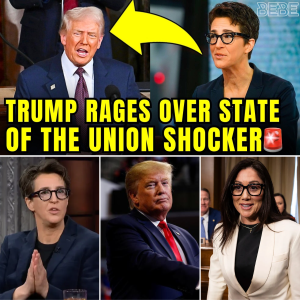
In the tense hours before his second State of the Union address of this term, President TRUMP found himself facing an unexpected and unusually forceful rebuke — not from Capitol Hill Democrats, but from the highest ranks of the American Catholic hierarchy.
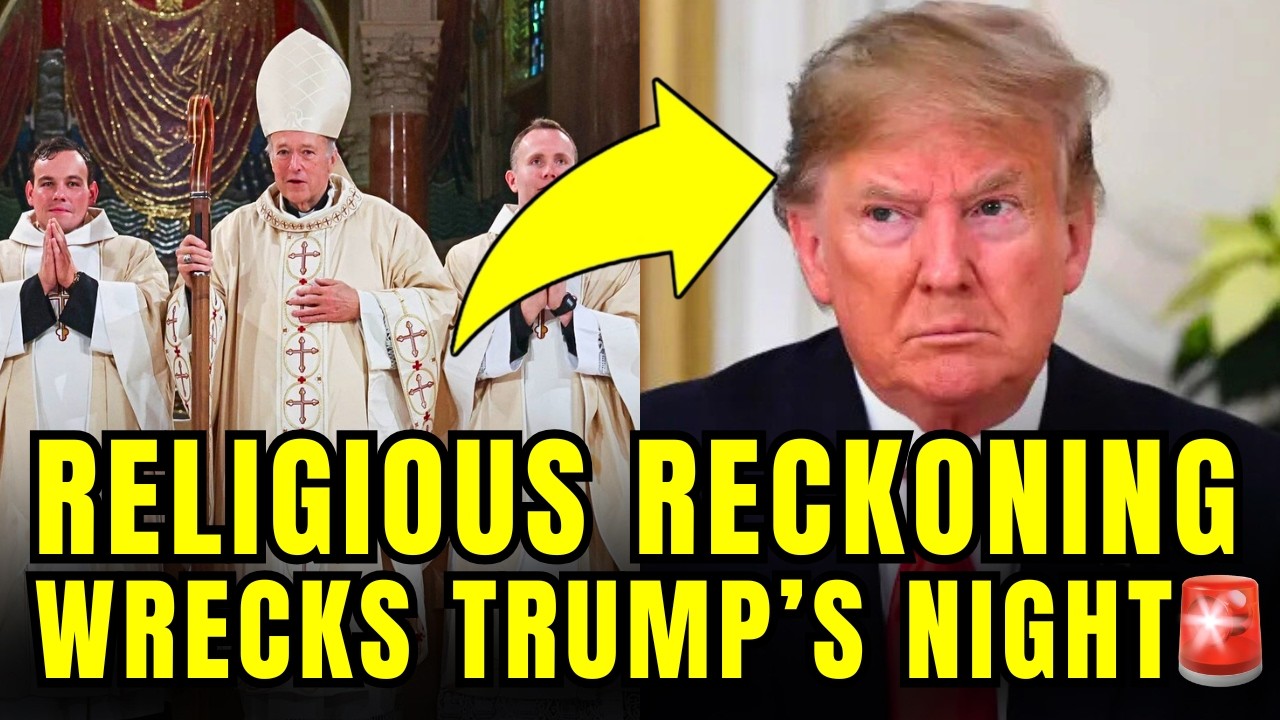
As anticipation built around a speech expected to spotlight a renewed hard-line immigration agenda, leading clergy from across the country issued a sharply worded public warning. The signatories included bishops from border states along Mexico and Canada, as well as leaders from Rhode Island and Kentucky. Their message was direct: immigration enforcement, as currently carried out, is harming families, undermining human dignity, and sowing fear in communities that include millions of faithful Catholics.
The statement, released the same day as the address, outlined eight specific policy recommendations aimed at reshaping the immigration system. The bishops called for safeguarding sensitive locations such as churches, schools, and healthcare facilities from enforcement operations; restoring due process protections; honoring the right to seek asylum at the border; and prioritizing family unity. They also urged Congress to establish a path to citizenship for long-settled, law-abiding immigrants and to improve access to legal immigration channels.
While acknowledging the right of a sovereign nation to enforce its laws, the clergy emphasized that such enforcement must respect “the God-given human dignity and rights of the human person.” From their perspective as pastors, they wrote, parishioners have increasingly avoided Mass and the sacraments out of fear that immigration agents might be present nearby. That chilling effect, they argued, represents not only a policy concern but a spiritual crisis.

The confrontation comes amid mounting scrutiny of Immigration and Customs Enforcement operations. According to Department of Homeland Security data cited in recent reporting, fewer than one in seven people arrested by ICE since TRUMP returned to office had charges or convictions for violent crimes. Yet administration officials, including Homeland Security Secretary Christy Noem, have repeatedly insisted the agency is targeting the “worst of the worst.”
High-profile incidents have amplified public anxiety. In Minneapolis, federal immigration agents were reportedly involved in enforcement actions that resulted in the deaths of two U.S. citizens. In Minnesota, the detention of five-year-old Liam Ramos during an operation involving his father drew national attention to the impact of aggressive tactics on families with children. Polling now suggests that 58 percent of Americans believe the president has gone too far with deportation policies.
A White House spokesperson defended the administration, stating that TRUMP was elected on promises to secure the border and deport criminal undocumented immigrants, and asserting that Americans overwhelmingly support a law-and-order agenda. The president himself has consistently touted his record in office, claiming sweeping economic gains and portraying critics as politically motivated.
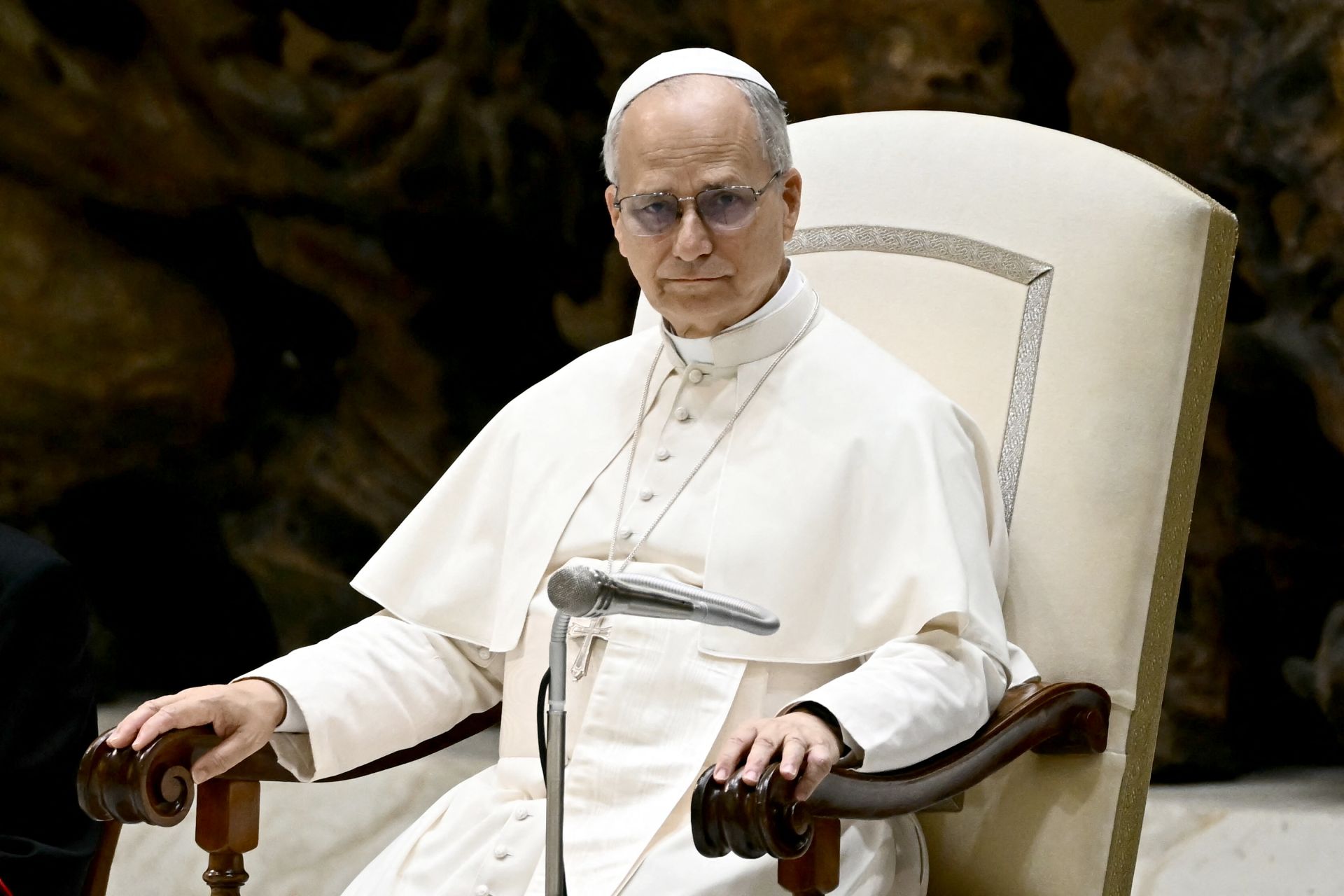
Yet the bishops’ intervention signals that opposition is no longer confined to traditional partisan lines. The U.S. Conference of Catholic Bishops has criticized immigration crackdowns before, but this latest statement is notable for both its timing and tone. In November, the bishops issued a rare special message — their first in more than a decade — expressing alarm at the “fear and anxiety” generated by enforcement efforts. That message was echoed by Chicago-born Pope Pope Leo XIV, who publicly described aspects of the administration’s treatment of immigrants as “extremely disrespectful.”
Vice President JD Vance, a Catholic convert since 2019, has also been drawn into the controversy. Reports indicate he acknowledged privately that an earlier claim — suggesting the Church’s criticism was financially motivated — was inaccurate. The admission underscores the delicate political terrain created when moral authority and executive power collide.
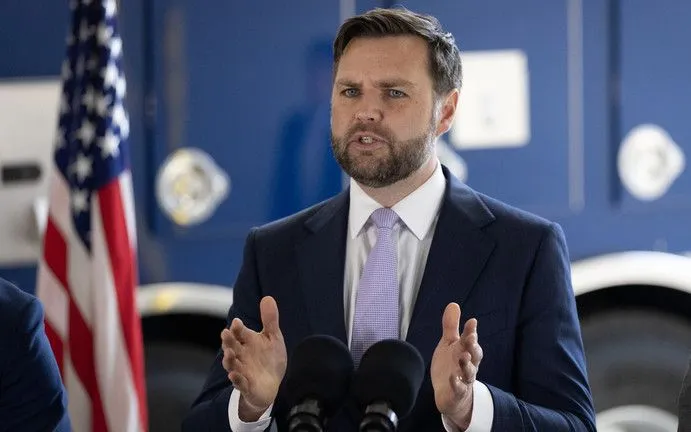
The symbolic weight of the moment is difficult to ignore. The Catholic Church, one of the largest religious institutions in the United States, rarely presents a detailed list of demands to a sitting president. For many observers, the image is striking: a centuries-old religious body invoking scripture and moral teaching to challenge modern enforcement policy at the very moment the president prepares to address the nation.
Supporters of TRUMP argue that firm enforcement restores order and protects American workers. Critics counter that indiscriminate raids and fear-based tactics corrode trust and violate fundamental rights. The bishops’ statement attempts to chart a middle path — affirming border security while insisting that compassion and justice remain central.
As TRUMP steps to the podium, the clash between political authority and moral advocacy will form a powerful undercurrent. The bishops have signaled that they will not “back down,” framing their stance not as partisan resistance but as a defense of human dignity rooted in faith tradition.
Whether the president addresses their concerns directly remains to be seen. But in a political era defined by sharp divisions and escalating rhetoric, the spectacle of Catholic clergy publicly confronting a sitting president over immigration policy marks a rare and consequential development — one that is already igniting fierce debate across faith communities, political circles, and social media feeds alike, as the internet erupts in reaction.