Leak of Venezuela Operation Details Exposes Strain Between White House and Pentagon
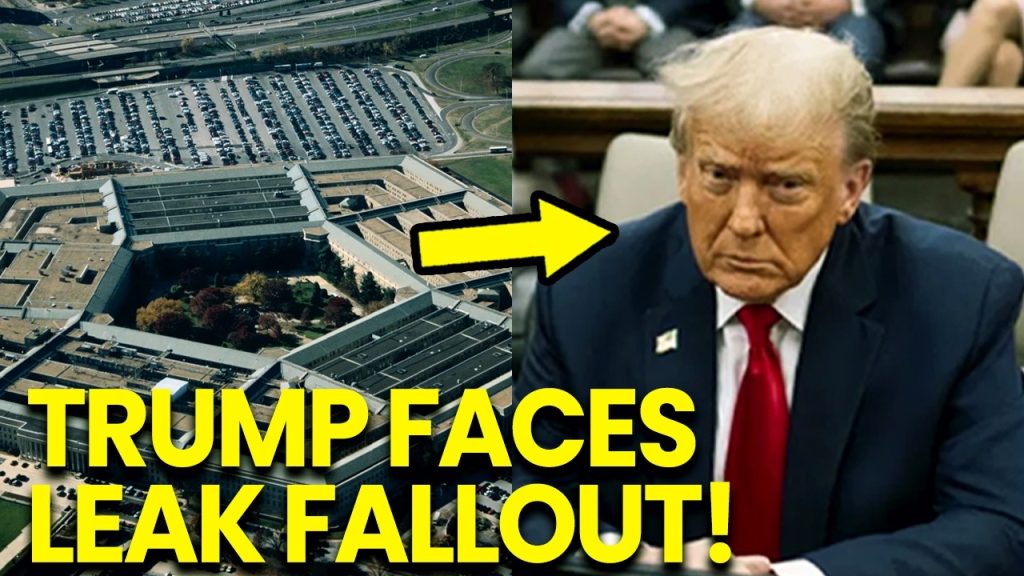
WASHINGTON — Reports that sensitive details of a U.S. military operation targeting Venezuela were disclosed to major news outlets have ignited a new confrontation between former President Donald J. Trump and elements of the national security establishment, raising urgent questions about executive authority, congressional oversight and the stability of civil-military relations.
According to accounts published this week, internal information concerning a January operation — described by officials as a coordinated effort to pressure the government of President Nicolás Maduro — was shared beyond classified channels. The disclosures included descriptions of troop deployments to the Caribbean, the use of specialized units and references to advanced capabilities employed during the mission.
Mr. Trump responded sharply on social media, condemning what he characterized as unauthorized leaks and calling for aggressive investigations into their source. In posts that quickly circulated among supporters and critics alike, he described the disclosures as damaging to national security and suggested those responsible should face severe consequences under military law.
Defense officials, speaking on condition of anonymity to discuss sensitive matters, confirmed that additional forces had been moved to the region in recent months as part of a broader strategy aimed at disrupting narcotics trafficking and constraining Venezuela’s oil exports. They declined to comment on operational specifics but acknowledged that internal reviews were underway regarding how details reached the press.

The episode has unfolded against a complex legal backdrop. Under the War Powers Resolution, presidents are required to notify Congress within a prescribed timeframe when U.S. forces are introduced into hostilities or situations where hostilities are imminent. Whether the January operation triggered formal reporting requirements remains a matter of legal interpretation, particularly given the administration’s framing of the mission as limited and strategic rather than a sustained campaign.
Several members of Congress from both parties have requested briefings to clarify what actions were authorized and when lawmakers were informed. While no formal accusation has been issued, some legislators have emphasized the importance of adhering to statutory oversight mechanisms designed to balance executive flexibility with legislative accountability.
The reported disclosures also introduced another layer of sensitivity: references to emerging defense technologies. Analysts caution that public discussion of specialized capabilities — whether accurate, exaggerated or incomplete — can complicate future operational planning. Even partial revelations may prompt adversaries to reassess defensive strategies or accelerate countermeasure development.
At the same time, former officials note that leaks often occur amid internal disagreement over policy direction. In recent years, tensions have surfaced between political appointees and career military leaders over strategy in Latin America, particularly regarding how aggressively to confront the Maduro government. Some officers have advocated calibrated economic pressure and diplomatic isolation; others have supported more assertive measures.
In this instance, reporting suggests that certain officials believed Congress and the public should be aware of the scope of actions taken. That belief — whether rooted in legal interpretation or policy dispute — underscores a delicate constitutional principle: military officers swear allegiance to the Constitution, not to any individual officeholder. The chain of command is clear, but so too are statutory constraints.
Mr. Trump has framed the situation differently. In public remarks, he has argued that operational secrecy is essential and that premature disclosure endangers personnel and undermines strategic advantage. He has also contended that leaks from within the national security apparatus represent a breach of trust that weakens American credibility abroad.
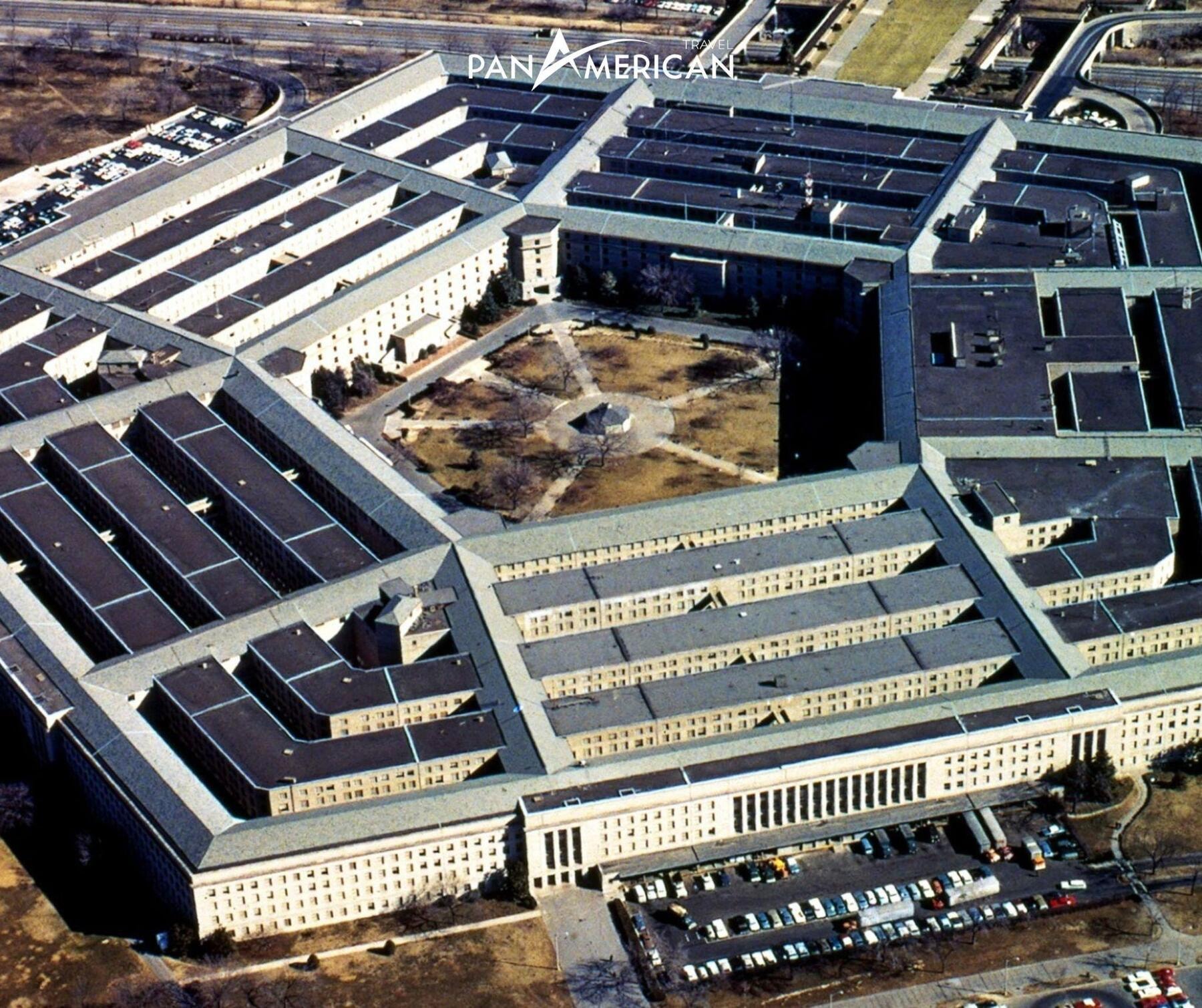
National security experts warn that prolonged friction between civilian leadership and uniformed commanders can have lasting institutional effects. Civilian control of the military remains a foundational element of American governance, yet that control depends on mutual confidence and adherence to established processes. When information flows outside formal channels, it signals strain within that relationship.
International reaction has been cautious but attentive. Venezuela’s government has denounced what it calls foreign interference, while regional partners are monitoring developments closely. Any perception of unilateral action in the hemisphere carries diplomatic implications, particularly among governments sensitive to sovereignty concerns.
Whether the disclosures will lead to disciplinary action remains unclear. The Defense Department has procedures for investigating potential breaches of classified information, and officials say those mechanisms are being followed. Historically, however, proving intent and tracing sources in complex bureaucracies can be challenging.
For now, the episode functions less as a definitive turning point than as a revealing moment — one that highlights competing imperatives: operational secrecy versus institutional oversight, executive decisiveness versus constitutional balance. It also illustrates how rapidly narratives can escalate once fragments of sensitive information enter the public sphere.
The long-term consequences will likely depend on two factors: the outcome of internal investigations and the degree to which Congress asserts its oversight role in the weeks ahead. What remains indisputable is that even limited disclosures about military planning can reverberate widely, shaping both domestic debate and international perception.
In Washington, where authority and accountability are perpetually negotiated, the events of this week serve as a reminder that governance is not only about decisions made, but about how those decisions are communicated — and who controls that communication. 🛡️