Testimony by Special Counsel Jack Smith Highlights Tensions Between Congress and the Justice Department
WASHINGTON — The recent deposition of Special Counsel Jack Smith before a House committee has reignited debate over congressional oversight, prosecutorial independence and the boundaries between politics and law enforcement in Washington.
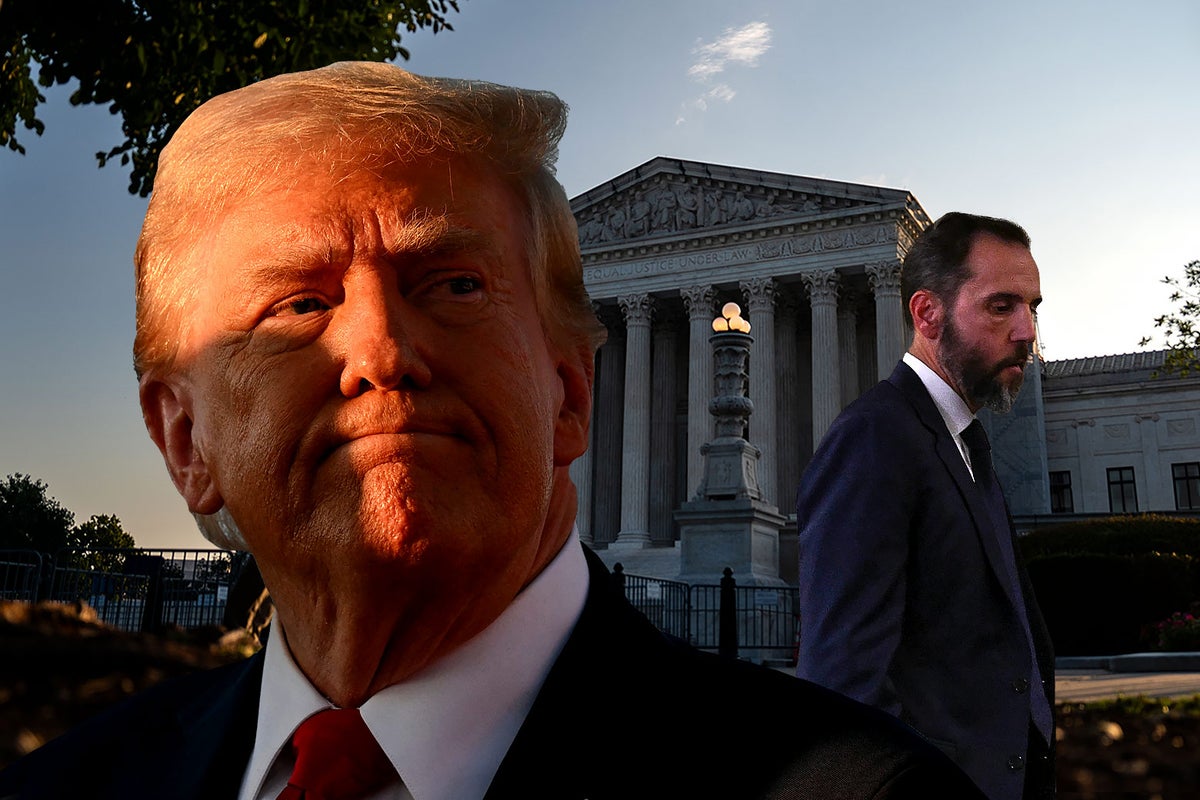
Mr. Smith, a veteran federal prosecutor appointed to oversee investigations involving former President Donald J. Trump, was subpoenaed by a Republican-led House committee seeking answers about his handling of high-profile cases. While such depositions are not uncommon, the circumstances surrounding this one — including its closed-door format and restrictions placed on what Mr. Smith could discuss — have drawn sharp scrutiny from legal observers.
According to individuals familiar with the proceedings, Mr. Smith requested that the deposition be held publicly, offering to testify at length before either chamber of Congress. That request was declined. Instead, the testimony was conducted privately and recorded on video, which was later released with little advance notice during the New Year holiday period.
Complicating matters further, the Justice Department sent guidance to Mr. Smith shortly before the deposition began, instructing him not to discuss any nonpublic information related to a portion of his final report that remains under seal by court order. That section concerns the classified documents case stemming from the former president’s handling of sensitive materials at Mar-a-Lago — a matter that was dismissed on procedural grounds before reaching trial.
Mr. Smith and his legal team raised concerns that the restrictions placed him in a difficult position: subpoenaed to testify, yet warned that he could face consequences if he inadvertently crossed unclear boundaries about what was permissible to say. His attorneys requested that the Justice Department provide clearer guidance or have a department lawyer present to object to prohibited questions in real time. That request was denied.
Despite these constraints, Mr. Smith proceeded with the deposition, answering questions carefully and repeatedly emphasizing that his actions as special counsel followed long-standing Justice Department policies. He stated that charges were brought only where prosecutors believed the evidence met the standard of proof beyond a reasonable doubt, a foundational principle of federal criminal prosecution.
Legal analysts who later reviewed the testimony described Mr. Smith’s demeanor as measured and methodical, noting that he avoided speculation and confined his answers to established facts and procedure. Several said the episode illustrates broader tensions between Congress’s oversight authority and the Justice Department’s obligation to protect the integrity of ongoing or sealed matters.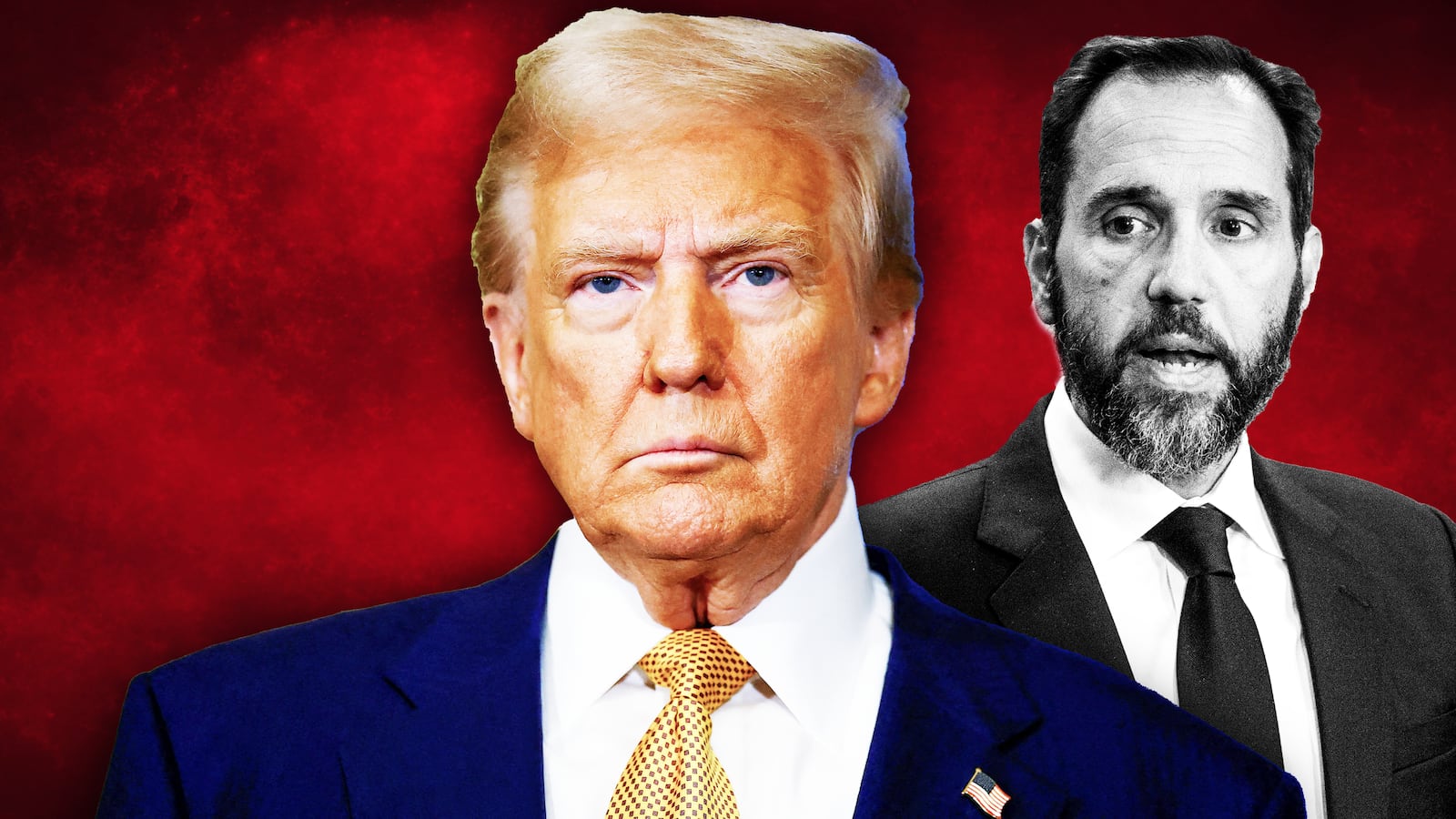
“This was a case study in how fragile that balance can be,” said one former federal prosecutor. “Congress has a legitimate oversight role, but prosecutors also have ethical and legal duties that don’t disappear under subpoena.”
The deposition has also renewed attention on the continuing secrecy surrounding portions of the special counsel’s report, which remains partially under court seal more than a year after an initial order restricting its release. Critics argue that prolonged nondisclosure undermines public understanding of consequential investigations, while others caution that premature disclosure could compromise legal norms.
For now, Mr. Smith’s testimony stands as a rare public record of a special counsel navigating intense political pressure while adhering to institutional constraints. As debates over accountability, transparency and the rule of law continue into an election year, the episode underscores how legal processes themselves can become flashpoints in an increasingly polarized political environment.