Iran-Backed Militias Launch Drone Attack on U.S. Troops Hotel in Erbil as Regional Conflict Widens
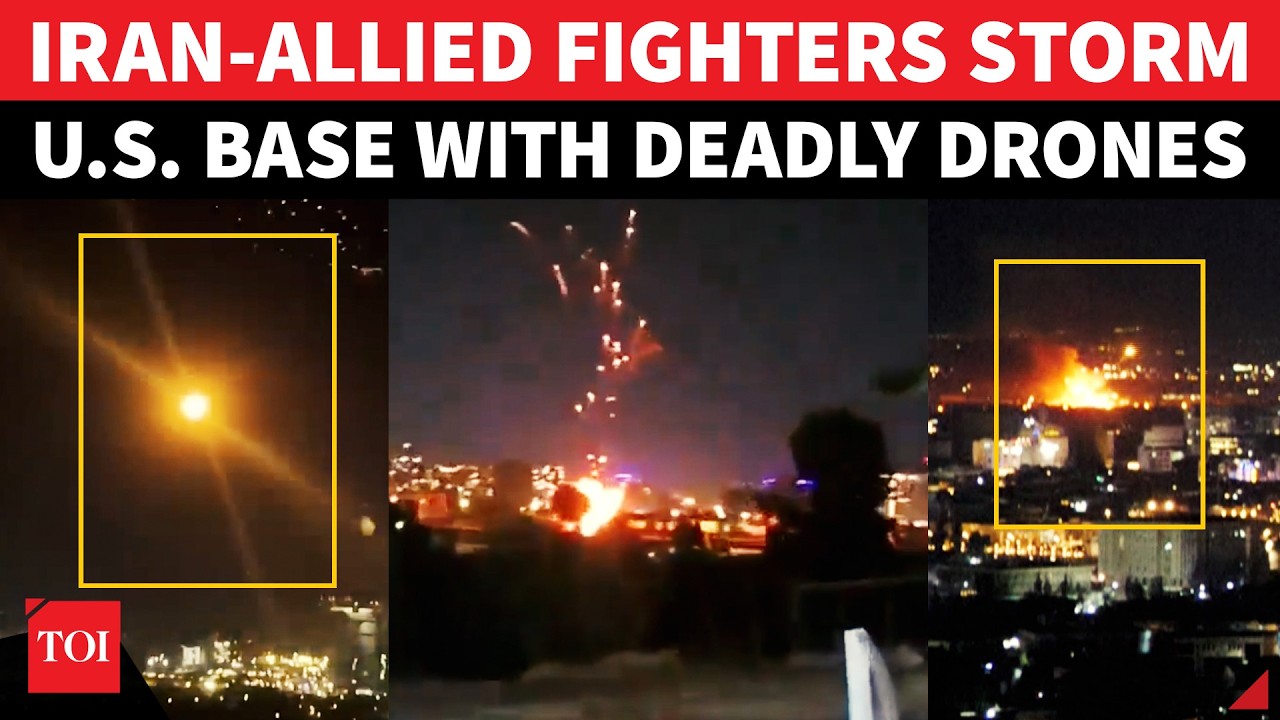
BAGHDAD — Iran-aligned militias in Iraq claimed responsibility for a drone strike on a hotel in Erbil housing American personnel, setting the building ablaze and intensifying fears of broader escalation in the Middle East. The attack, reported early Tuesday, targeted facilities linked to U.S. forces at Erbil International Airport and nearby sites, according to statements from the Islamic Resistance in Iraq and footage circulated on Telegram by Iraqi media.
The Islamic Resistance — an umbrella group of Iran-backed factions — said it launched 23 drones toward the U.S. consulate and airport in Erbil, describing the operation as retaliation for ongoing U.S.-Israeli strikes on Iran. Al Jazeera and Reuters confirmed smoke rising from the targeted hotel, with emergency responders battling flames. No immediate casualty figures were released, but the strike underscored the vulnerability of American positions in northern Iraq.

The incident unfolded against the backdrop of sustained U.S. and Israeli airstrikes on Iranian military and leadership targets, now entering their fourth day. President Donald Trump, in a Mar-a-Lago address, reiterated the campaign’s goals: destroying Iran’s missile production, annihilating its navy (claiming 10 ships sunk), preventing nuclear weapon development, and severing support for proxy groups like Hezbollah. He mourned four U.S. service members killed in action, vowing to press forward “with ferocious, unyielding resolve” despite projected weeks of fighting and additional losses.
Iran and its allies have responded aggressively. Tehran launched ballistic missiles and drones at Israeli military sites and U.S. bases across the Gulf, with intercepts reported over Qatar, Bahrain, Kuwait and the UAE. Hezbollah fired rockets into northern Israel, while debris from intercepted projectiles disrupted civilian life, including airport operations. At least six American military personnel have died since the campaign began, one of the deadliest openings to a major confrontation in recent years.
The State Department issued an urgent evacuation advisory for U.S. citizens across 14 countries and territories: Bahrain, Egypt, Iran, Iraq, Israel, Jordan, Kuwait, Lebanon, Oman, Qatar, Saudi Arabia, Syria, the United Arab Emirates and Yemen. Assistant Secretary for Consular Affairs Mora Namdar urged immediate departure via commercial means, citing “serious safety risks.” The advisory follows shelter-in-place orders in Riyadh, Jeddah and Dammam after a suspected Iranian drone struck the U.S. Embassy compound in Riyadh, igniting a minor fire but triggering heightened security protocols.
A Saudi official accused the U.S. of prioritizing Israel’s defense by redirecting air-defense systems, leaving Gulf allies exposed. The claim reflects growing frustration among hosts of major U.S. bases — including Al Udeid in Qatar and the Fifth Fleet headquarters in Bahrain — as Iranian retaliation threatens regional stability and energy infrastructure.
Iran’s leadership framed its response as lawful self-defense under Article 51 of the UN Charter, targeting only military objectives. A senior security official warned that American facilities would remain vulnerable as long as they operate under U.S. control. At the United Nations, Iran’s ambassador condemned the strikes as aggression without legal basis, accusing Washington of hypocrisy for addressing child protection in conflict while “bombing schools and killing children.”
The conflict has strained diplomatic channels and commercial travel. Airspace closures, flight cancellations and internet disruptions have compounded the chaos, with millions of civilians caught in the crossfire. Trump projected the operation could extend well beyond initial estimates, insisting the U.S. military would “easily prevail” regardless of duration or cost.
As militia attacks spread and evacuations accelerate, the Middle East stands on the brink of wider war. Whether the strikes achieve their stated aims or ignite a prolonged regional crisis remains uncertain, but the human and strategic toll is mounting rapidly.