U.S. Deploys F-22 Raptors to Israel Amid Escalating Iran Tensions and Nuclear Talks
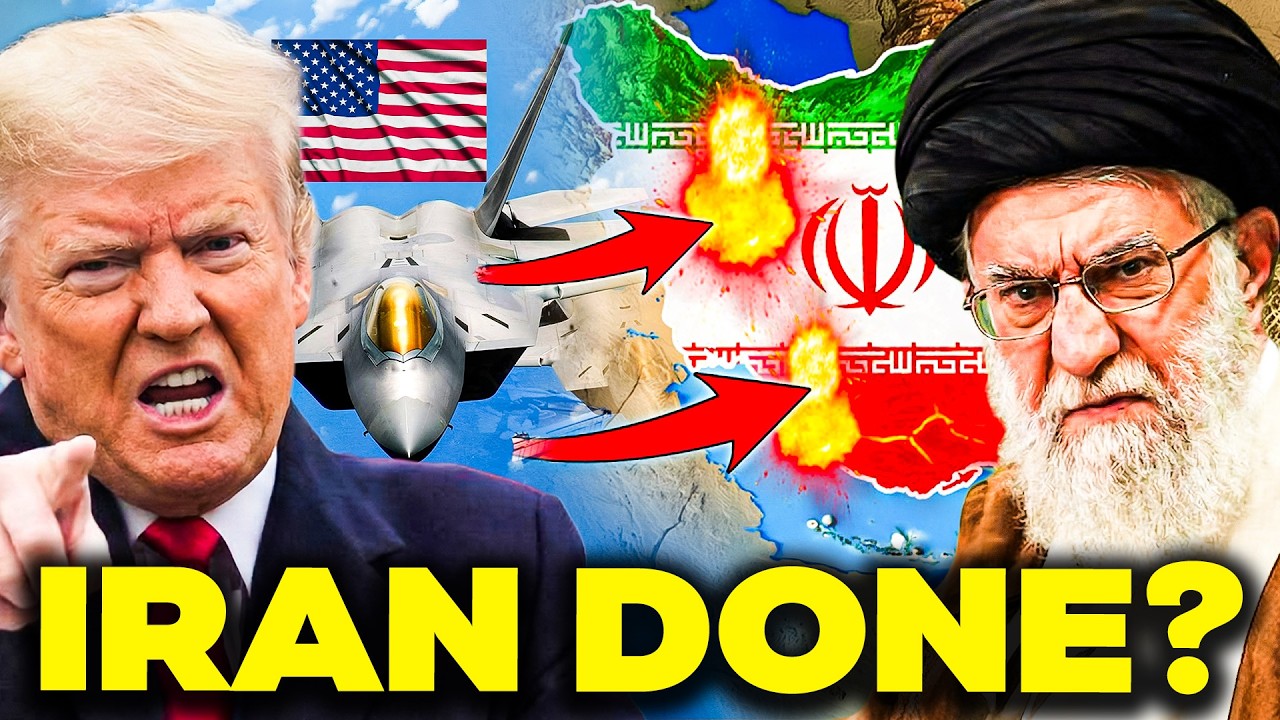
WASHINGTON — The United States has positioned a squadron of F-22 Raptor stealth fighters at an Israeli air base in the southern Negev Desert, a rare forward deployment that underscores mounting pressure on Iran over its nuclear program as indirect talks continue in Geneva.
Flight tracking data and satellite imagery confirmed the arrival of at least 11 F-22s at Ovda Air Base on February 24, 2026, after departing RAF Lakenheath in the United Kingdom under aerial refueling escort. One aircraft returned due to a technical issue, but additional Raptors from Langley Air Force Base have since joined, bringing the total to at least 17, with reports suggesting up to 24 could arrive soon. The move represents the first operational deployment of U.S. combat aircraft to Israeli soil and places more than 12 percent of America’s F-22 fleet in striking range of Tehran.
Defense Secretary Pete Hegseth described the deployment as sending a clear message. “It’s a great asset and it sends a message to everybody,” he told reporters, reiterating President Trump’s stance that Iran must not develop nuclear weapons. Trump has set a tight timeline for negotiations, warning of “really bad things” if no deal emerges soon.
The F-22s, renowned for their stealth, supercruise and advanced sensors, are designed to establish air superiority and suppress enemy defenses. Upgrades unveiled in 2026 include stealthy external fuel tanks for extended range and AI-enhanced targeting systems, allowing sustained operations over contested airspace without compromising low observability. Iran’s air defenses, reliant on Russian S-300 systems, proved ineffective against stealth platforms during the June 2025 Operation Midnight Hammer, when U.S. and Israeli forces struck nuclear sites at Fordow, Natanz and Isfahan without significant resistance.

The broader U.S. buildup includes at least six B-2 Spirit bombers at Diego Garcia armed with GBU-57 Massive Ordnance Penetrators for deep underground targets, F-35 Lightning IIs at regional bases, E-3 Sentry AWACS for command and control, and additional tanker and strike aircraft. More than 150 U.S. aircraft have surged to Europe and the Middle East since nuclear talks stalled in mid-February, the largest such concentration since the 2003 Iraq invasion.
Iran’s aging fleet — including pre-1979 F-4 Phantoms and MiG-29s — offers little counter to fifth-generation fighters. A 2013 incident, in which an F-22 flew undetected beneath Iranian F-4s escorting a U.S. drone before radioing them to retreat, highlighted the technological gap that has only widened.
The deployment coincides with the third round of U.S.-Iran nuclear negotiations in Geneva, mediated by Oman. Both sides reported “significant progress” after hours of talks on February 26, agreeing to technical discussions in Vienna next week. U.S. officials demand dismantling of key facilities, transfer of enriched uranium and a permanent deal without sunset clauses, while Iran seeks full sanctions relief and rejects zero-enrichment proposals.
Trump has emphasized diplomacy but warned Iran faces severe consequences for non-compliance. “Iran will not develop nuclear weapons, period,” he stated, adding that military options remain available. Israeli officials have aligned with U.S. objectives, viewing the buildup as preparation for potential joint action if talks fail.
Iranian officials condemned the deployment as provocative, vowing to defend sovereignty while expressing openness to a deal that respects their rights. Regional allies, including Gulf states hosting U.S. forces, remain on high alert amid fears of escalation.
As the 10-day deadline Trump imposed approaches, the F-22s on Israeli runways signal readiness for rapid response. Whether the presence deters or precipitates conflict remains uncertain, but the positioning leaves Tehran on edge as negotiations enter a critical phase.