🚨 JUST IN: MARK CARNEY ACCEPTS RARE CHINA INVITE — a quiet diplomatic signal, unexpected timing, and a move that’s catching Washington off guard ⚡
OTTAWA — When Mark Carney travels to Beijing next week on a full state visit at the personal invitation of Xi Jinping, the symbolism will be unmistakable. Canada’s relationship with China, frozen for years by diplomatic retaliation, trade disputes and mutual distrust, is entering a new and uncertain phase — one shaped less by idealism than by geopolitical necessity.
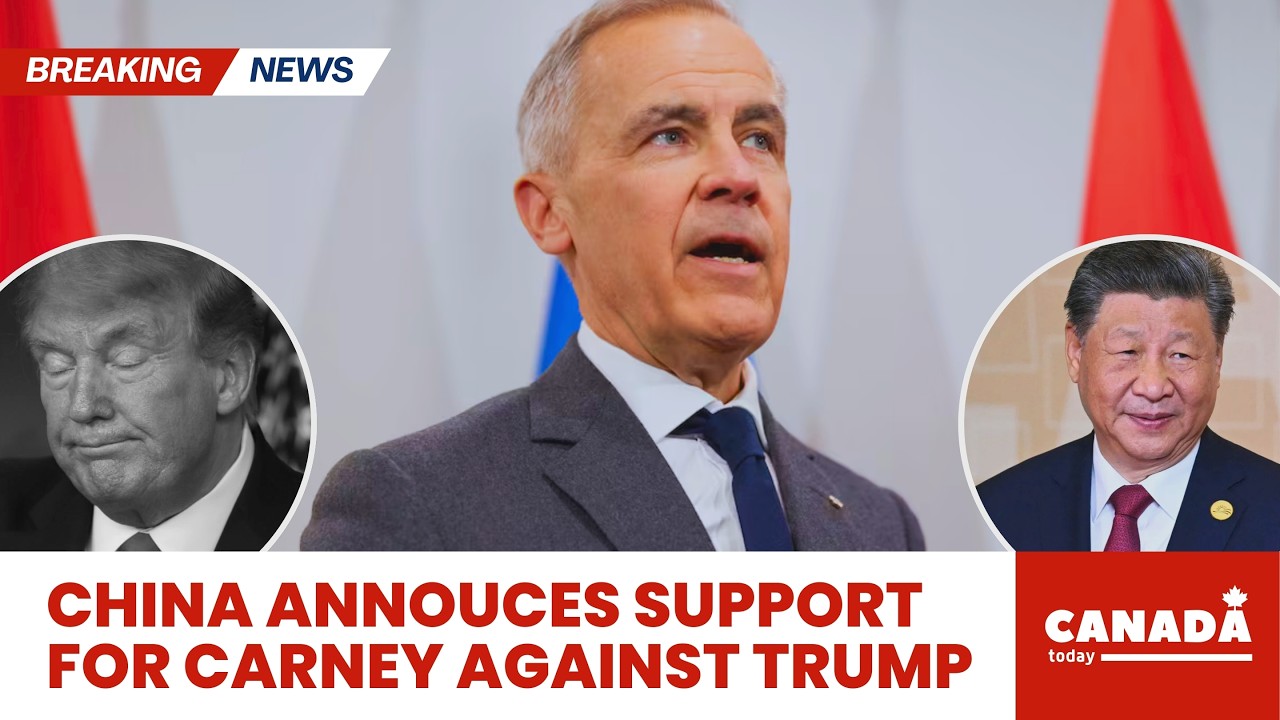
State visits are not extended lightly, particularly by Beijing. That this invitation comes now reflects a broader recalculation on both sides. For Canada, the visit follows a high-profile European tour in which Mr. Carney reaffirmed Ottawa’s commitments to the European Union and NATO, reassuring allies at a moment of growing global anxiety. For China, it offers an opportunity to re-engage a Western partner that is neither severing ties nor escalating rhetoric.
Behind the timing lies a shared recognition that the assumptions governing international politics have shifted — largely because of the actions of Donald Trump. Recent U.S. military operations in Venezuela, including the capture of its president, and renewed rhetoric about territorial expansion have unsettled allies who once believed that American threats rarely translated into action. That belief, many now concede, no longer holds.
Mr. Carney’s response has been methodical. Rather than pivoting away from traditional partners or choosing between Washington, Brussels and Beijing, he has pursued what advisers describe as a strategy of “option-building.” In Europe, Canada reinforced legitimacy through alliances. In Asia, it is reopening channels long considered politically radioactive.
This is not a reset with China, Canadian officials emphasize, but a reassessment. Trust has not been restored, and irritants remain substantial. Canada’s decision last year to impose a 100 percent tariff on Chinese-made electric vehicles — alongside duties on Chinese steel and aluminum — was taken largely to align with U.S. policy under President Joe Biden and to protect North American auto manufacturing. That context has changed.

Under Mr. Trump, Washington has imposed tariffs on Canadian automobiles and parts, directly affecting Canada’s manufacturing base and supply chains. Ottawa, officials argue privately, is no longer obligated to absorb economic damage in the name of alignment. Beijing, for its part, has retaliated against Canadian agricultural exports, including canola, a politically sensitive sector.
Those disputes are expected to feature prominently in Mr. Carney’s meetings with Chinese leaders. Any easing of Canadian EV tariffs, matched by reductions in Chinese retaliation, could deliver immediate benefits: relief for farmers, alternative pathways for automakers and renewed bargaining power for Ottawa. It would also underscore a broader reality — that dependence on a single dominant trading partner leaves countries vulnerable to pressure.
China is already Canada’s second-largest trading partner after the United States, with merchandise trade exceeding $118 billion last year. Energy looms large in Beijing’s interest. As instability disrupts oil markets elsewhere, Canadian supply — regulated, predictable and politically stable — has become more attractive. Discussions in Ottawa and Alberta about expanding pipeline capacity to the West Coast have taken on new urgency, opening the possibility of increased exports to Asia.

Reliability, analysts note, has become a form of leverage. In a world destabilized by sudden military action and trade shocks, countries that can guarantee steady supply gain influence. Mr. Carney has made that argument repeatedly, framing Canada not as a disruptor but as an anchor of predictability.
For Beijing, the appeal is equally pragmatic. Canada offers a chance to engage a Western economy without the ideological confrontation that has defined relations with Washington. For Ottawa, the visit provides maneuvering space after years of being boxed in by U.S.-China tensions — a legacy of the 2018 arrest of a Chinese telecommunications executive at American request and China’s subsequent detention of two Canadian citizens, an episode that poisoned relations for years.
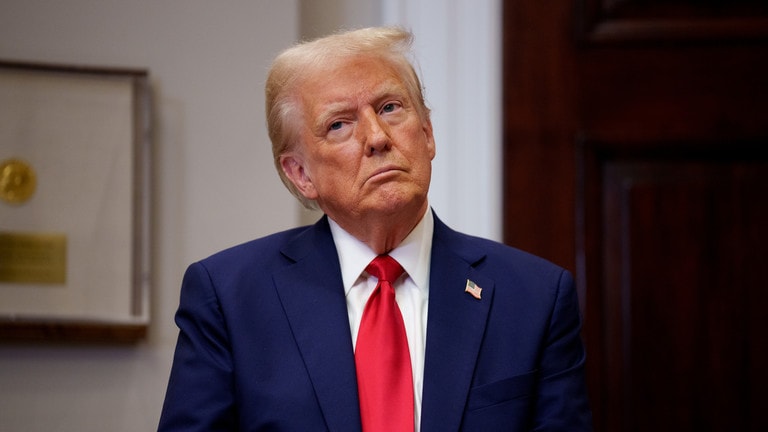
Critics warn that engagement risks legitimizing Beijing’s behavior or underestimating security concerns. Government officials counter that disengagement carries its own costs. “A country with one pathway can be threatened,” one senior official said. “A country with many cannot.”
Taken together, Mr. Carney’s European and Chinese diplomacy reveals a coherent strategy: reinforce alliances, diversify economic ties and make coercion less effective. It is not defiance for headlines, aides insist, but insurance against volatility.
As annexation threats become casual and tariffs a weapon of first resort, middle powers like Canada are adapting quickly. Mr. Carney’s Beijing visit will not resolve years of mistrust, but it signals something important: Canada intends to navigate an increasingly unstable world with options — and without waiting for others to set the terms.