Under Scrutiny, DHS Secretary Kristi Noem Struggles to Contain Fallout From Minnesota Shooting
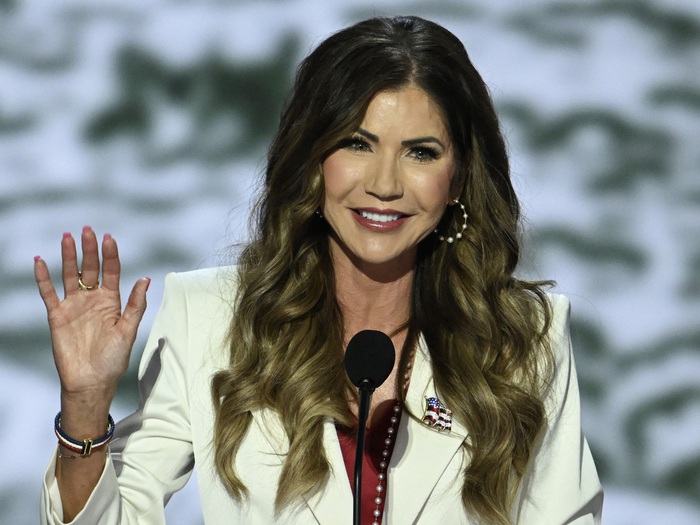
Washington — When Kristi Noem appeared on Fox News this week, the setting could hardly have been more familiar or friendly. Yet even there, the secretary of the Department of Homeland Security seemed unsteady as she tried to explain — and, critics say, reframe — the administration’s response to the fatal shooting of Alex Prey during a federal law-enforcement operation in Minnesota.
The exchange underscored how the episode has evolved from a local tragedy into a broader political and institutional crisis for Department of Homeland Security, raising questions about the department’s public credibility, its handling of investigations involving use of force, and the risks of rapid, definitive public statements before facts are fully established.
A Crisis of Confidence
The controversy centers on statements made by Noem shortly after the shooting, when she described Prey as a “domestic terrorist,” a characterization that later became the focus of intense criticism from civil-liberties advocates, gun-rights supporters, and lawmakers across the political spectrum. Video footage, eyewitness accounts, and subsequent reporting have cast doubt on that initial framing, leading the department to emphasize that an internal investigation is ongoing.
During her Fox News appearance, Noem was pressed — gently, by television standards — on whether she still stood by the “domestic terrorist” label. Her answer was cautious and noncommittal: the investigation was continuing, she said, and the department would “deliver information as we go forward.”
For critics, that hesitation came too late.
“Why wasn’t that the message an hour after the shooting?” asked one former DHS official, who spoke on condition of anonymity to discuss internal dynamics. “When you’re the head of a department with armed agents, words matter — and timing matters even more.”
Pressure From Unexpected Quarters
What has surprised some observers is the breadth of the backlash. While progressive activists and Democrats condemned the initial statements almost immediately, segments of the conservative base — particularly Second Amendment advocates — also voiced anger. They objected to comments suggesting that the presence of a firearm automatically escalated the situation, arguing that such reasoning undermines long-standing defenses of lawful gun ownership.
On Fox News, a host raised that concern directly, noting that many gun owners felt the remarks cut against core conservative principles. Noem responded by emphasizing the illegality of interfering with federal law-enforcement operations, but she did not address whether carrying a firearm alone justified the use of deadly force.
Legal experts say the distinction is crucial.
“Even if someone is interfering with an investigation, that does not by itself justify lethal force,” said a former federal prosecutor. “Those determinations are highly fact-specific and must be evaluated after a full investigation.”

Leadership Shake-Ups
The political damage has coincided with visible changes inside the administration. Following criticism of DHS operations in Minnesota, Tom Homan was sent to oversee enforcement strategy there, replacing senior officials who had been involved in the initial response. Noem herself has reportedly been shifted away from day-to-day oversight of interior enforcement, focusing instead on border-related matters — a move the White House has not formally described as a demotion but that allies privately acknowledge is intended to lower the temperature.
The reassignments have fueled speculation about tensions within the administration, particularly between DHS leadership and senior White House advisers, including Stephen Miller, who has long advocated aggressive immigration enforcement and public messaging that emphasizes deterrence.
The Risks of Rapid Narratives
Historians and political analysts have drawn comparisons between the current moment and past government crises in which early official narratives collapsed under scrutiny. While few equate the scale of the controversy with Watergate, the underlying lesson is familiar: premature certainty can undermine trust.
“There’s a temptation in modern media cycles to fill the vacuum immediately,” said a political historian at Georgetown University. “But when those first statements turn out to be inaccurate or overstated, they can do lasting damage — not just to individuals, but to institutions.”
That concern has been amplified by images circulating on social media from protests in other cities, including Portland, where demonstrators — some carrying signs with messages of peace — were met with tear gas during clashes with federal agents. Civil-rights groups argue that the administration’s rhetoric, labeling protesters as “violent” or “monsters,” risks justifying overly broad use of force.
DHS officials counter that federal officers are facing coordinated, sometimes well-funded opposition and that their priority is protecting personnel and federal facilities. But even some sympathetic analysts say the department’s language has been unnecessarily inflammatory.
Political Stakes for the White House
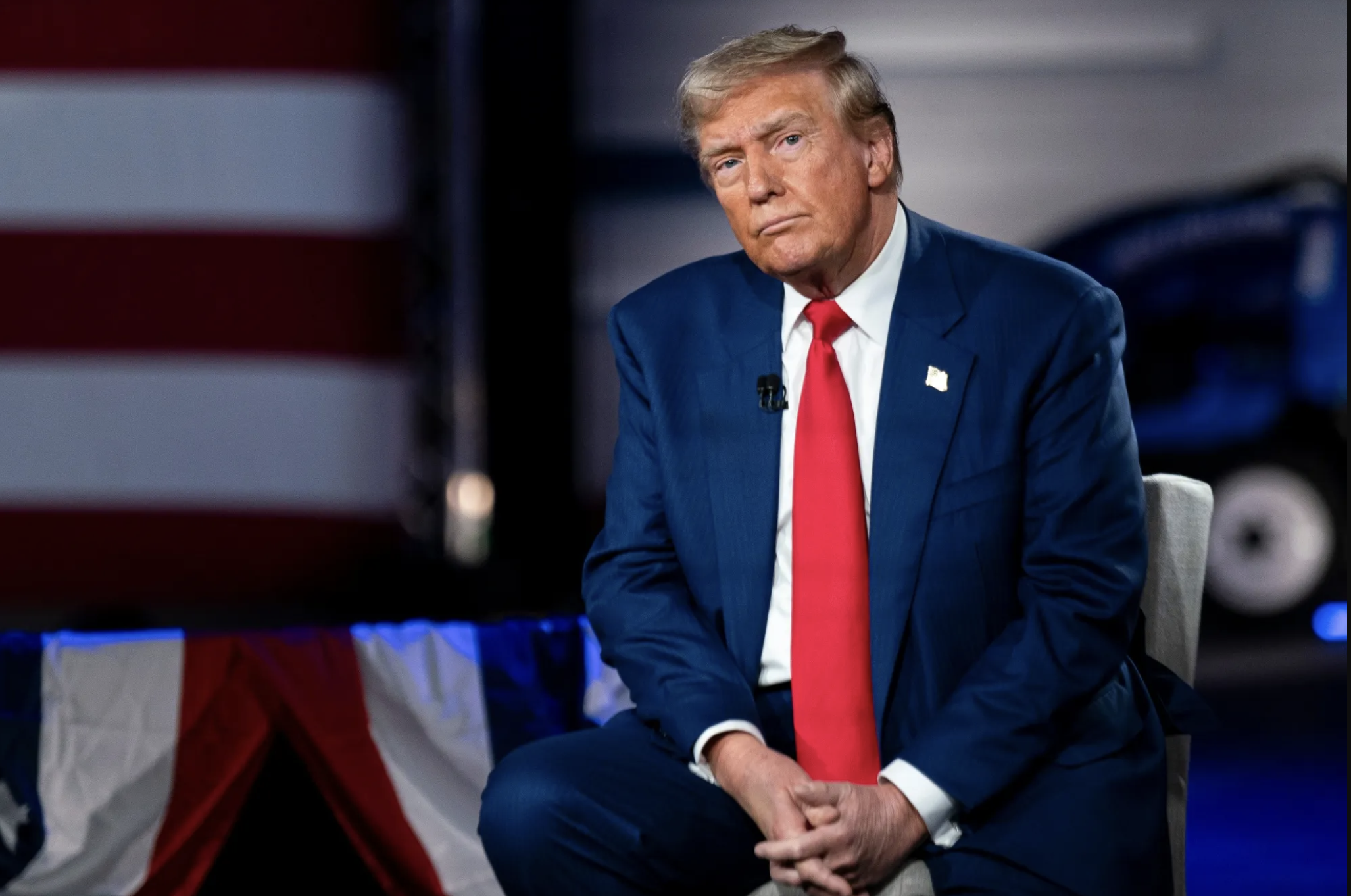
For Donald Trump, the episode adds to a growing list of flashpoints involving federal law enforcement during his second term. Allies argue that the president acted decisively by adjusting leadership and ordering a review of tactics. Critics say the changes amount to damage control rather than accountability.
Polling suggests that public confidence in DHS and immigration enforcement agencies has declined in recent months, particularly among independents. Whether the Minnesota investigation restores trust — or deepens skepticism — may depend on its transparency and on whether officials refrain from definitive public judgments until conclusions are reached.
Waiting for the Findings
As of this week, DHS has not released a timeline for completing its review of the Minnesota incident, nor has it clarified whether any disciplinary action is being considered. Noem has said the department will “do better” and provide facts as they emerge.
For the family of Alex Prey, and for communities watching closely, those assurances remain abstract.
“This isn’t about politics,” said a civil-rights attorney representing protesters in the region. “It’s about whether the most powerful law-enforcement agency in the country can admit when it spoke too soon — and whether it can be trusted to investigate itself fairly.”
In Washington, where crises often come and go with the news cycle, the fallout from Minnesota shows little sign of fading. For DHS and its secretary, the challenge now is not simply managing the message, but rebuilding credibility in an environment where even friendly audiences are starting to ask uncomfortable questions.