Republicans, Democrats Clash Over Clinton Depositions and Trump References in Epstein-Linked Inquiry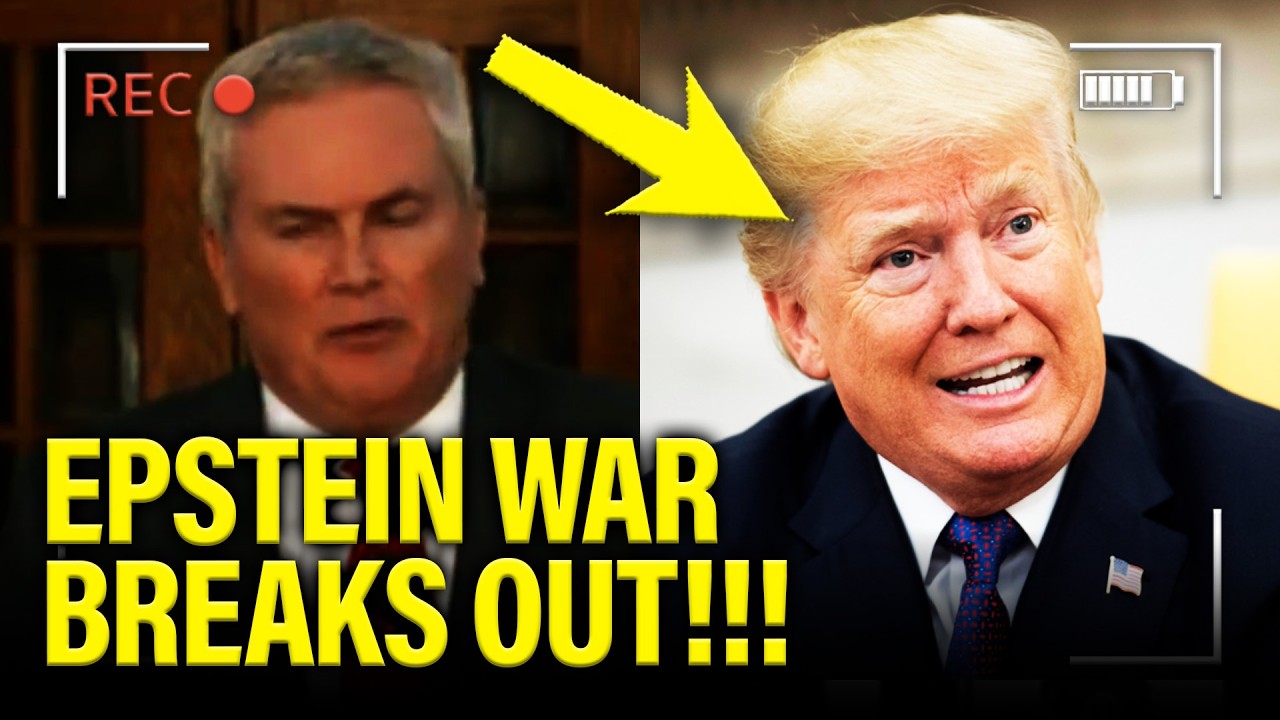
WASHINGTON — Lawmakers sparred this week over the closed-door depositions of former President Bill Clinton and former Secretary of State Hillary Clinton, as partisan tensions intensified around the broader congressional inquiry into matters connected to Jeffrey Epstein.
Republican members of the House Oversight Committee, led by Chairman James Comer, described the depositions as productive and suggested that released transcripts and video would provide clarity. Some GOP lawmakers argued that testimony did not implicate former President Donald Trump in wrongdoing related to Epstein.
Democratic members, however, criticized the decision to conduct the depositions in private, arguing that transparency would reduce the risk of selective interpretation. They called for full and prompt public release of transcripts and video recordings, saying that partial summaries or press conferences could shape public perception before the public has access to the complete record.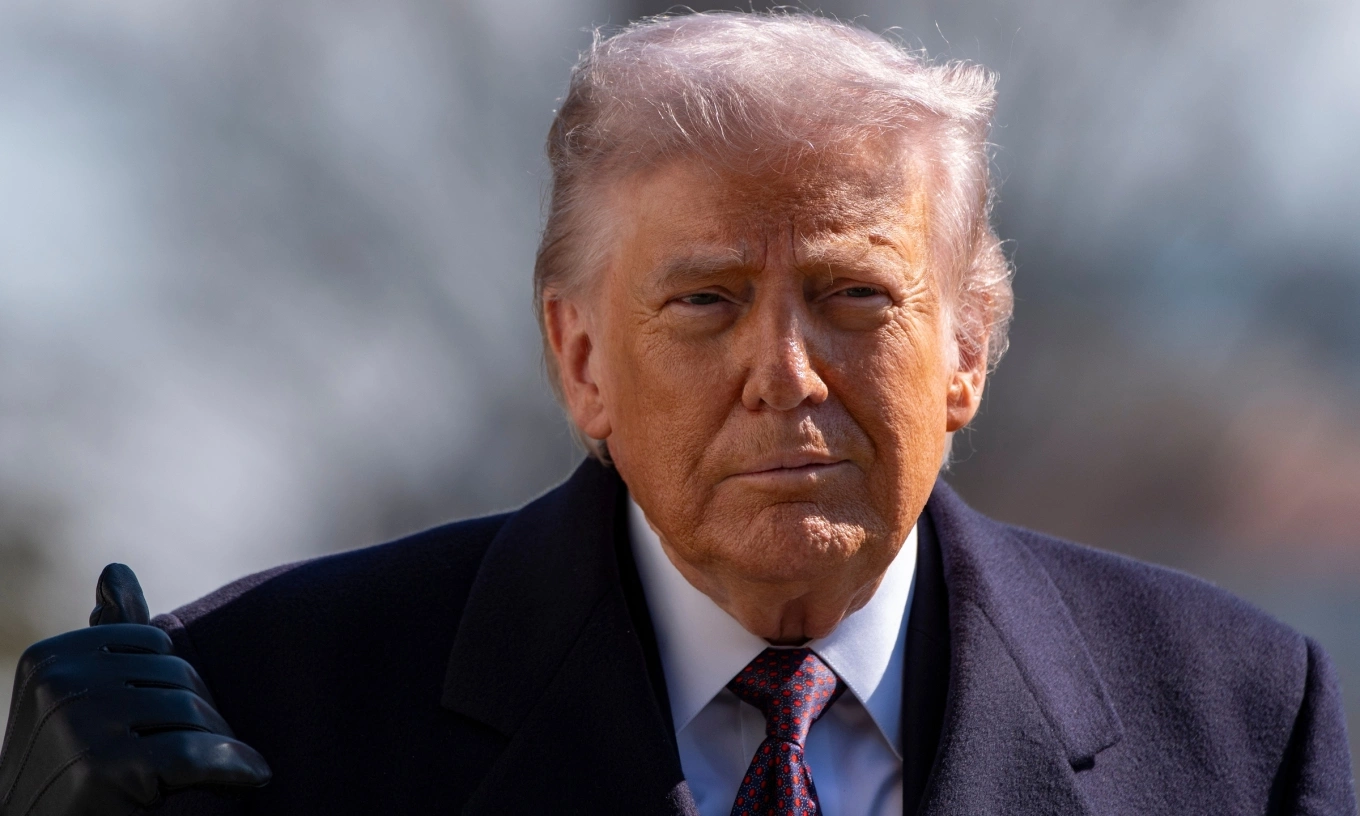
During a press conference following the deposition, reporters pressed Republican lawmakers about whether alleged victims had explicitly “exonerated” Trump. Rep. Nancy Mace stated that she had not heard allegations directly implicating the former president. Other members emphasized that, based on the evidence they had reviewed, they had not seen proof of criminal involvement by Trump.
Democrats countered that publicly available flight logs and prior reporting show that both Trump and Clinton had, at different times, associated socially with Epstein in the 1990s and early 2000s. They argued that the committee should apply a consistent standard when determining which witnesses to call and what records to seek. Republicans responded that witness selection should be guided by documented evidence and investigative priorities.
Separately, Rep. Anna Paulina Luna suggested during remarks that Epstein may have operated as part of a broader intelligence-linked scheme — a claim that has circulated in various political circles but has not been formally established by official findings. She urged the public to review deposition materials once released.
The dispute reflects broader partisan divides over transparency, accountability, and the handling of sensitive investigative records. The Justice Department has previously released documents related to Epstein’s criminal cases and the prosecution of Ghislaine Maxwell, while additional materials remain sealed or redacted for legal and privacy reasons.
As lawmakers debate next steps — including whether additional high-profile figures should testify — the central issue remains whether the full evidentiary record will be made available and how it will be interpreted. With public trust and political stakes high, both parties appear poised to continue framing the inquiry in sharply contrasting ways as more information becomes public.