A Quiet Border, and a Louder Message: Canada’s Travel Boycott Reshapes U.S. Tourism
The summer travel season was once a reliable ritual along the world’s longest undefended border. Cars with Ontario and Quebec plates streamed south toward Florida beaches. Snowbirds filled Arizona resorts. Flights between Toronto and American hubs departed at near-capacity.
This year, the mood is different. The traffic is lighter. The flights are fewer. And the message from many Canadian travelers is unmistakable: they are staying away.
In recent weeks, carriers including Air Transat, Air Canada and WestJet have announced deep cuts to U.S. routes. Air Transat said it would suspend the remainder of its American flights for the summer season. WestJet confirmed it would not serve 10 U.S. cities this summer because of declining demand. Airlines describe the moves not as seasonal adjustments but as strategic responses to sustained weakness in bookings.
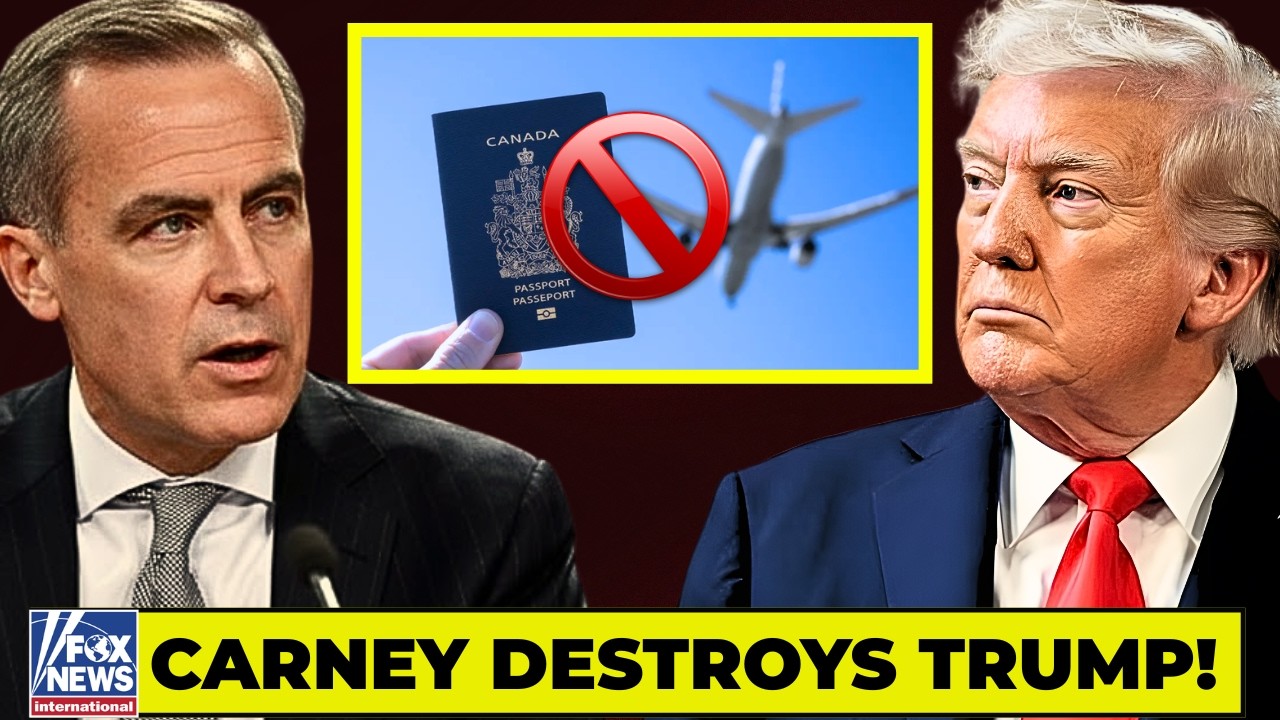
The numbers tell a stark story. Canadian visits to the United States fell 26.8 percent in January 2026 compared with the same month a year earlier — the 12th consecutive month of decline. Land crossings by vehicle dropped 30 percent year over year, while air travel fell 24 percent. Analysts estimate the downturn has cost the American tourism industry roughly $4.5 billion in losses through 2025, with billions more projected in 2026.
The decline did not emerge in isolation. It followed the decision by President Donald Trump in February 2025 to impose 25 percent tariffs on Canadian goods and to repeatedly suggest that Canada could become the “51st state.” The rhetoric, combined with a widening trade dispute, appears to have reshaped Canadian consumer behavior in ways few policymakers anticipated.
Polling by the Angus Reid Institute found that 91 percent of Canadians want their country to rely less on the United States. Ninety percent said they were closely following the trade conflict — the highest level of engagement with a news story since the early months of the Covid-19 pandemic. Analysts described the attitudinal shift as unprecedented in the modern era of North American integration.
Political leaders amplified the message. Former Prime Minister Justin Trudeau urged Canadians to choose domestic products and services whenever possible. Foreign Minister Mélanie Joly suggested on national television that citizens reconsider or cancel travel to the United States. Provincial governments launched campaigns to promote domestic tourism and identify Canadian-made goods.
For American destinations dependent on Canadian visitors, the consequences have been immediate. Canadians traditionally account for roughly 28 percent of all international tourists to the United States. The U.S. Travel Association forecasts a 3.2 percent decline in international tourism spending in 2025, a loss of $5.7 billion compared with the previous year, attributing much of the drop to fewer Canadian arrivals.
In Florida — long the preferred winter refuge for Canadian retirees — visits fell 15 percent in the third quarter of 2025, with steeper declines into 2026. Las Vegas has reported a 50 percent drop in Canadian tourists, prompting citywide discount campaigns. In upstate New York’s Adirondack region, tourism officials estimate losses in the tens of millions of dollars. Along the border, duty-free shops have reported sales declines of 40 to 50 percent, with some owners cutting staff to skeletal crews.
The shift is not merely about politics; it is also about redirected demand. Flights from Canada to Mexico have surged nearly 16 percent year over year. The Toronto–Cancun route is now Mexico’s busiest international corridor, surpassing long-dominant links to American cities. Polling by YouGov for Flight Centre Canada found that 62 percent of Canadians are less likely to visit the United States in 2026.
New U.S. border measures have added to traveler unease. Two-thirds of Canadians surveyed by Angus Reid said fingerprinting requirements felt invasive. Proposed rules requiring visa applicants to submit up to five years of social media history could deter additional visitors, with the World Travel & Tourism Council warning of billions in potential lost spending.
American officials have acknowledged the downturn, though sometimes with resignation. The U.S. ambassador to Canada said last year that Canadians staying home was their choice. Yet the economic stakes are significant. Tourism-dependent states had hoped that the 2026 FIFA World Cup and celebrations marking the nation’s 250th anniversary would reverse the slide. Instead, some Canadian fans are expected to attend matches in Toronto and Vancouver rather than cross the border.
Economists now debate whether the boycott represents a temporary reaction or a structural shift. Travel habits, once broken, can take years to rebuild. The integration of the North American travel market was forged over decades of open highways, reciprocal goodwill and shared leisure patterns. Reversing that integration may prove easier than restoring it.
For now, the quieter border stands as both economic signal and political statement — a reminder that even in an era of global mobility, proximity is no guarantee of loyalty.