Trump, the Epstein Files, and the Documents That Vanished
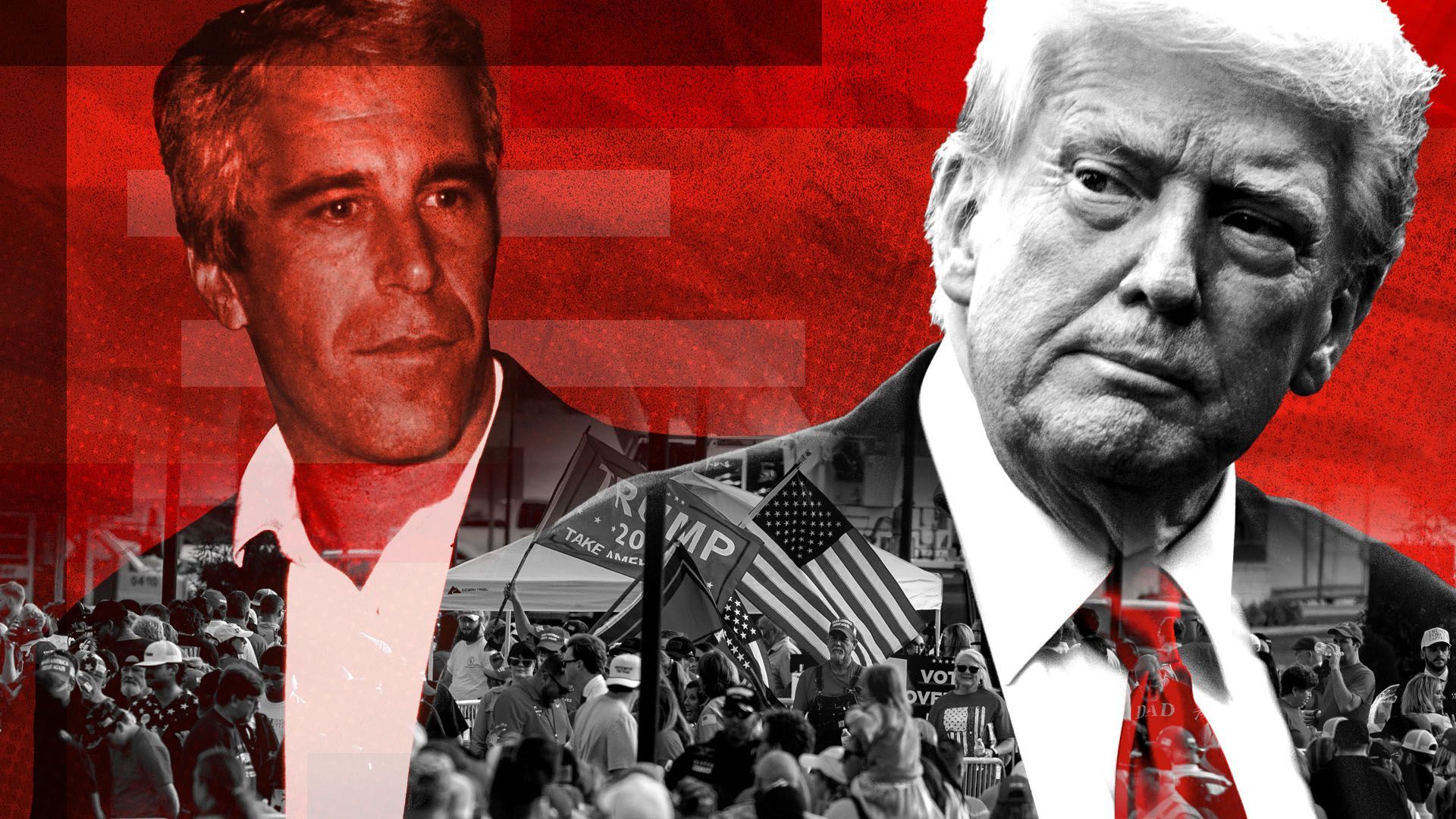
A new wave of scrutiny is building around former President TRUMP after fresh reporting raised questions not only about the contents of the so-called Epstein files, but about what may be missing from them.
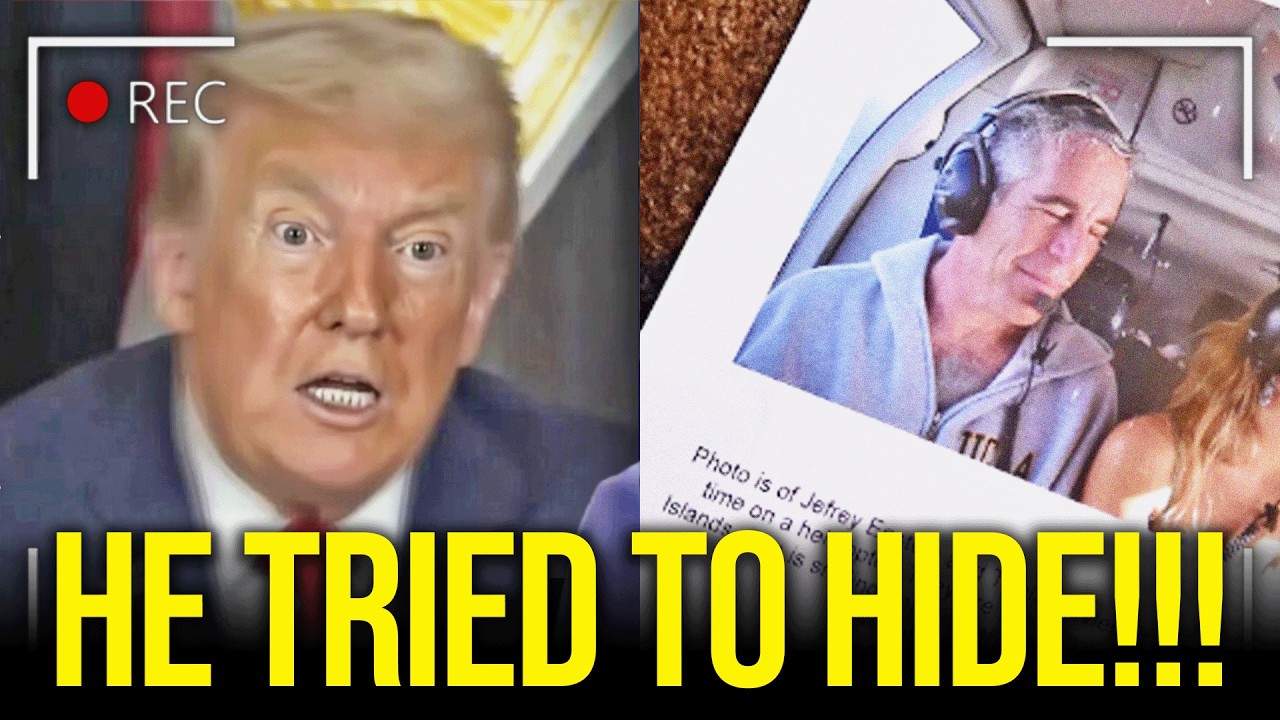
An investigation by NPR, echoed by analysis on MSNBC, alleges that key materials connected to the Jeffrey Epstein case were withheld or selectively removed from public databases — including documents referencing accusations against TRUMP. The claims center on internal Justice Department handling of witness interview memoranda and file indices that appear incomplete.
At the heart of the controversy is a witness who, according to reporting, was interviewed multiple times by the FBI in 2019. An index of documents — produced during proceedings related to Ghislaine Maxwell — lists four interview memoranda connected to that witness. Only one, journalists say, is publicly available. The remaining three are not.
The significance lies in what those missing interviews allegedly contained.
According to the reporting, the woman — identified in later FBI materials — accused TRUMP of sexually assaulting her when she was between 13 and 15 years old. The single publicly available memo reportedly does not detail such allegations. Instead, it references a meeting and a photograph of Epstein and TRUMP together — an image widely circulated for years. But journalists cite human sources asserting that the same woman made far more serious accusations in other interviews that have not been disclosed.
The Justice Department has not publicly explained why certain memoranda appear absent.
The reporting also notes that some documents mentioning TRUMP were removed from a public database of Epstein-related files, despite federal transparency laws requiring disclosure. Whether those removals were procedural, protective, or intentional remains disputed. What is clear is that the perception of selective redaction — of some names obscured and others exposed — has intensified skepticism across the political spectrum.
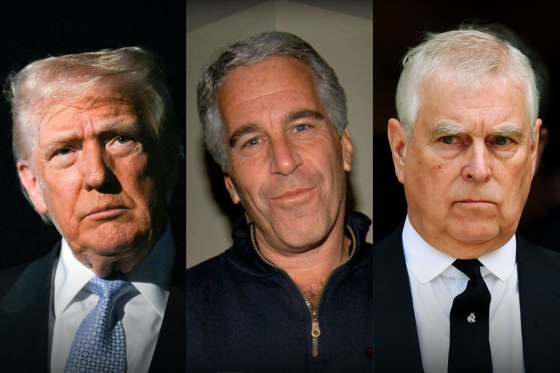
That skepticism spilled onto the House floor this week, where Representative Thomas Massie delivered an unusually blunt critique of the Department of Justice. Massie questioned why, despite millions of pages of Epstein-related materials and high-profile resignations abroad, there have been no comparable prosecutions in the United States tied to prominent figures named in civil or investigative contexts.
Massie cited figures such as Leon Black, Jes Staley, and Leslie Wexner — individuals who have faced scrutiny in varying forms related to Epstein. None have been criminally charged in connection with Epstein’s trafficking crimes. Massie’s broader argument was institutional: Congress funds and oversees the Justice Department, he said, and should demand clarity on prosecutorial decisions.
The congressman also referenced the Epstein Files Transparency Act, legislation intended to compel disclosure of internal DOJ communications explaining why certain individuals were or were not prosecuted. To date, critics argue, internal memos have not been fully released.
The renewed focus on the files comes amid resurfaced audio from 2006 in which TRUMP made comments about age and relationships that are now circulating widely online. Supporters argue the remarks were flippant and taken out of context; critics say they underscore the seriousness of the allegations described in the missing memoranda. TRUMP has repeatedly denied any wrongdoing related to Epstein and has not been charged with crimes stemming from the Epstein investigation.

Complicating the political landscape are parallel allegations involving other public officials. Some Republicans have criticized party leadership for what they describe as inconsistent responses to accusations of misconduct within their own ranks. Others counter that conflating separate cases risks politicizing criminal justice matters.
The broader question raised by the new reporting is less about one individual and more about institutional transparency. If interview records exist but are not public, what standard governs their release? If names are redacted, who decides the threshold for disclosure? And if materials were removed from searchable databases, under what authority did that occur?
Legal experts note that witness interviews can be withheld for numerous reasons — privacy protections, ongoing investigations, or evidentiary constraints among them. But when high-profile political figures are implicated, even routine procedural decisions can appear suspect.
The Epstein saga has long been defined as much by what remains hidden as by what is known. Epstein died in federal custody in 2019 while awaiting trial on sex trafficking charges, an event that fueled widespread conspiracy theories and bipartisan distrust of federal institutions. Maxwell was later convicted on sex trafficking-related charges and is serving a federal prison sentence.
Now, years later, the files continue to reverberate through American politics. Whether the missing memoranda reflect bureaucratic caution, legal constraint, or something more deliberate may ultimately be resolved only through further disclosure — or litigation compelling it.
For TRUMP, the controversy adds another layer to an already complex legal and political environment. For Congress, it renews oversight tensions with the Justice Department. And for the public, it reinforces a lingering question that has shadowed the Epstein case from the beginning: in a system that promises equal justice under law, who decides what the public gets to see?