JUST IN: TRUMP’S THREATS TORPEDO $19B F-35 DEAL — CANADA TURNS TO SWEDEN IN DEFENSE SHOCKWAVE
A $19 billion Canadian defense contract with Lockheed Martin is collapsing in real time—not because of cost overruns or technical flaws, but because of political threats from Washington. Comments by the U.S. ambassador to Canada, widely interpreted as a warning that American jets could enter Canadian airspace if Ottawa rejected U.S. fighters, have detonated what was supposed to be the largest foreign F-35 sale in history.

Within hours of the remarks, Canadian Defense Minister Bill Blair confirmed that Prime Minister Mark Carney ordered a full review of the planned purchase of 88 F-35A fighter jets. While the first 16 aircraft—already in production—remain locked in, the remaining 72 jets, worth roughly $16 billion CAD, are now under active reconsideration as Canada opens negotiations with Sweden’s Saab for its Gripen fighters.
What Washington framed as pressure backfired spectacularly. Instead of forcing compliance, the threats handed Canadian leaders the political justification they needed to pivot away from American defense suppliers. Saab has seized the moment, offering to manufacture Gripen jets in Canada, promising more than 12,600 aerospace jobs, full technology transfer, and domestic assembly—benefits Lockheed Martin has not matched.
For years, Canada wavered on the F-35 program, finally signing the contract in June 2023 after an open competition in which the F-35 beat the Gripen on technical grounds. The Royal Canadian Air Force favored the jet for its fifth-generation stealth and seamless NORAD interoperability. That consensus unraveled once U.S. rhetoric turned the aircraft into a symbol of political dependence.
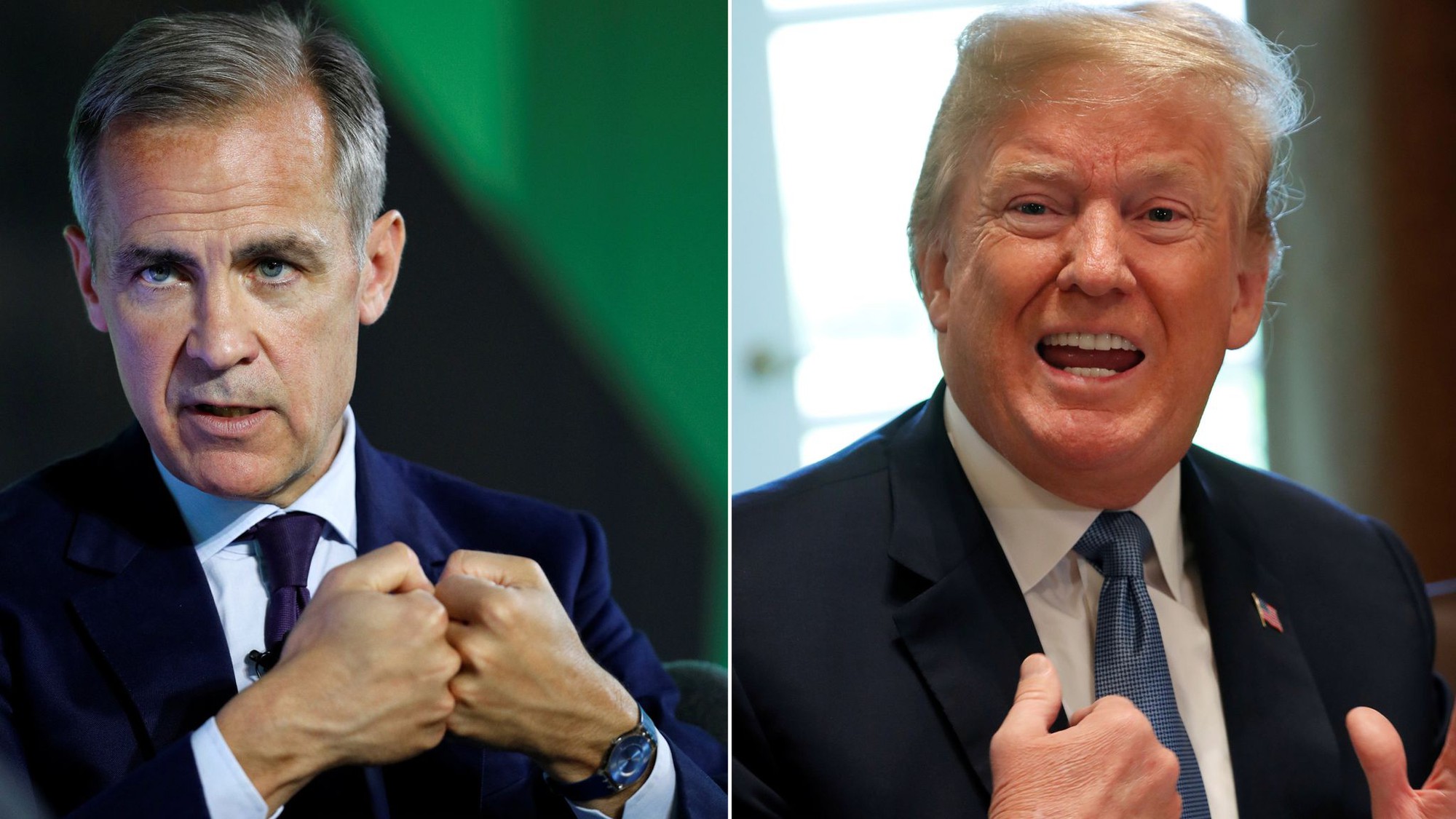
Trump’s repeated attacks on Canada—tariffs, annexation rhetoric, and public insults—have made American defense contracts politically toxic. Polls now show more than 70% of Canadians support switching to Swedish fighters or adopting a mixed fleet. For Carney, who campaigned on reducing Canada’s reliance on the United States, continuing with the full F-35 order would contradict his core promise to voters.
The contrast between the two offers is stark. While Canadian firms participate in the global F-35 supply chain as parts suppliers, Canada does not assemble the aircraft or control its technology. Saab’s proposal would turn Canada into a sovereign fighter-jet manufacturing hub, with domestic maintenance, long-term skilled jobs, and reduced dependence on U.S. supply chains and political pressure.
The fallout extends far beyond Canada. Losing Ottawa as an F-35 customer would weaken the program’s international coalition, raise unit costs for remaining buyers, and embolden other NATO allies already reconsidering purchases after similar political frictions. Denmark and Portugal have both signaled doubts, raising fears of a broader erosion of U.S. defense exports.
At its core, this crisis exposes a hard lesson for American diplomacy: threats destroy markets. Defense procurement is not just about military capability—it is about jobs, sovereignty, and political trust. By replacing diplomacy with coercion, the Trump administration may have handed Sweden its biggest defense win in decades while pushing Canada to build an independent aerospace future—and costing the U.S. defense industry billions in the process.