Judge Signals Evidence Was Likely Destroyed in Federal Shooting Case, Opening Door to Major Civil Liability
A Trump-appointed judge in Minnesota says key evidence in the fatal shooting of Alex Prey may be irretrievably lost, a finding that could prove decisive in future civil rights litigation.
A federal judge appointed by President Donald Trump has delivered a sharply worded warning to the federal government in a case stemming from the fatal shooting of Alex Prey in Minnesota, concluding that it is “highly likely” critical evidence from the scene was destroyed or improperly handled. While the court declined to extend an emergency order blocking further evidence destruction, the judge made clear that the consequences may surface forcefully in a future civil lawsuit brought by Prey’s estate.
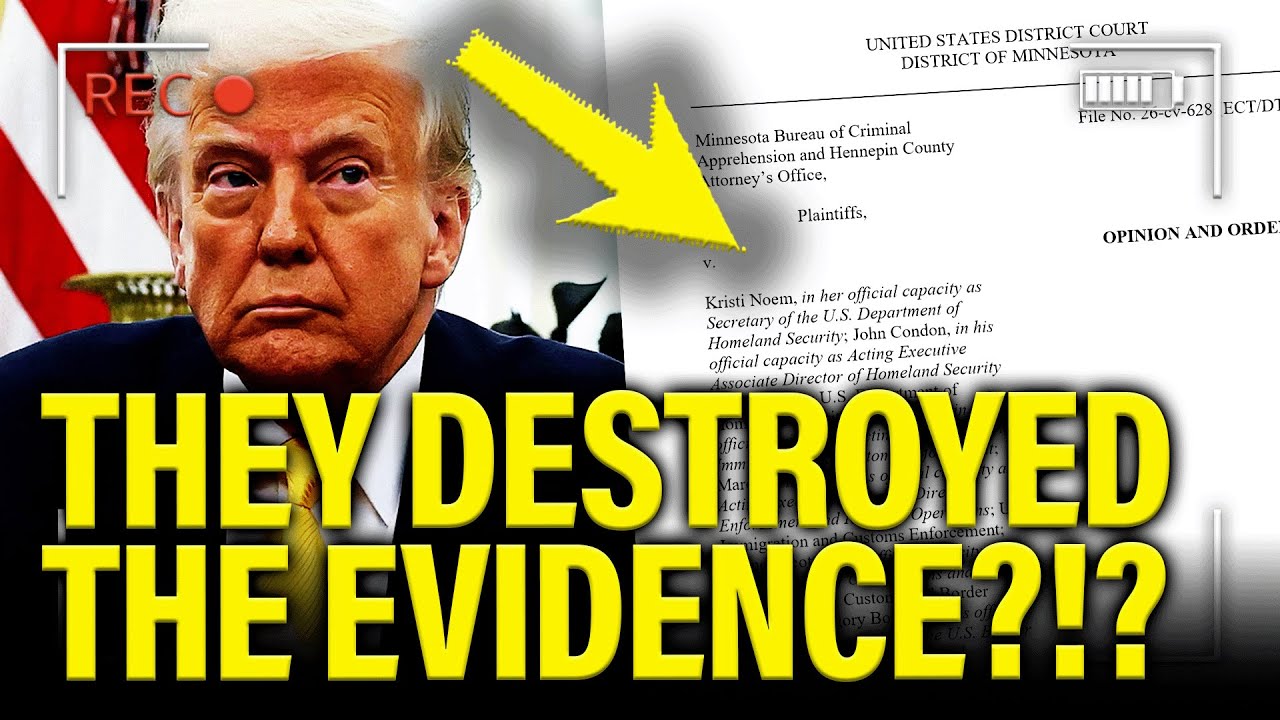
In a recent opinion and order, Judge Tashred of the U.S. District Court in Minnesota said that whatever damage occurred at the scene of the shooting has likely already been done. But far from closing the matter, the ruling effectively invites civil litigation, signaling that failures to preserve evidence could carry “significant, perhaps dispositive” consequences for the government if an excessive-force lawsuit is filed.
At the heart of the case is not only how Alex Prey was killed — he was shot multiple times by federal agents — but what happened afterward. According to court filings and the judge’s own analysis, federal authorities allegedly blocked state investigators from accessing the scene, witnesses, firearms, shell casings and other forensic evidence in the crucial hours and days following the shooting.
The plaintiffs in the underlying action, the Minnesota Bureau of Criminal Apprehension, sought emergency court intervention not to assign blame but to perform basic investigative functions. They wanted access to the crime scene, the weapons involved, and the agents who fired them. Instead, they encountered resistance from federal agencies, including the Department of Homeland Security and Border Patrol.
Last week, Judge Tashred issued a temporary restraining order aimed at preserving evidence. In his latest ruling, however, he declined to extend that injunction, explaining that the intense public scrutiny surrounding the case made further court intervention unlikely to prevent additional harm. “Whatever’s done is done,” the decision suggests. But the judge underscored that the legal fallout is far from over.
On page 13 of the order, Judge Tashred wrote that it “appears likely that evidence was lost or spoliated” at the scene of the shooting. In legal terms, spoliation refers to the destruction or failure to preserve evidence, whether intentional or negligent. In civil rights cases, such findings can dramatically alter the balance of a lawsuit.
The most troubling issue identified by the court concerns a firearm allegedly taken from Prey after he was shot — the weapon federal authorities have cited as justification for the use of deadly force. To this day, neither the plaintiffs nor the judge can determine where that gun is.

Multiple affidavits were submitted by federal agencies, including Homeland Security, Border Patrol and the FBI. Yet, as the court noted, none clearly established the chain of custody or current location of the firearm. Judge Tashred wrote that from the government’s silence, he inferred that officials “failed to safeguard the firearm in compliance with normal law enforcement processes.”
That inference carries weight. In civil litigation, the loss of such evidence can lead judges to impose sanctions, strike defenses, or even instruct juries to presume the missing evidence would have been unfavorable to the party responsible for its destruction.
Judge Tashred explicitly acknowledged this possibility. He wrote that the shooting itself “almost certainly triggered defendants’ duty to preserve evidence” relevant to any future excessive-force claim under federal civil rights law. Failure to do so, he warned, could all but decide the outcome of such a case before it reaches a jury.
Legal experts say the ruling places the federal government in a precarious position. If Prey’s estate files a lawsuit under Section 1983 — the primary vehicle for civil rights claims against government actors — the court’s findings on spoliation could shift the focus away from liability and straight to damages.
The decision also raises broader questions about transparency and accountability in federal use-of-force incidents. Judge Tashred noted that even basic facts remain unclear, including how many weapons were fired, by whom, and whether one or multiple guns discharged the fatal shots. The identities of the agents involved have not been publicly disclosed.
While some may frame the court’s refusal to extend the injunction as a procedural victory for the government, the substance of the ruling tells a different story. The judge’s language reads less like a retreat and more like a warning shot — one aimed squarely at future litigation.
For the family of Alex Prey, the ruling does not deliver justice. But it does something else: it lays a legal foundation. By acknowledging likely evidence destruction and questioning the handling of critical firearms, a Trump-appointed judge has signaled that the federal government may face steep consequences in civil court.
The criminal accountability questions remain unresolved. But on the civil side, the path forward is now clearly marked — and it may prove far more damaging than an injunction ever could.