In North Carolina Primary, Trump’s Endorsement Faces an Unexpected Test
For years, a coveted endorsement from former President Donald J. Trump has been viewed as a decisive advantage in Republican primaries, often reshaping crowded fields and elevating candidates who once trailed in the polls. But in North Carolina, a closely watched State Senate primary is raising fresh questions about the limits — and possible liabilities — of that political clout.
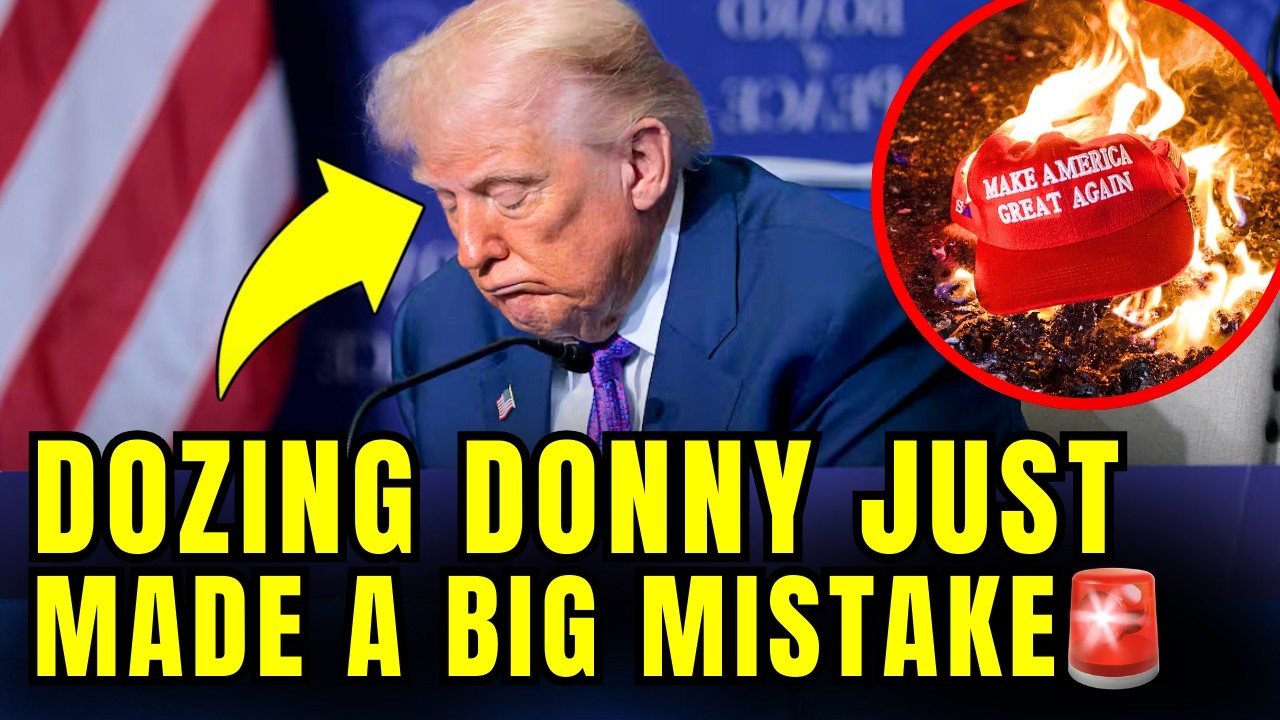
Phil Berger, the longtime president of the North Carolina State Senate and a dominant figure in state Republican politics for more than a decade, is confronting an unexpectedly competitive challenge from Sam Page, a local sheriff. Despite securing Mr. Trump’s endorsement late last year, Mr. Berger now finds himself in a race that party strategists once assumed would be routine.
The contest, first detailed by The Washington Post, has unsettled Republican operatives who have long regarded North Carolina as reliably conservative terrain, particularly in statewide and legislative contests. While the state remains politically competitive at the presidential level, its Republican infrastructure has been stable and well organized. Mr. Berger, who has led the Senate Republican caucus since 2011, was widely seen as secure in his position.

Mr. Trump’s endorsement, issued in December, was expected to fortify that perception. Instead, the race has tightened, prompting debate within the party about whether the former president’s imprimatur still carries the unambiguous weight it once did.
The episode stands in contrast to earlier cycles. In Ohio’s 2022 Republican Senate primary, Mr. Trump’s backing helped propel J.D. Vance from polling in the single digits to winning the nomination. At the time, several Republican officials described the endorsement as uniquely powerful. “Endorsements don’t really change the outcome of an election unless it’s a Donald Trump endorsement,” said Sean Duffy, now head of the Federal Aviation Administration, in a television appearance that year.
That pattern — sometimes described by allies as a form of “trickle-down” influence — reinforced the notion that Mr. Trump’s support could reshape even late-stage primaries. But North Carolina’s current race suggests that the dynamic may be more complicated.
According to reporting by The Post, some advisers sought to draw Mr. Trump’s attention to the contest by highlighting redistricting efforts that could benefit Republicans in Congress. Mr. Berger has denied any quid pro quo arrangement and said he did not personally lobby the former president for his endorsement. Still, the sequence of events — including the passage of a new electoral map followed by Mr. Trump’s intervention — has drawn scrutiny from both parties.
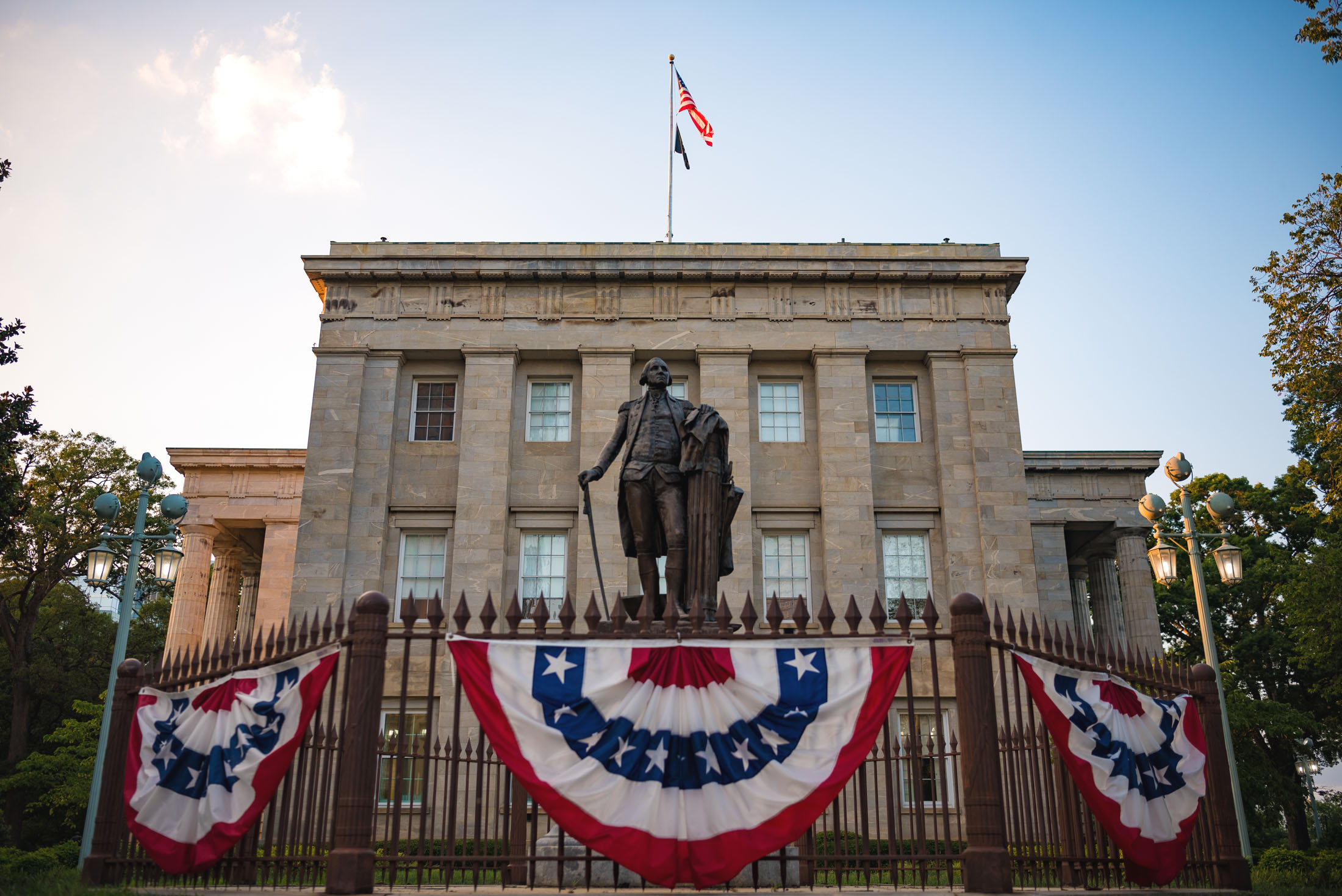
Mr. Berger’s campaign has pushed back against the idea that the race signals a broader shift. In interviews, he has argued that primary challenges are often underestimated and that robust spending is necessary to avoid complacency. But some Republican strategists, speaking privately, have acknowledged concern that heavy expenditures in a safe district could drain resources needed for more competitive general election contests.
The debate over the endorsement’s impact comes at a moment when Mr. Trump remains the dominant figure in Republican politics, yet faces a national electorate that has shown signs of fatigue with political polarization. Critics argue that his brand energizes loyal voters but may complicate coalition-building in certain regions. Supporters counter that he continues to command deep allegiance among primary voters, particularly in conservative strongholds.
North Carolina’s March primary will offer one data point, though not a definitive verdict, on the endurance of Mr. Trump’s influence. Even if Mr. Berger prevails, the closeness of the contest could signal a more nuanced political landscape in which endorsements alone do not guarantee insulation from local dynamics.
Political scientists note that endorsements typically function as cues for voters who may not follow down-ballot races closely. But they are rarely the sole factor in determining outcomes. Local issues, candidate familiarity and campaign organization can outweigh national branding — even in states that lean strongly toward one party.
For now, Republicans in North Carolina are watching closely. The outcome could shape not only the future of a veteran state lawmaker but also broader calculations about the strategic use of high-profile endorsements in 2026 and beyond.
If Mr. Trump’s backing once served as a near-automatic accelerant, the North Carolina primary suggests it may now operate in a more complex political environment — one in which influence remains potent but not absolute.