Hillary Clinton Calls for Full Public Hearings on Epstein as Republicans Push Private Testimony
Washington — A long-simmering political and legal battle over the legacy of Jeffrey Epstein has erupted into a high-stakes confrontation on Capitol Hill, after Hillary Rodham Clinton demanded that any congressional testimony by her and former President Bill Clinton be conducted publicly — and that all remaining federal files related to Epstein be released in full, without redactions.
The demand, delivered through Clinton’s legal team and allies, represents a sharp reversal of the usual posture adopted by the Clintons when facing congressional scrutiny. For decades, critics have accused them of secrecy, legal maneuvering and procedural delay. Now, Mrs. Clinton is calling for transparency — a move that has placed House Republicans in an unexpectedly difficult position and reopened scrutiny of President Trump’s own past relationship with Epstein.

The dispute comes as the House Oversight Committee, controlled by Republicans, prepares to vote on legislation that could compel the Justice Department to release its remaining files related to Epstein’s criminal network. According to the bill’s lead Republican co-sponsor, more than 100 Republican lawmakers may support the measure, potentially forcing the department’s hand.
At the same time, President Trump has signaled a shift in his own rhetoric. Speaking publicly this week, he said House Republicans “should vote to release the Epstein files” and insisted that he had “nothing to hide,” characterizing the renewed focus on Epstein as a “Democrat hoax.” The statement marked a notable change from Trump’s earlier reluctance to address the matter directly.
Yet the political terrain is far from settled.
Republicans on the Oversight Committee have sought to compel closed-door depositions from the Clintons, arguing that private testimony is standard practice during sensitive investigations. When Clinton allies initially resisted, committee leaders threatened contempt proceedings.
Mrs. Clinton’s response was unequivocal: she and her husband would testify — but only in public, with cameras rolling, and only if the Justice Department released all Epstein-related materials, including documents that reference Bill Clinton.
“If you want transparency,” one person close to Clinton said, speaking on the condition of anonymity, “then you don’t get to cherry-pick. You release everything, and you do it in the open.”
That demand has upended the committee’s strategy. While Republicans insist they are seeking facts, Democrats and Clinton allies argue that private testimony would allow selective leaks, stripped of context, to shape public perception without accountability.
The Epstein files themselves are vast and controversial. The Justice Department has already released millions of pages tied to Epstein’s finances, travel, associates and criminal investigations. Those materials include flight logs, photographs, correspondence and witness statements implicating a wide range of powerful figures across politics, business and entertainment.
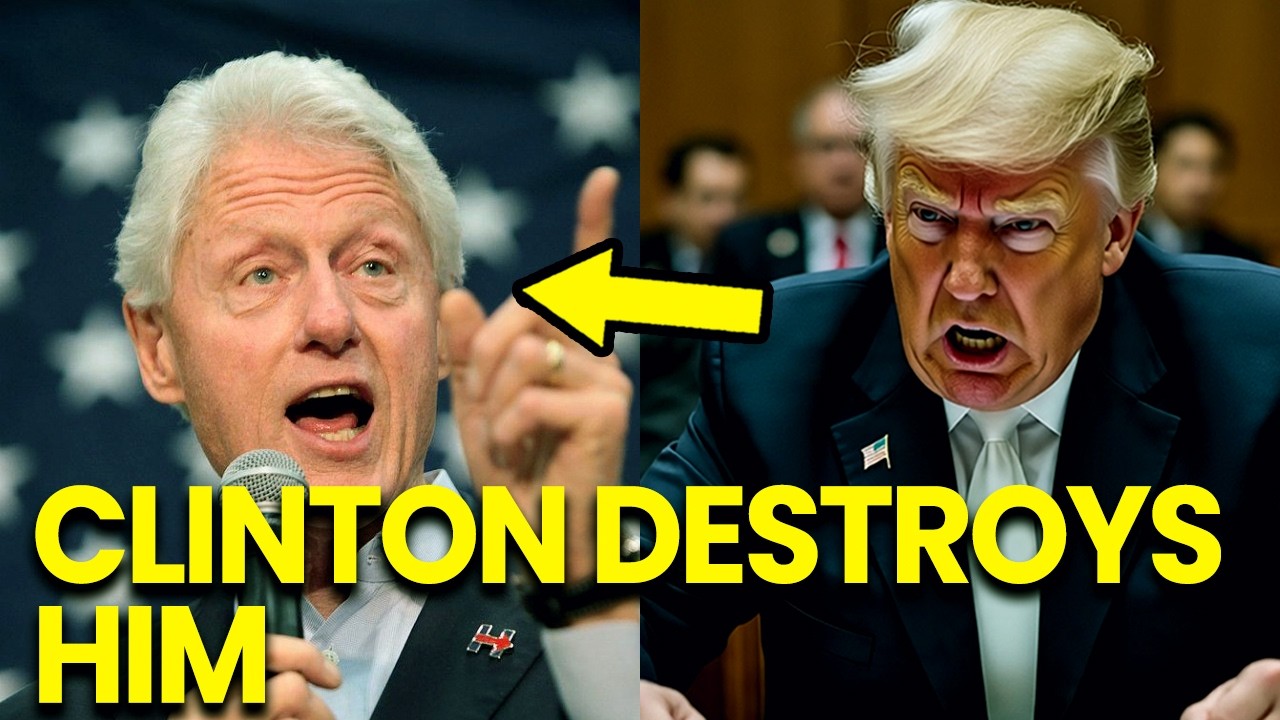
Both Bill Clinton and Donald Trump appear repeatedly in the records.
Documents confirm that Clinton flew multiple times on Epstein’s private jet in the early 2000s, trips his representatives say were connected to philanthropic and humanitarian work associated with the Clinton Foundation. Photographs and visitor logs place Clinton at Epstein-owned properties. Clinton has long denied any knowledge of Epstein’s criminal conduct and has said he severed ties well before Epstein’s first arrest.
Trump’s connections are also documented. Photographs from the 1990s show Trump socializing with Epstein at Mar-a-Lago and at private events. Trump once described Epstein as a “terrific guy” who liked women “on the younger side,” a remark that has drawn renewed scrutiny. Records also show Epstein as a member of Trump’s Florida club, though Trump has said he later banned Epstein and distanced himself.
What remains contentious — and largely hidden — are the redactions.
Despite the scale of released material, large portions of the Epstein archive remain blacked out, including names, dates, and entire passages. The Justice Department has said redactions are necessary to protect victims’ privacy, ongoing investigations and national security interests. Critics across the political spectrum argue the redactions shield influential individuals from embarrassment or legal exposure.
Mrs. Clinton’s demand that the files be released in full has intensified that debate.
“If the evidence is benign, release it,” said one Democratic lawmaker familiar with the Oversight Committee’s deliberations. “If it’s damaging, then the public has a right to know.”
Republicans have pushed back sharply. In statements posted on social media, committee leaders accused the Clintons of attempting to “reframe the investigation” and insisted that their lawyers had already agreed to private depositions. Public hearings, they argued, would turn fact-finding into political theater.
But the political optics are complicated.
Refusing a public hearing risks allowing Democrats to portray Republicans as controlling the narrative while shielding President Trump from parallel scrutiny. Agreeing to one, however, would mean relinquishing control of the format — and potentially reopening questions about Trump’s own association with Epstein at a time when Republicans are eager to move past the scandal.
Trump, for his part, appears caught between competing imperatives. His base has long demanded full disclosure of Epstein’s network, often accusing federal institutions of protecting elites. At the same time, renewed attention to Epstein threatens to revive uncomfortable questions about Trump’s social and business circles before his presidency.
Privately, Republican strategists acknowledge the dilemma.
“Epstein is radioactive,” said one Republican consultant who requested anonymity to speak candidly. “Everyone wants transparency in theory. In practice, no one wants their own side exposed.”
Mrs. Clinton’s move is widely seen as a calculated gamble. By demanding full disclosure, she is betting that the totality of the evidence will prove less damaging than years of speculation and partial leaks. If the files reinforce her account — that Bill Clinton’s interactions with Epstein were limited and professional — the strategy could blunt Republican attacks and shift attention to Trump and other figures.
If the files contain more troubling revelations, however, the consequences could be severe.
“This is either confidence or desperation,” said a former federal prosecutor now teaching law. “You don’t ask for sunlight unless you believe it favors you.”
The broader implications extend beyond partisan politics. The Epstein case has become a symbol of perceived impunity for the powerful — a reminder that wealth, influence and political connections can insulate individuals from accountability. Whether Congress and the Justice Department are willing to confront that perception may shape public trust far beyond this investigation.
For now, the immediate question is procedural: Will House Republicans allow a public hearing, or will they insist on closed-door testimony?
The answer may determine not only the fate of the Clinton inquiry, but whether the Epstein scandal — long clouded by secrecy — finally enters the open.
And once it does, few expect the fallout to spare anyone.