Court Records, Unsealed Evidence and a $16 Million Settlement: How Donald Trump’s Legal Exposure Is Moving From Allegation to the Public Record

WASHINGTON — Paramount Global’s agreement to pay $16 million to settle a lawsuit brought by President Donald J. Trump over a “60 Minutes” interview may appear, at first glance, to be a narrow dispute about television editing. But the settlement, announced quietly overnight, is unfolding against a far larger and more consequential backdrop: an accelerating release of court records, congressional testimony and investigative material that is steadily fixing Mr. Trump’s legal controversies into the public record.
The Paramount settlement resolves a defamation claim Mr. Trump filed after CBS aired an interview last year with his former political rival, Vice President Kamala Harris. Mr. Trump alleged that the interview had been deceptively edited in a way that benefited Ms. Harris and harmed him. Independent legal experts widely questioned the strength of the claim, noting the high bar for defamation suits brought by public figures and the strong First Amendment protections afforded to editorial judgment.
Under the terms of the agreement, Paramount will pay $16 million, which Mr. Trump’s legal team said would be directed to his future presidential library. The company did not issue an apology or statement of regret, but agreed to a new policy of releasing full transcripts of interviews conducted with sitting presidents going forward. Executives familiar with the matter said the settlement was influenced in part by Paramount’s ongoing need for federal regulatory approval related to a proposed merger, creating incentives to resolve the dispute swiftly.
Inside CBS News, the agreement has prompted unease, according to several employees, who viewed the case as legally weak but politically sensitive.
Yet the settlement is notable less for its substance than for its timing. It comes as judges, prosecutors and lawmakers continue to make public a growing body of evidence connected to two major federal investigations that have defined Mr. Trump’s post-presidency: his handling of classified documents after leaving office and his efforts to overturn the 2020 election.
Although those federal cases have been paused following Mr. Trump’s return to the presidency — in accordance with longstanding Justice Department policy barring the indictment of a sitting president — the evidentiary record continues to expand.
In the classified documents case, federal prosecutors led by Special Counsel Jack Smith obtained search warrants, conducted dozens of interviews and secured audio recordings that are now central to the public understanding of the matter. Among the most significant disclosures is a 2021 recording from Mr. Trump’s Bedminster golf club in which he is heard discussing a highly sensitive military plan related to Iran with individuals who did not hold security clearances.
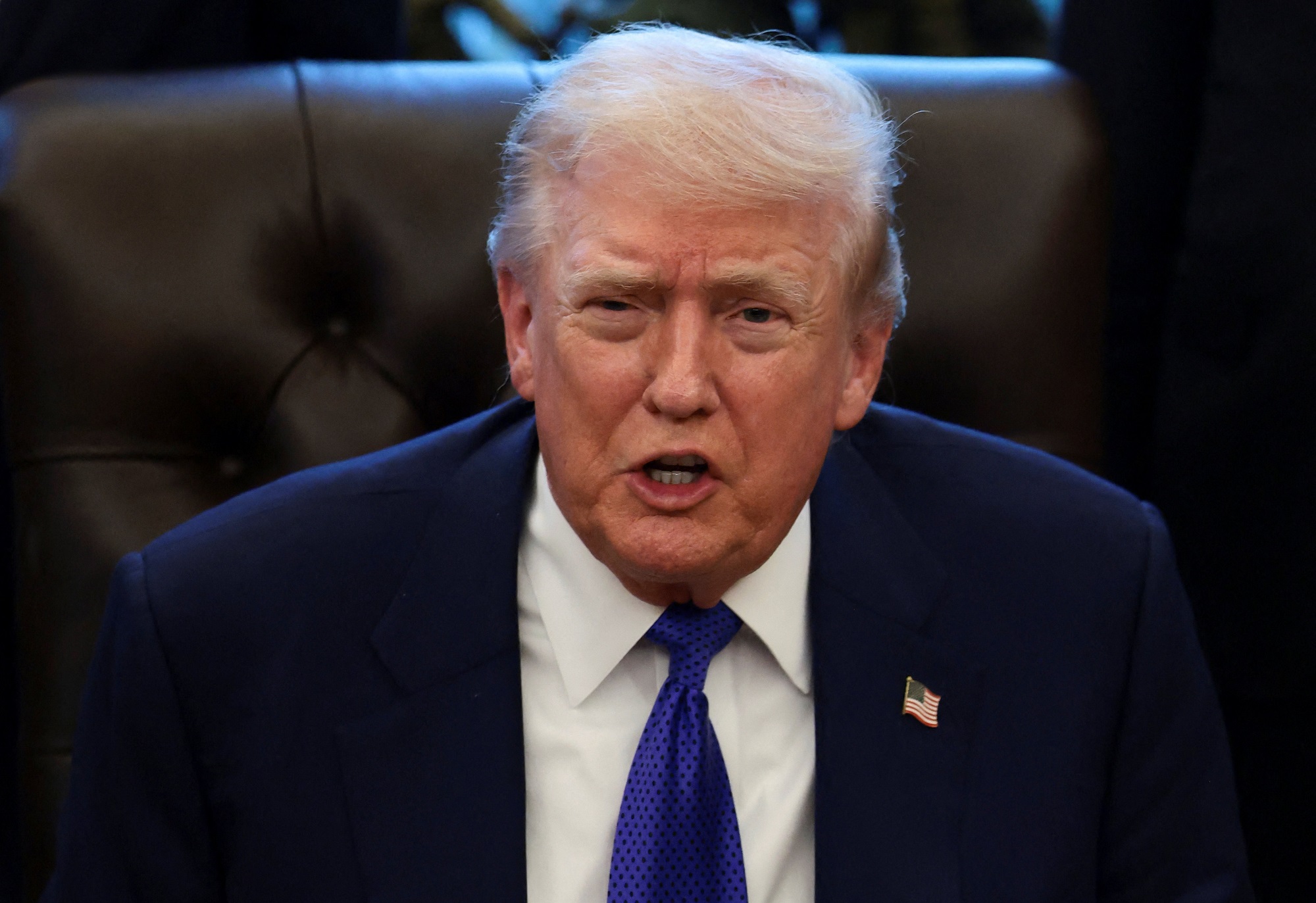
On the recording, Mr. Trump acknowledges that the document remained classified and that he had not declassified it — an admission that directly contradicts his repeated public assertions that he had declassified all materials he took from the White House.
That recording was cited by Chief Judge Beryl A. Howell of the Federal District Court in Washington when she ruled that prosecutors had made a sufficient showing of criminal conduct to invoke the crime-fraud exception, allowing them to pierce attorney-client privilege and compel testimony from Mr. Trump’s former lawyer, Evan Corcoran. Such rulings are rare and reflect a judicial determination that legal advice may have been used to facilitate unlawful activity.
In October 2024, Mr. Smith’s team filed a 165-page brief detailing evidence gathered in both the documents case and the election interference investigation. Portions of that filing were later unsealed by Judge Tanya S. Chutkan, revealing extensive detail about Mr. Trump’s pressure campaign on Vice President Mike Pence, his private acknowledgment that he had lost the election, and his actions and inaction during the January 6 attack on the Capitol.
In closed-door testimony later released by Congress, Mr. Smith stated that his investigation had developed evidence “beyond a reasonable doubt” that Mr. Trump engaged in a criminal scheme to obstruct the peaceful transfer of power and willfully retained classified information. While those conclusions have not been tested at trial, they now exist in sworn testimony and court filings that cannot be erased.
Parallel to the Smith investigations, the Justice Department this year released millions of pages of records related to the late financier Jeffrey Epstein, following pressure from Congress under the Epstein Files Transparency Act. Mr. Trump signed the legislation during his campaign but later sought to delay its implementation once back in office, according to lawmakers.
The document dump — estimated at between three and three-and-a-half million pages — includes flight logs, internal government emails, FBI memoranda and investigative tips. Mr. Trump’s name appears repeatedly across the materials, including in records that contradict his longstanding claims that he never traveled on Epstein’s private aircraft.
An internal Justice Department email from 2020, made public in the release, states that Mr. Trump traveled on Epstein’s plane “many more times than previously reported or acknowledged.” Other documents show that federal investigators received multiple tips alleging misconduct connected to Mr. Trump, though most were not substantiated. The department has said that it did not find sufficient evidence at the time to bring charges related to those allegations.
Still, legal scholars note that the existence of documented investigations, even without charges, becomes significant when viewed alongside demonstrable false statements made by a public official.
Mr. Trump has responded to the disclosures with familiar tactics: denouncing prosecutors, attacking judges, threatening lawsuits against journalists and authors, and labeling the investigations as politically motivated “witch hunts.” He has called for Mr. Smith to be prosecuted and has dismissed the Epstein documents as misleading.
But unlike past controversies that unfolded primarily in the media, much of the current material resides in formal legal records — sworn testimony, judicial rulings, evidentiary filings — that are insulated from political spin.
“This is the difference between scandal and record,” said one former federal prosecutor. “Court documents don’t go away.”
The implications extend beyond Mr. Trump personally. Republican strategists have privately expressed concern that the steady drip of unsealed evidence could weigh heavily on down-ballot races ahead of the 2026 midterms, particularly in swing districts where independent voters have shown fatigue with prolonged political turmoil.
For Mr. Trump, the presidency offers temporary legal protection, but not absolution. Once he leaves office, federal and state prosecutors may resume dormant cases using evidence already collected. Civil litigants may also draw on the public record to advance claims.
The Paramount settlement, in this context, reads less like a legal victory than a reminder of how power, litigation and narrative control intersect. Mr. Trump secured a financial payment without a judicial ruling on the merits. But elsewhere, the machinery of the courts continues to operate on its own timetable.
History, as preserved in filings and transcripts, is being written in real time. And unlike settlements, it cannot be negotiated away.