Trump Signals Early Election Fraud Concerns and Federal Oversight Push Ahead of Midterms
Nine months before the upcoming U.S. midterm elections, former President Donald Trump and several allies have intensified their rhetoric around election integrity, federal oversight, and potential fraud risks — reigniting a national debate over voting security, state authority, and the role of federal agencies in election administration.
Recent interviews, public statements, and media appearances show Trump raising concerns about election systems well ahead of ballots being cast, while critics argue the messaging could undermine confidence in the electoral process.
Trump Raises Election Integrity Concerns Months Before Voting
In multiple recent appearances, Trump has stated that he believes prior elections were mishandled and has warned that similar problems could occur again. He has repeated claims about vulnerabilities in voting systems and said stronger federal involvement may be necessary in certain jurisdictions.
During a recent media interview, Trump said he regretted not taking more aggressive action regarding voting systems after the 2020 election — comments that have drawn strong reactions from both supporters and opponents.
Supporters say he is highlighting unresolved election security questions. Critics say the statements risk pre-emptively casting doubt on future election results.

Federal Authority vs State Control of Elections
One of the most controversial points raised in recent weeks involves Trump’s suggestion that the federal government should take a larger role in overseeing voting processes in multiple states.
Under the U.S. Constitution, states primarily control how elections are run, though federal law sets certain standards and protections. Election law experts note that any attempt to “nationalize” election administration would face major legal and constitutional hurdles.
Debate over federal versus state control is not new, but the timing — months before voting — has increased political tension.
FBI Activity in Georgia Election Offices Draws Attention
A recent FBI search related to election records in Georgia has added fuel to the discussion. Federal officials executed a warrant connected to election documentation, according to reports. The presence of senior intelligence leadership at the scene has also sparked questions and criticism from some lawmakers.
Supporters of the investigation say it reflects lawful oversight activity. Critics argue the optics could be perceived as politically charged given the location and timing.
No formal findings from that investigation have yet been publicly released.
Controversy Over Polling Place Security Comments
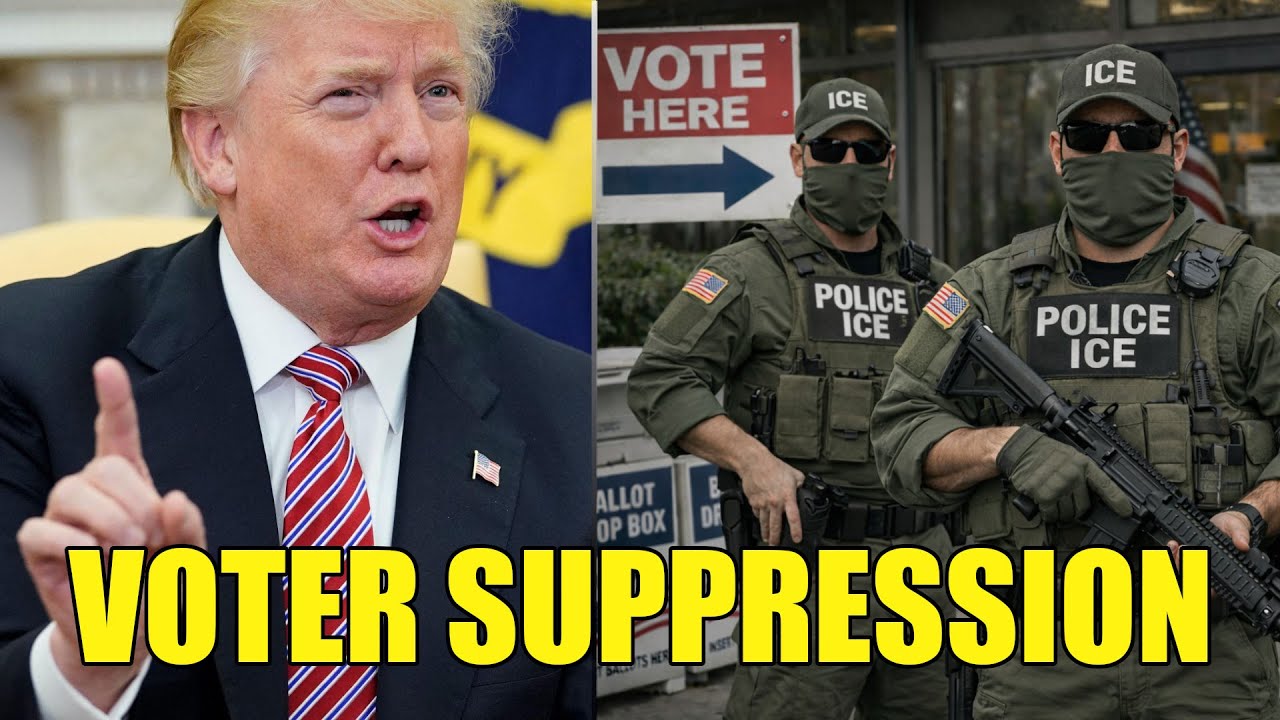
Additional controversy followed public comments from political figures suggesting immigration enforcement officers could be deployed near polling locations. Federal law restricts intimidation and interference at voting sites, and election protection statutes are clear on voter access rights.
When asked about the issue, White House representatives did not confirm any such plan, but also did not categorically rule out all hypothetical scenarios — a response that generated debate across media and advocacy groups.
Voting rights organizations say even speculation about armed or uniformed federal presence near polling places can create fear among voters. Others argue that lawful security presence does not automatically constitute intimidation.
Key Difference From 2020: Timing
Analysts note that one major difference compared to the 2020 election cycle is timing. Claims and counter-claims about election integrity are now emerging far earlier than in previous cycles.
Some commentators view this as strategic narrative framing. Others see it as early warning about perceived vulnerabilities. Either way, the discussion has begun much sooner than in past elections.

Legal Experts Emphasize Guardrails Still Exist
Election law scholars stress that multiple legal guardrails remain in place:
-
Courts oversee election disputes
-
States retain primary authority over voting systems
-
Federal agencies operate under statutory limits
-
Polling place intimidation laws remain enforceable
-
Certification processes are governed by state law
They note that any attempt to override established procedures would face immediate legal challenges.
Political Impact Ahead of the Midterms
With all House seats and many Senate seats on the ballot, the midterms are expected to be highly competitive. Early messaging around election legitimacy may influence turnout, campaign narratives, and voter confidence.
Both major parties are already mobilizing legal teams and election monitoring operations — something that has increasingly become standard practice in modern U.S. elections.
Conclusion
The national conversation around election integrity, federal authority, and voter protection is accelerating months ahead of Election Day. Trump’s recent statements and related federal actions have intensified scrutiny and debate across political lines.
Whether these developments represent precaution, political strategy, or institutional stress will likely be determined through court rulings, official investigations, and — ultimately — the voters themselves.