What began as a routine reminder about the rule of law inside the U.S. military has exploded into one of the most unsettling political controversies in recent memory. Senior military leaders and veterans’ organizations have been urging service members to remember a core principle drilled into them from day one: they are obligated to refuse unlawful orders.
That message, grounded in long-standing military doctrine and international law, has now ignited a firestorm after Donald Trump publicly denounced it as “sedition” and accused military officials of attempting to “spark a mutiny.”
The clash has laid bare a growing fracture between executive power and constitutional loyalty — one that many in Washington fear could reshape the balance of American democracy itself.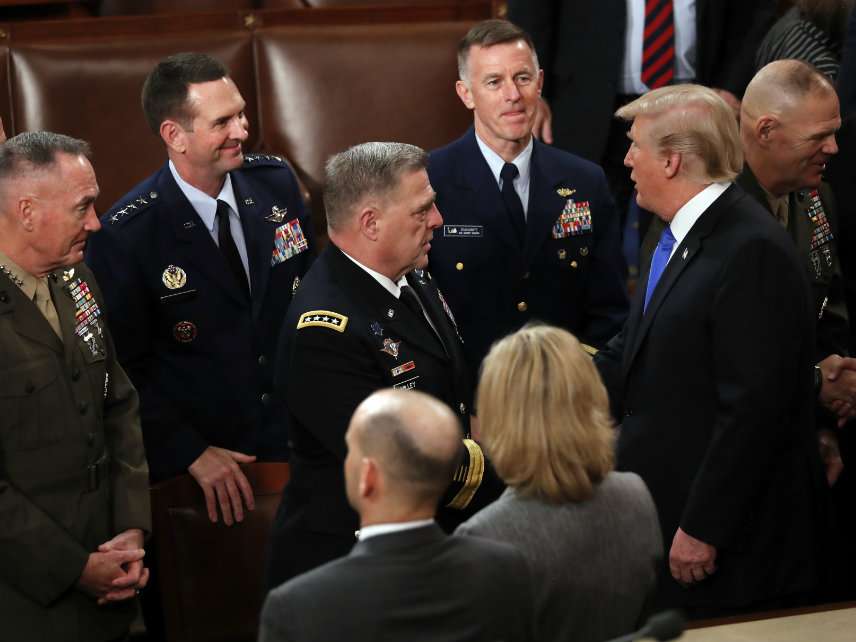
A Reminder — or a Warning?
For decades, U.S. service members have been trained to follow lawful orders and to reject commands that violate the Constitution, domestic law, or the laws of war. This principle was reinforced after the Nuremberg Trials and remains a cornerstone of modern military ethics.
Recently, that guidance resurfaced amid heightened political tension. Veterans, legal scholars, and retired officers began openly reminding troops — especially those in command positions — that “I was just following orders” is not a legal defense.
To many observers, it was a preventative measure. To Trump, it was an existential threat.
Trump Explodes, Accuses Military of Disloyalty
In a series of furious statements, Trump framed the guidance as a direct attack on his authority. He labeled it “sedition,” accused unnamed generals of undermining civilian control, and warned that such messaging could encourage rebellion within the ranks.
The response stunned national security experts.
“This isn’t radical. This is Military Law 101,” said one former Pentagon legal adviser. “Calling it mutiny reveals either a deep misunderstanding of the Constitution — or something far more alarming.”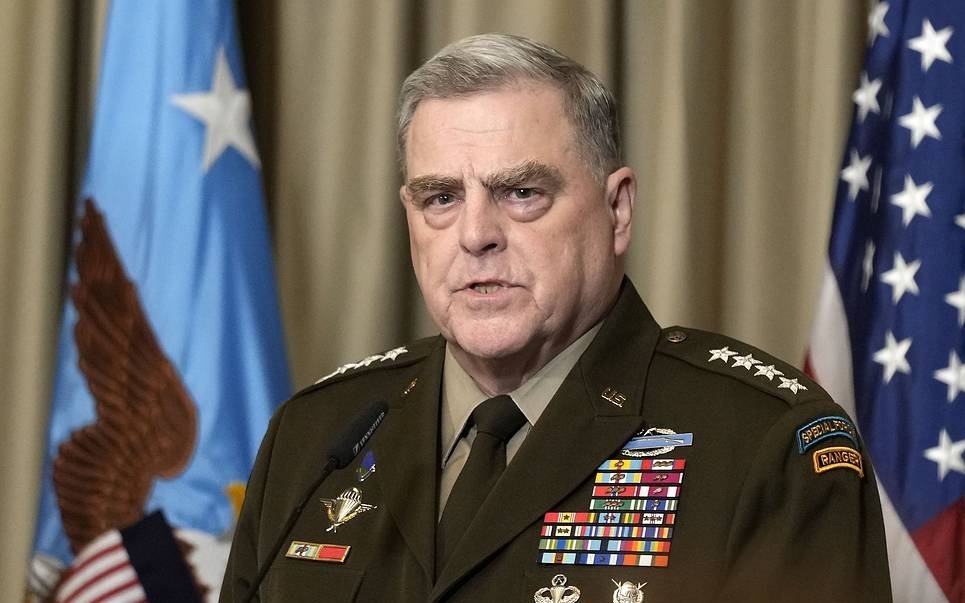
Loyalty to the Constitution, Not a Man
At the heart of the controversy is a fundamental reality often lost in political rhetoric: U.S. service members swear an oath to the Constitution, not to a president.
That distinction matters — especially during moments of crisis.
Legal analysts warn that branding constitutional obedience as “disloyalty” risks placing the military in an impossible position: obey a president at all costs, or uphold the law and be accused of treason.
Several retired officers have spoken anonymously, describing unease within the ranks. “People are asking quiet questions,” one said. “What happens if an order crosses a legal line? Who pays the price for refusing?”
A Dangerous Precedent
Historians note that democratic backsliding often begins with attacks on independent institutions — courts, media, and eventually the military.
“When leaders demand personal loyalty over legal loyalty, democracies weaken fast,” said a constitutional historian. “The U.S. military resisting unlawful orders isn’t collapse — it’s a safeguard.”
Yet Trump’s reaction suggests that safeguard may now be under direct political assault.
What Happens If the Military Refuses?
The question now echoing through Washington is as chilling as it is unprecedented: What happens if an order is issued… and the military says no?
Experts say the answer depends on legality. If an order is unlawful, refusal is not rebellion — it is compliance with the law. But the political consequences could be explosive.
Some warn that public accusations of “mutiny” could erode trust, destabilize command structures, and push the nation toward a constitutional crisis unlike any before.
A Turning Point?
Whether this moment marks the unraveling of Trump’s influence or the start of something darker remains unclear. What is certain is that the boundary between power and law is being tested — in public, and at the highest levels of government.
For many Americans, the controversy has transformed a theoretical safeguard into a real-world question with historic stakes:
If the Constitution and the presidency collide — which one holds?