Elon Musk is facing renewed scrutiny online following the circulation of documents and messages that social media users claim link the billionaire technology executive to Jeffrey Epstein, the disgraced financier who died in jail in 2019 while awaiting trial on sex-trafficking charges.
The materials, which began spreading rapidly across multiple platforms this week, include what are described as emails and messages in which Epstein allegedly references social gatherings, travel destinations in the Caribbean, and conversations with Musk. Musk’s name appears multiple times in the documents, prompting widespread debate over their authenticity, context, and significance.
Musk has denied any improper connection.
In a series of posts on X, the platform he owns, Musk dismissed the circulating materials as misleading and “taken out of context.” He stated that he never visited Epstein’s private island in the U.S. Virgin Islands and characterized the renewed attention as an attempt to manufacture scandal rather than establish facts.
“These claims are nonsense,” Musk wrote, adding that he supports the release of all Epstein-related records so that speculation can be replaced by verified information.
The controversy underscores the enduring sensitivity surrounding Epstein’s network of associates, which included politicians, business leaders, and public figures across multiple countries. Even unproven associations have often carried reputational consequences, particularly when fragments of correspondence or travel records resurface without judicial findings.
Legal experts caution that the existence of messages or contacts does not, on its own, establish wrongdoing.
“Epstein cultivated relationships with powerful people, often exaggerating connections to inflate his own influence,” said a former federal prosecutor. “That’s why context and verification are critical before drawing conclusions.”
The current online backlash has been intensified by Musk’s own digital footprint. Known for his frequent and often combative social media presence, Musk responded to critics in real time, challenging interpretations of the documents and accusing some commentators of bad faith. The exchanges fueled further attention, with critics framing his responses as defensive and supporters arguing that he was being targeted because of his political and cultural influence.
Adding another layer to the debate, Musk’s estranged daughter, Vivian Jenna Wilson, publicly commented on social media that certain dates and locations referenced in the circulating materials aligned with family travel during her childhood. Her remarks were widely shared, though they did not independently verify the authenticity or intent of the communications.
Musk has not responded directly to those comments.
The controversy also intersects with Musk’s increasingly visible alignment with former President Donald Trump. Musk has recently appeared alongside Trump at political events and has signaled support for some of Trump’s policy positions. Critics online have pointed out that Musk previously suggested Trump’s name appeared in Epstein-related records, a contradiction they argue complicates Musk’s current calls for transparency.
Trump has denied any wrongdoing related to Epstein and has not been charged in connection with the case.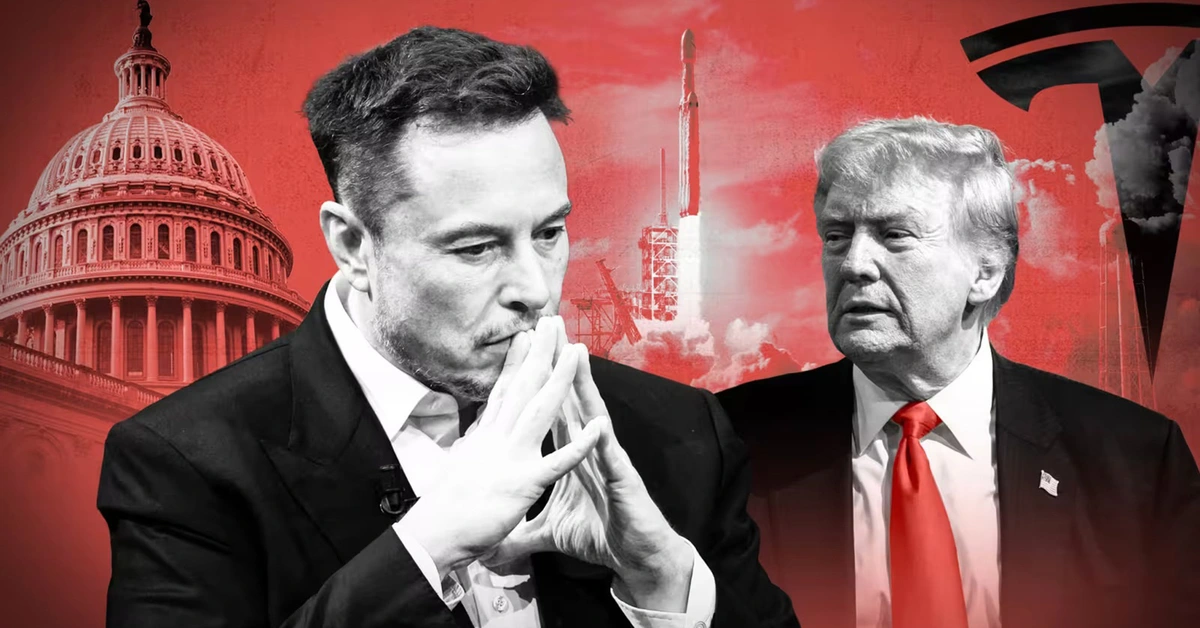
So far, no court filings or law enforcement actions have identified Musk as a subject or target of any Epstein-related investigation. No verified evidence has emerged showing that Musk engaged in illegal activity, and none of the circulating materials have been authenticated by authorities.
Still, the episode illustrates how rapidly unverified information can gain traction in a fragmented media environment—especially when it involves high-profile figures, unresolved scandals, and platforms designed to amplify outrage.
For Musk, whose public image blends technological ambition with cultural provocation, the moment represents a familiar challenge: navigating controversy in a space where denial, clarification, and escalation often blur together.
Whether the documents are substantiated or ultimately dismissed, the scrutiny reflects a broader reality. In the aftermath of Epstein’s crimes, association alone—real or perceived—continues to carry lasting consequences, and public judgment often moves faster than formal verification.
For now, the debate remains unresolved, unfolding largely online rather than in courtrooms—where facts, not speculation, ultimately determine the record.