U.S. Raid Captures Maduro, Thrusting America Into Uncertain Role in Venezuela
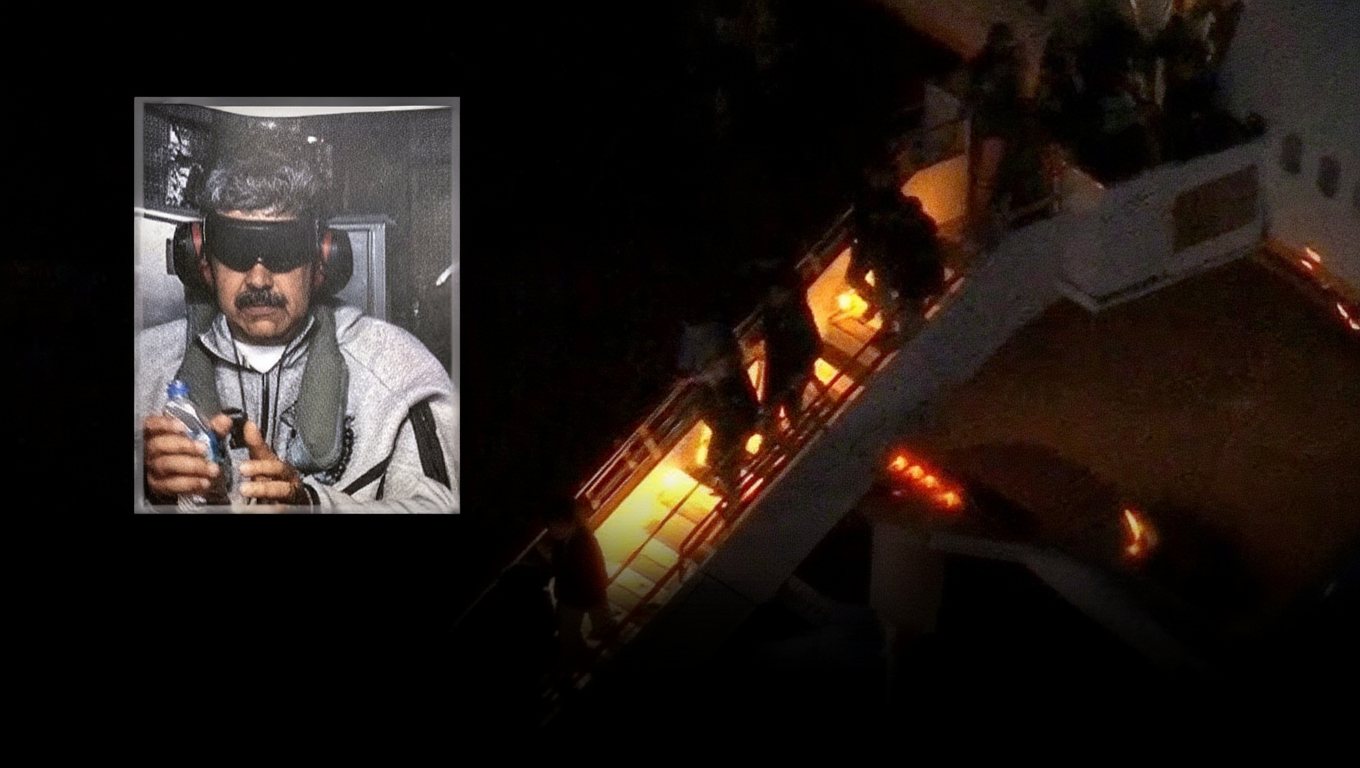
CARACAS, Venezuela — In a daring predawn military operation on Jan. 3, U.S. forces seized Venezuelan President Nicolás Maduro and his wife, Cilia Flores, from a safe house in Caracas, marking a dramatic escalation in President Trump’s campaign against the authoritarian leader accused of narco-terrorism.
Mr. Trump announced that the United States would temporarily “run” Venezuela to oversee a transition and exploit its vast oil reserves, raising profound questions about the legality, costs and long-term consequences of American intervention in a nation of nearly 30 million people.

The operation, dubbed Absolute Resolve, involved airstrikes on military sites and a helicopter assault that encountered light resistance but resulted in no American casualties, officials said. Mr. Maduro, indicted in the U.S. on drug-trafficking and weapons charges, arrived in New York late Saturday and is detained at the Metropolitan Detention Center in Brooklyn ahead of a court appearance.
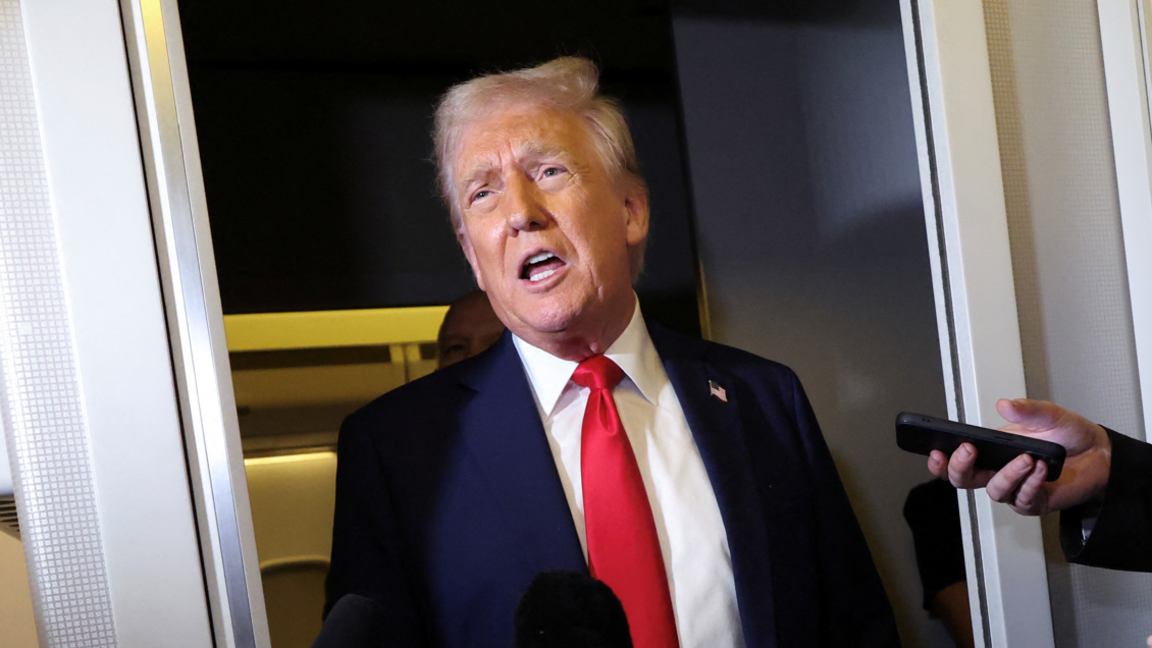
Speaking from Mar-a-Lago, Mr. Trump hailed the mission as a triumph, vowing that American oil companies would invest billions to revive Venezuela’s dilapidated petroleum infrastructure. “We’re going to be taking out a tremendous amount of wealth out of the ground,” he said, promising reimbursement for perceived damages while benefiting Venezuelans and U.S. interests.

Yet the president’s vision of an indefinite American stewardship — evoking comparisons to past interventions in Panama and Iraq — has sparked sharp divisions. Interim Vice President Delcy Rodríguez denounced the action as an “imperialist invasion” and insisted Mr. Maduro remains the legitimate leader. Loyalist governors and military units show no immediate signs of defection.
Opposition leader María Corina Machado, the 2025 Nobel Peace Prize laureate for her pro-democracy efforts, has garnered support from European nations and others advocating a peaceful transition. However, Mr. Trump dismissed her as lacking the qualities to lead, fueling speculation about Washington’s preferred successor.
The raid follows months of pressure, including sanctions and designations of Venezuelan entities as terrorist organizations. Mr. Trump framed it as an update to the Monroe Doctrine, jokingly calling it the “Donroe Doctrine” to assert U.S. dominance in the Western Hemisphere.
Critics, including some Democrats in Congress, question the operation’s authorization and warn of risks: potential insurgency from pro-Maduro colectivos, economic chaos and strained relations with Latin American neighbors like Colombia, Mexico and Cuba — countries Mr. Trump and aides have warned could face similar scrutiny over drugs and migration.
Protests erupted in U.S. cities, with Venezuelan expatriates celebrating in Miami and opponents decrying regime change in New York and Chicago. A recent poll showed divided American opinion, with strong Republican support but opposition from most Democrats and independents.
As Mr. Maduro faces justice in a U.S. courtroom, the broader gamble unfolds in Venezuela: whether American power can stabilize a fractured nation rich in oil but plagued by collapse, or whether it invites prolonged entanglement in a region wary of Yankee interventionism.
The coming weeks will test Mr. Trump’s assertion that the operation “won’t cost us a penny,” paid for by Venezuela’s resources. History suggests such ventures often prove far costlier — in lives, treasure and credibility.