Trump Faces Growing Resistance in Iowa as Voter Frustration Mounts
IOWA — Former President Donald Trump encountered a noticeably cooler reception during a recent visit to Iowa, a state that has long been central to his political identity. Declining approval ratings, recent Democratic electoral gains, and vocal criticism from voters signaled growing unease among constituencies that once formed a reliable base of support.
Recent polling shows Trump’s net approval rating in Iowa has fallen sharply over the past year, reflecting broader dissatisfaction with his leadership style and policy priorities. That shift has been accompanied by tangible political consequences: Democrats have flipped multiple state legislative seats in districts Trump previously carried by wide margins, underscoring a changing political landscape in parts of the state.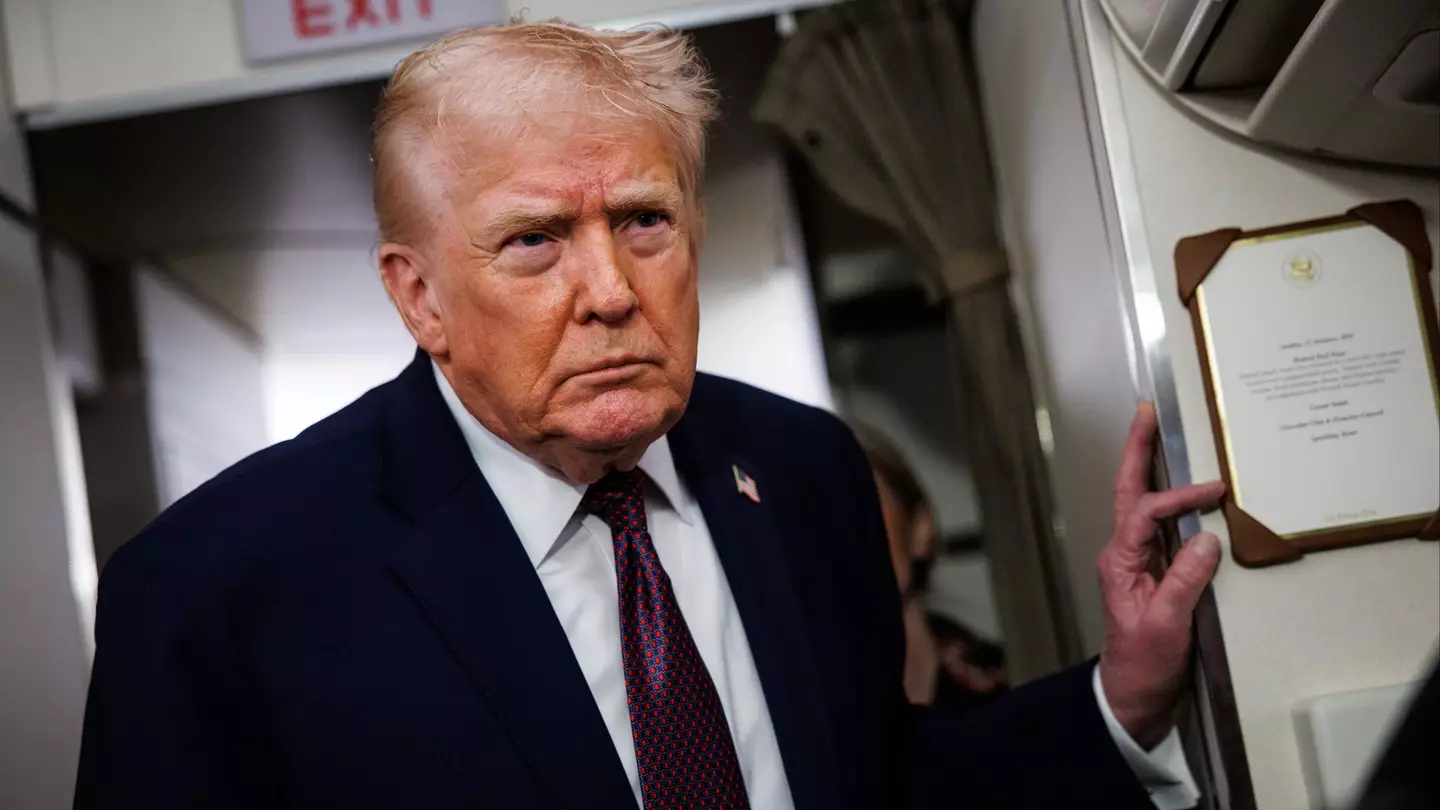
Interviews with voters across rural and suburban areas suggest that frustration extends beyond partisan divides. Several Iowa residents who previously supported Trump said they now view his approach to governance as erratic and overly focused on personal grievances. Concerns about farm policy, health care costs, tariffs, and immigration enforcement were among the most frequently cited issues.
Farmers, in particular, expressed skepticism about Trump’s economic claims. Some said that while they initially supported his trade policies, prolonged tariff disputes disrupted agricultural markets and created financial uncertainty. Others criticized what they described as inconsistent messaging and a lack of long-term planning for rural economies.
That unease was visible during Trump’s public appearances. At a diner event, witnesses described an unusually subdued atmosphere, with limited applause and moments of awkward silence as he addressed the crowd. Later, during a public speech, Trump faced heckling and boos from sections of the audience — a sharp contrast to the enthusiastic rallies that once defined his political rise in the state.
In his remarks, Trump responded confrontationally to protesters, making pointed comments that appeared to further divide the audience. Some attendees said his interactions with the crowd felt strained, with moments of visible irritation and attempts to deflect criticism rather than engage with policy concerns.
The backlash has not been limited to Trump alone. Republican Congresswoman Mariannette Miller-Meeks has also faced increasing voter anger, particularly over her support for Trump’s tariff policies and her votes backing significant Medicaid and health care cuts. At recent town halls, constituents challenged her alignment with national party leadership, arguing that those decisions have had direct negative impacts on Iowa families.
Democrats see an opening. Christina Bohannan, a Democratic challenger in one of Iowa’s competitive congressional districts, argues that voters are rejecting what she describes as extreme partisanship and corporate influence in Washington. She says the recent electoral shifts indicate a desire for pragmatic leadership focused on local economic stability, health care access, and agricultural sustainability.
Political analysts note that Iowa’s changing dynamics do not necessarily signal a wholesale realignment, but rather a state in flux. While Republicans remain competitive, particularly in rural areas, margins have narrowed, and voter volatility has increased — a trend that could make several congressional races highly competitive heading into the midterm elections.
“The takeaway from Iowa isn’t that the state has suddenly turned blue,” said one regional political strategist. “It’s that voters are less willing to give any politician a blank check, including Trump. Loyalty is no longer automatic.”
Trump’s advisers have downplayed the significance of the backlash, insisting that Iowa remains firmly within reach and pointing to strong support among conservative activists. Still, the reaction during his visit suggests that the former president faces a more complicated political environment than in previous cycles.
As midterm campaigns accelerate, Iowa may once again serve as a bellwether — not only for Trump’s influence within the Republican Party, but for the broader question of how voters respond to confrontational leadership in a period marked by economic pressure and political fatigue.