January 20, 2026
LONDON — In a striking display of international discontent, expressions of opposition to President Donald J. Trump reverberated through packed venues on both sides of the Atlantic this weekend, from the raucous interruption of the American national anthem at an NBA game in London to fervent speeches and crowd reactions at a music festival in New Jersey.
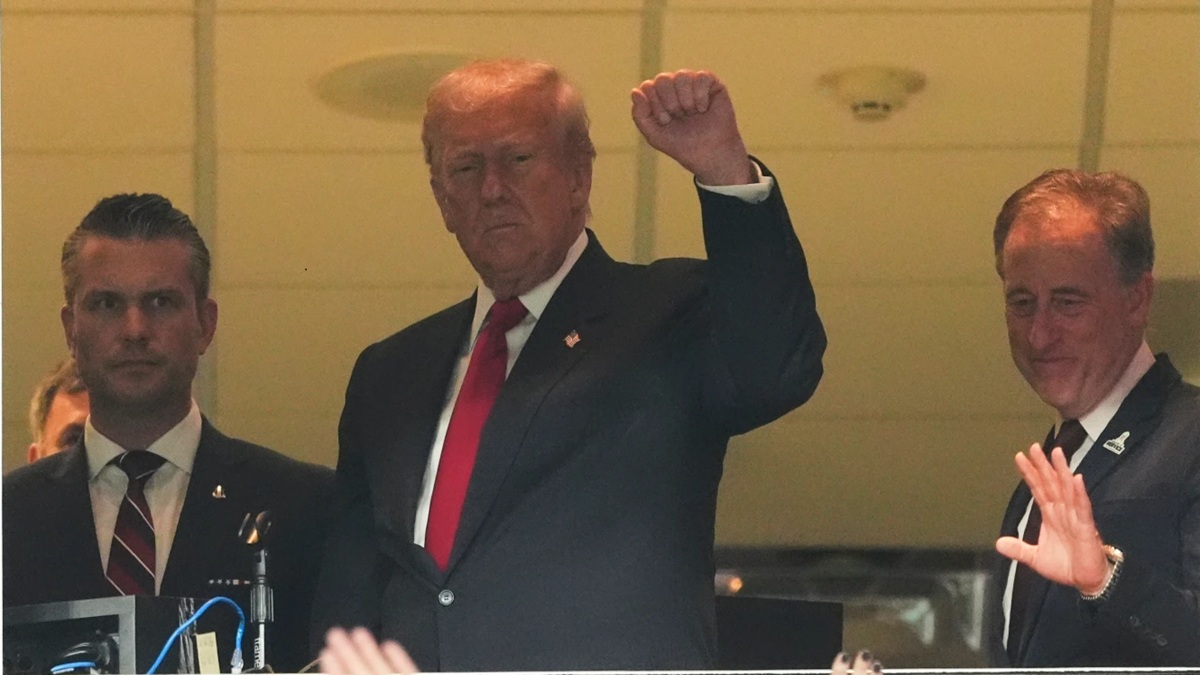
The incidents, unfolding nearly simultaneously, underscored a deepening rift between the United States under Mr. Trump’s second term and segments of the global public, particularly amid his aggressive pursuit of territorial control over Greenland, a semi-autonomous Danish territory.
At London’s O2 Arena on Sunday, actress Vanessa Williams was midway through her performance of “The Star-Spangled Banner” before a regular-season matchup between the Memphis Grizzlies and Orlando Magic when a heckler shouted, “Leave Greenland alone!” The outburst drew immediate cheers and applause from portions of the capacity crowd, with some reports noting scattered boos mingling with the supportive response. Video footage circulated widely on social media showed the moment disrupting the anthem’s solemnity, just after the line about the flag still waving.
The heckle directly referenced Mr. Trump’s repeated assertions that the United States “has to have” Greenland for national security reasons, including to counter perceived threats from Russia and China in the Arctic. In recent days, the president escalated his rhetoric by threatening tariffs — initially set at 10 percent, with plans to rise to 25 percent — on Denmark and several other European nations until a “deal” is reached for the island’s purchase. He has not ruled out the use of force, prompting comparisons by European officials to aggressive territorial claims elsewhere.
European leaders have pushed back firmly. Prime Minister Keir Starmer of Britain called the tariff threats “completely wrong,” while NATO allies, including Canada, have warned that any coercive action against Greenland could invoke Article 5 of the alliance’s treaty, treating an attack on one as an attack on all.
In Greenland’s capital, Nuuk, thousands marched on Saturday in what local officials described as the island’s largest-ever protest. Demonstrators, including Prime Minister Jens-Frederik Nielsen, carried signs reading “Greenland is not for sale” and chanted in defense of self-determination. Similar rallies unfolded in Copenhagen and other Danish cities, with participants waving Greenlandic and Danish flags under the banner “Hands Off Greenland.” Protesters expressed fears of economic coercion and loss of autonomy, with one participant telling reporters, “We do not accept this kind of aggression.”
Across the Atlantic, at the Light of Day Winterfest, a charity music event in Red Bank, New Jersey, Bruce Springsteen made an unannounced appearance and delivered a pointed critique of the Trump administration. The rock icon condemned what he called “Gestapo tactics” in the surge of Immigration and Customs Enforcement operations, referencing the recent fatal shooting of Renee Good, a 37-year-old woman killed by an ICE agent in Minnesota while acting as a legal observer during a protest. Mr. Springsteen dedicated his 1978 song “The Promised Land” to Ms. Good, describing it as a tribute to “the beautiful but flawed country that we are, and to the country that we could be.”
The remarks drew roaring approval from the audience, though a small number of attendees reportedly groaned in dissent. Mr. Trump responded on social media, dismissing Mr. Springsteen as “highly overrated” and a “pushy, obnoxious jerk.”
These episodes stand in contrast to the warmer receptions often afforded to former President Barack Obama at public appearances, where he continues to receive standing ovations. Analysts suggest the polarized reactions reflect broader anxieties over Mr. Trump’s foreign policy — including tariff threats against allies — and domestic enforcement priorities, which have sparked protests and legal challenges.
While Mr. Trump’s supporters point to his “America First” agenda as essential for national security and economic leverage, critics argue the approach is isolating the United States and damaging its global standing. The weekend’s events, amplified by viral videos and international media coverage, appear to have fueled a narrative of widespread rejection.
In Washington, administration officials have downplayed the significance of the crowd reactions, with one spokesperson noting that such incidents occur in polarized times. Yet the convergence of boos in international sports arenas, massive protests in Arctic communities, and high-profile celebrity condemnations suggests Mr. Trump’s policies are generating resistance far beyond traditional political channels.
As transatlantic tensions simmer, the coming weeks may test the resilience of NATO and the durability of alliances long taken for granted. For now, the message from stadiums, streets, and stages appears unmistakable: significant portions of the world are watching — and voicing dissent.