Ottawa/Toronto – In a bombshell comment delivered Tuesday during a tour of a Ford Motor Company plant in Dearborn, Michigan, U.S. President Donald Trump dismissed the Canada-United States-Mexico Agreement (CUSMA, known as USMCA in the U.S.) as “irrelevant” to American interests. “There’s no real advantage to it — it’s irrelevant,” Trump declared to reporters. “Canada would love it. Canada wants it. They need it.” He added pointedly, “We don’t need cars made in Canada, we don’t need cars made in Mexico, we want to make them here,” emphasizing his push to reshore manufacturing to U.S. soil.
The remarks, made on January 13, 2026, sent immediate shockwaves through Canadian markets and government circles. With the mandatory six-year review of CUSMA looming — requiring agreement by July 1, 2026, to extend the pact for another 16 years or face potential expiration — Trump’s indifference has heightened fears of renegotiation, major concessions, or even outright termination. This comes amid a turbulent year of U.S. tariffs on Canadian goods, including 35% on non-CUSMA-compliant imports, 10% on energy and potash, and targeted levies on steel, aluminum, and autos — measures justified under national security and border concerns but widely seen as leverage in trade talks.
Canada’s economy remains deeply intertwined with the U.S., its largest trading partner. Bilateral trade exceeds $800 billion annually (based on 2025 estimates), with roughly 75% of Canadian exports heading south. The integrated North American supply chains, particularly in autos, energy, and manufacturing, have been built over decades under NAFTA and its successor CUSMA. The agreement provides tariff-free access for compliant goods, shielding much of this flow from punitive duties. Trump’s dismissal threatens this stability, as any disruption could trigger higher costs, supply chain chaos, and job losses.
The auto sector stands to suffer the most. Canada’s industry relies heavily on cross-border parts and assembly, with major plants in Ontario producing vehicles for the U.S. market. Detroit’s Big Three — Ford, GM, and Stellantis — have urged extension of CUSMA, warning that integrated production delivers billions in annual savings and global competitiveness. Trump’s claim that “Americans don’t need” Canadian-made cars echoes his broader “America First” agenda, which has already imposed 25% tariffs on non-U.S. content in vehicles from Canada and Mexico. If CUSMA expires or is renegotiated unfavorably, these costs could rise further, potentially leading to plant closures, layoffs, and reduced investment. Analysts estimate that a full breakdown could shave billions off Canada’s GDP, exacerbating the slowdown already felt from prior tariff rounds.

Energy and resources face similar risks. Canada supplies a significant portion of U.S. crude oil, natural gas, and critical minerals like uranium and aluminum. While some exemptions exist, Trump’s rhetoric suggests pressure for concessions on market access (e.g., dairy supply management) or non-trade issues like migration and digital services taxes. If talks stall, Canada could lose preferential treatment, forcing exporters to absorb higher duties or seek alternative markets — a challenging pivot given U.S. dominance.
Broader economic fallout includes currency pressure on the Canadian dollar (loonie), which has shown resilience but remains vulnerable to trade uncertainty. Economists from firms like Desjardins predict a “status quo” outcome in 2026 if negotiations avoid major ruptures, with government infrastructure spending helping offset private sector caution. However, prolonged uncertainty could dampen investment, slow growth, and contribute to inflation as input costs rise.
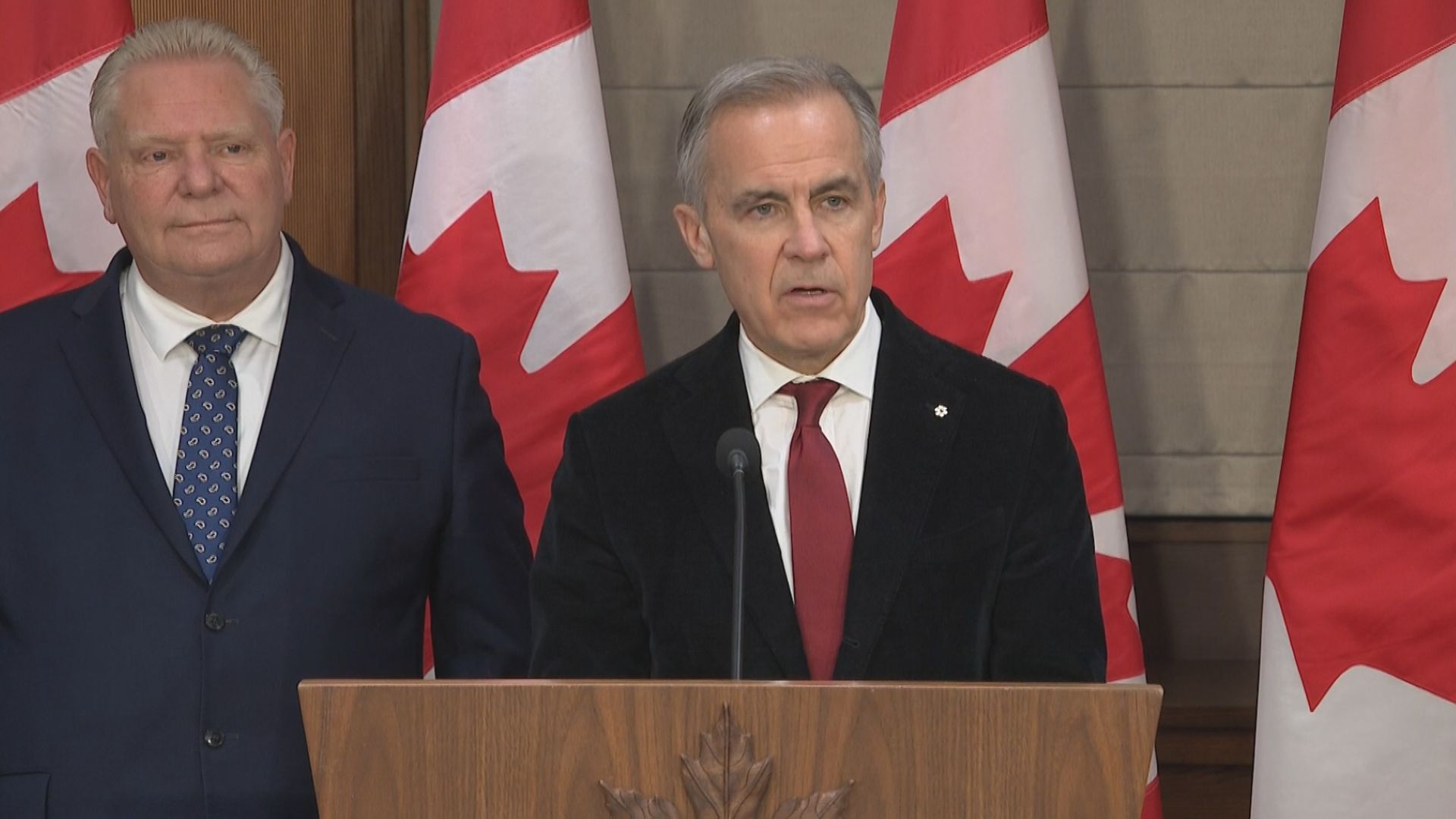
Prime Minister Mark Carney’s government has downplayed panic, framing the review as an opportunity for dialogue while signaling leverage in critical minerals and energy security. Canada has diversified somewhat — pursuing closer ties with Europe via CETA and Asia — but U.S. dependence remains acute. Opposition voices warn that Trump’s comments signal a “zombie” CUSMA: neither fully alive nor dead, limping along with exemptions but under constant threat of sectoral tariffs.
The stakes are immense. North American trade supports millions of jobs across borders, with integrated chains boosting efficiency and competitiveness against global rivals like China. A collapse would reverse decades of progress, raising prices for consumers, disrupting manufacturing, and weakening continental resilience amid geopolitical tensions.

As formal talks ramp up in mid-January, the coming months will test whether Trump’s leverage yields concessions or sparks a deeper rift. For now, his “irrelevant” label has placed Canada’s economy on high alert — a stark reminder that in the era of unilateral tariffs and “America First,” even the closest alliances are not immune to disruption.
The review’s outcome could define North American economic integration for a generation. Canada must navigate carefully, balancing defense of core interests with pragmatic engagement, lest the pact that once symbolized partnership becomes a casualty of shifting U.S. priorities.