Debate Grows Over Vaccine Messaging as Measles Cases Rise and Trump Allies Shift Tone
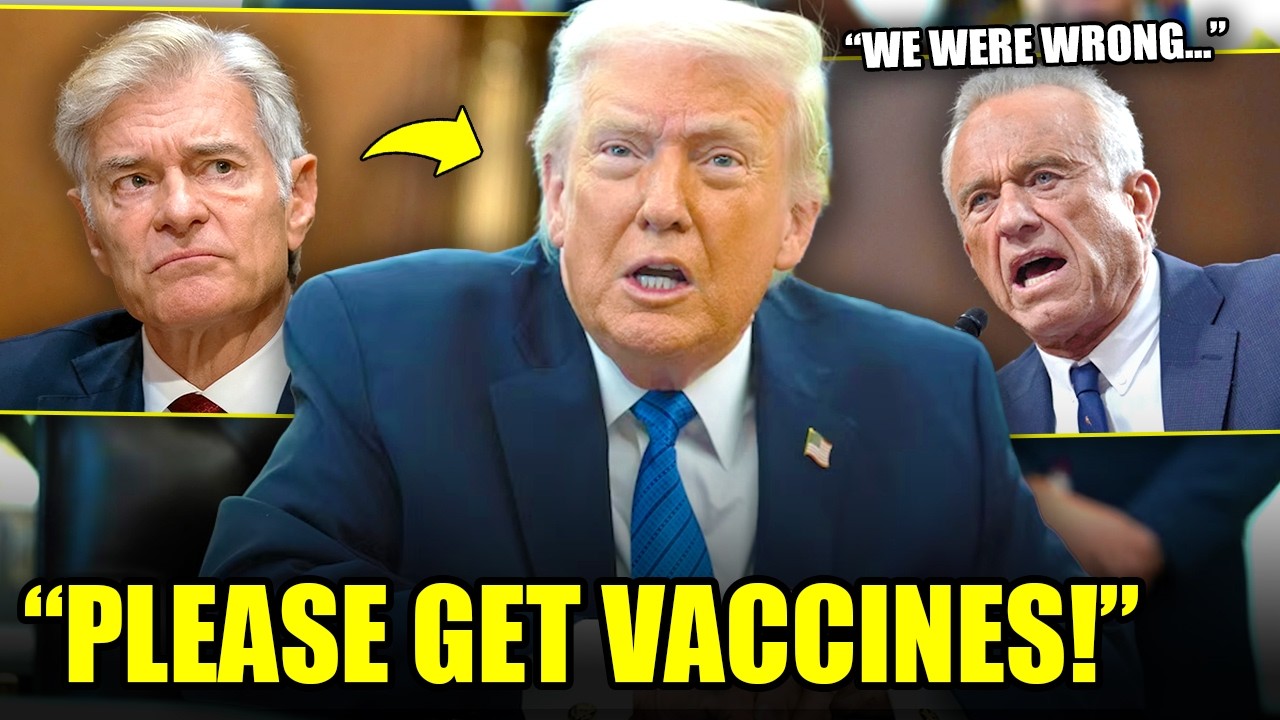
A renewed national debate over vaccines and public health messaging is gaining momentum as reported measles cases rise in multiple U.S. states. Recent media appearances by high-profile figures — including Dr. Mehmet Oz and officials connected to Trump-aligned health policy circles — have drawn attention to what critics describe as a shift in tone toward stronger pro-vaccination messaging.
The discussion comes amid broader political and cultural disagreements over vaccine policy, parental choice, and public health mandates.
Rising Measles Cases Renew Public Health Concerns
Health commentators cited in recent broadcasts say measles cases are climbing compared with recent years, with outbreaks reported in several regions. Public health experts frequently note that measles is highly contagious and that community vaccination levels play a key role in preventing spread.
Medical authorities have long stated that:
-
Measles spreads easily through airborne transmission
-
Community immunity typically requires very high vaccination coverage
-
Outbreak risk rises when vaccination rates fall in localized areas
Some analysts argue that declining childhood vaccination rates in certain communities are contributing to renewed vulnerability.

Dr. Oz Urges Vaccination in Recent Interviews
In televised interviews referenced in the transcript, Dr. Mehmet Oz publicly encouraged measles vaccination, stating that vaccines remain an available and effective tool against the disease. He emphasized access and encouraged families to use available immunization programs.
Clips circulating online show Oz saying plainly: “Take the vaccine, please.”
This messaging has drawn attention because critics say it contrasts with his earlier skepticism toward vaccine mandates and his past emphasis on individual decision-making between doctors and parents.
Supporters respond that opposing mandates is not the same as opposing vaccines themselves, and that medical choice and vaccine access can coexist.
RFK Jr. and Vaccine Skepticism Debate Reignites
The transcript also references renewed scrutiny of Robert F. Kennedy Jr.’s long-standing vaccine skepticism and his past association with advocacy organizations critical of vaccine policy. Media outlets and public health commentators continue to debate his influence on vaccine discourse both in the U.S. and internationally.
Claims discussed in political media coverage include:
-
Past anti-mandate advocacy
-
Disputes over testimony and public statements
-
Debate over the role of advocacy groups in shaping vaccine perceptions
Kennedy and his supporters have repeatedly said their position focuses on safety review and medical transparency rather than blanket opposition to vaccines. Critics strongly dispute that characterization.
Experts Warn of Politicized Health Messaging
Several public health experts interviewed across major networks argue that vaccine communication has become increasingly politicized. They warn that when medical guidance becomes tied to political identity, public trust can fragment.
Common expert concerns include:
-
Mixed messaging from political figures
-
Confusion between mandate policy and vaccine science
-
Social media amplification of partial information
-
Declining trust in institutions
Other analysts counter that skepticism toward mandates reflects legitimate civil liberty concerns and should not automatically be equated with anti-science positions.
Mandates vs. Medical Choice: The Core Divide
A central tension in the debate is the difference between:
Vaccine support vs. vaccine mandates
Some Trump-aligned voices have argued:
-
Parents and physicians should decide together
-
Government mandates should be limited
-
Education should be prioritized over enforcement
Public health advocates respond that highly contagious diseases sometimes require mandate policies to maintain herd immunity thresholds, especially in school settings.