Bill Maher Criticizes Trump Over Controversial Obama Meme as Media Firestorm Grows
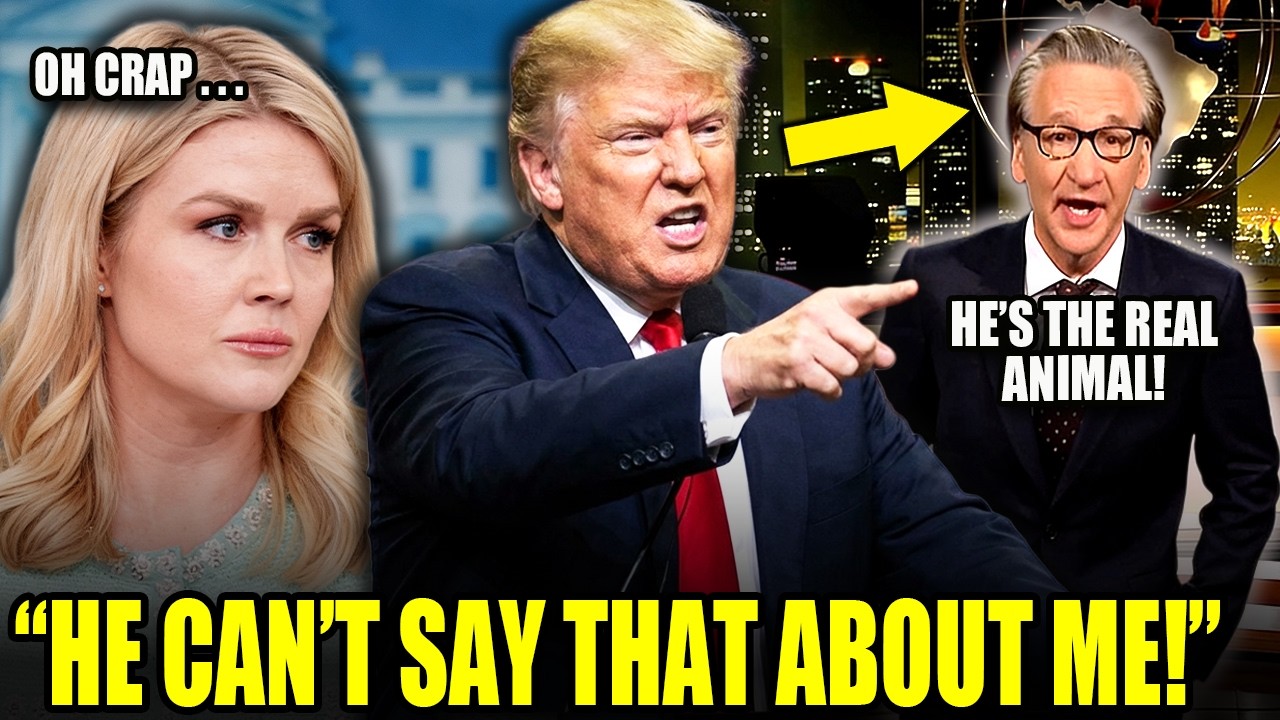
A new political media controversy erupted after former President Donald Trump shared — and later deleted — a widely criticized meme involving former President Barack Obama and Michelle Obama. The post triggered strong reactions across news networks, late-night television, and political commentary programs, including sharp criticism from comedian and HBO host Bill Maher.
The incident has since fueled debate about political rhetoric, online amplification, media accountability, and the standards applied to public figures.
What Sparked the Controversy
According to multiple broadcast reports and political commentary shows, Trump reposted a meme that critics described as racially offensive. The content circulated briefly on social media before being removed.
News anchors and commentators characterized the imagery as inappropriate and inflammatory. Some networks chose not to air the visual itself while still reporting on the backlash surrounding it.
Trump later said he did not view the full content before it was reposted and stated that it was removed once staff recognized the objectionable portion.
Bill Maher Calls Out Political “Double Standards”
During a recent segment, Bill Maher criticized what he described as partisan double standards in reactions to controversial political imagery and satire. Maher argued that political tribes often excuse conduct from their own side while condemning similar behavior from opponents.
His commentary focused less on partisan alignment and more on what he framed as hypocrisy in political outrage cycles. Maher has a history of criticizing both conservative and liberal figures, often positioning himself as an independent critic of ideological loyalty.
Key themes from Maher’s remarks included:
-
Selective outrage in political media
-
Inconsistent standards across parties
-
The role of satire vs. offense
-
Responsibility of public officials in reposting content
Trump Responds: No Apology, Says Post Was Not Fully Reviewed
When asked by reporters about the deleted post, Trump said he only reviewed the beginning portion of the video/meme and did not see the controversial ending before it was shared. He stated that once concerns were raised, it was taken down.
He declined to apologize, saying he did not believe he had made a mistake personally and that staff handling contributed to the repost decision.
That response generated additional debate, with critics arguing that deletion implies acknowledgment of a problem, while supporters argued that removal once flagged is a reasonable corrective action.

Media Reaction and Republican Voter Response
The controversy received heavy coverage across cable news and political talk programs. Some hosts labeled the content explicitly offensive, while others focused more on process and intent.
Call-in segments on public affairs programs also featured mixed reactions from viewers, including at least one self-identified Republican caller in the transcript who expressed disappointment and regret over continued controversy surrounding Trump’s online behavior.
Analysts note that these moments — while media-intense — often deepen existing partisan divides rather than change entrenched positions.
The Broader Issue: Political Content and Amplification
This episode highlights a recurring modern campaign risk: rapid amplification of reposted content before full verification or review. Experts in political communications say repost culture creates three recurring problems:
-
Speed over scrutiny
-
Staff vs. principal accountability confusion
-
Narrative escalation before fact review
Late-night hosts and political commentators frequently act as accelerants in these cycles, turning digital incidents into cultural flashpoints.
Ongoing Debate Over Standards and Responsibility
The larger debate continues to center on expectations for public figures online:
-
Should leaders be held responsible for reposted third-party content?
-
Does deletion without apology resolve harm?
-
Are media reactions consistent across parties?
-
Where is the line between satire and offense?
Those questions — more than the single post — are likely to keep the story alive across opinion media and campaign discourse.