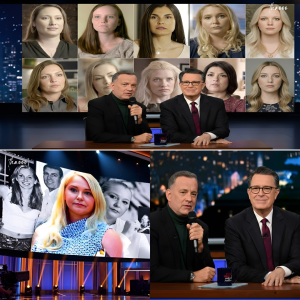
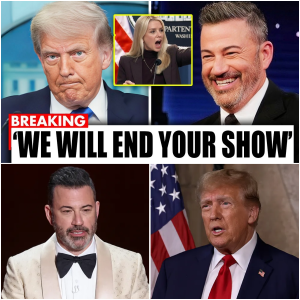
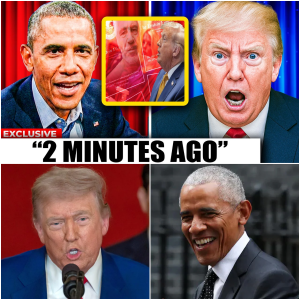
A Viral “Colbert vs. Trump” Clip Shows How Talk-Show Politics Is Being Rewritten by Fabricated Storytelling
A new YouTube video promising a sharp, live on-air reversal — “Donald Trump Mocks Stephen Colbert LIVE — 20 Seconds Later the Crowd TURNS on Him” — is less a record of a televised moment than a case study in how political entertainment is increasingly repackaged as cinematic fiction.
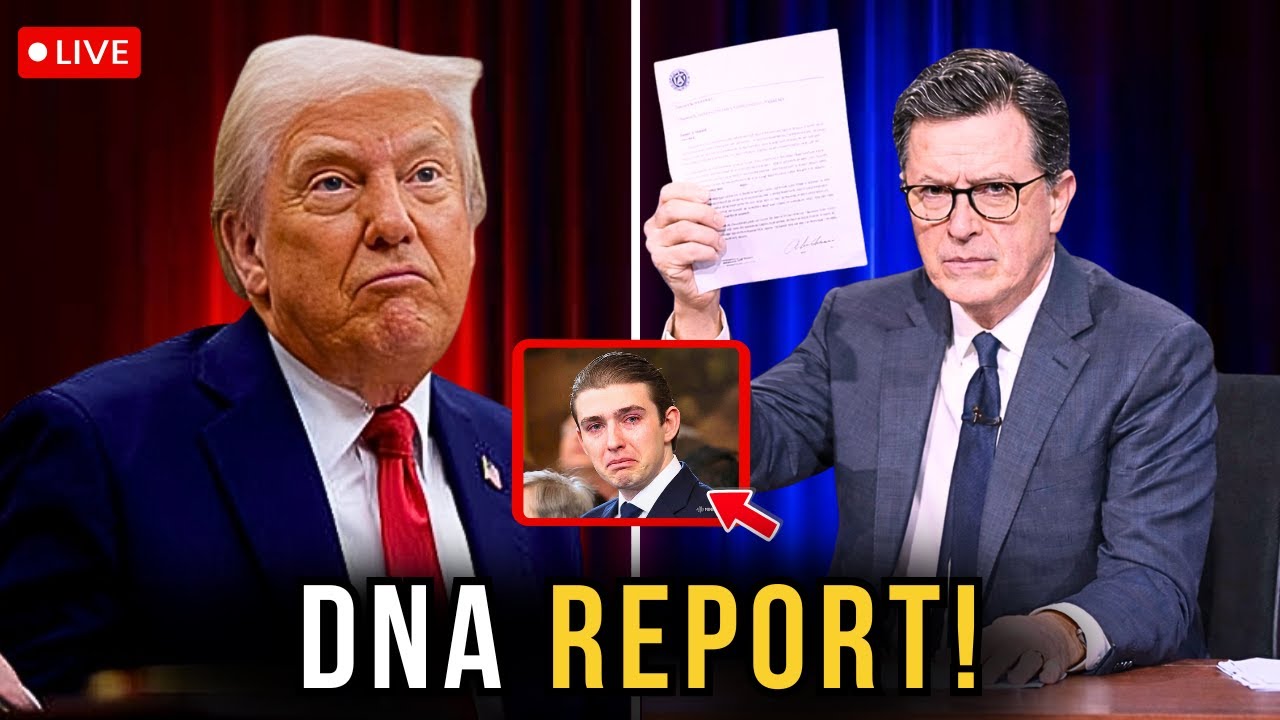
The transcript attached to the video reads like a screenplay: studio lights, swelling applause, a host “calm but alert,” and a climactic prop — a “document” said to “fundamentally alter the conversation.” The alleged revelation is sensational and deeply personal, presented as a “DNA analysis” involving Trump’s family. But the format is telling. It relies on dramatic pacing, internal monologue (“beneath the surface, something felt different”), and the language of inevitability (“verified,” “unambiguous”) to create authority without providing verifiable sourcing.
That pattern mirrors a broader ecosystem of internet rumor and “truth-adjacent” content that has surrounded the Trump family for years: claims about “body doubles,” lookalike photos, and other conspiratorial narratives that travel fast because they are easy to dramatize. Multiple fact-checkers have repeatedly debunked versions of the so-called “Fake Melania” theory, finding no evidence for claims that a double routinely replaced Melania Trump in public appearances. Snopes has also compiled and addressed a wider set of recurring, viral rumors about Barron Trump — an indication of how frequently unverifiable claims are recycled into “new” content.

Crucially, the transcript’s “document drop” is not presented with the basic markers of journalism: no named lab, no court record, no published report, no corroborating outlet, no date, no chain of custody, no verifiable clip from a broadcast. Instead, it leans on the aesthetics of proof — the calm host, the sudden silence, the crowd’s “gasps” — to substitute for proof itself.
That is not to say late-night television avoids politics or sharp critique. Colbert’s show has long used satire to frame political behavior, and Trump has appeared on “The Late Show” in the past — notably in 2015, when coverage emphasized how the candidate’s instincts for performance shaped the exchange. But there is a difference between satire rooted in public record and viral storytelling that attributes explosive “scientific” claims to real people without evidence.
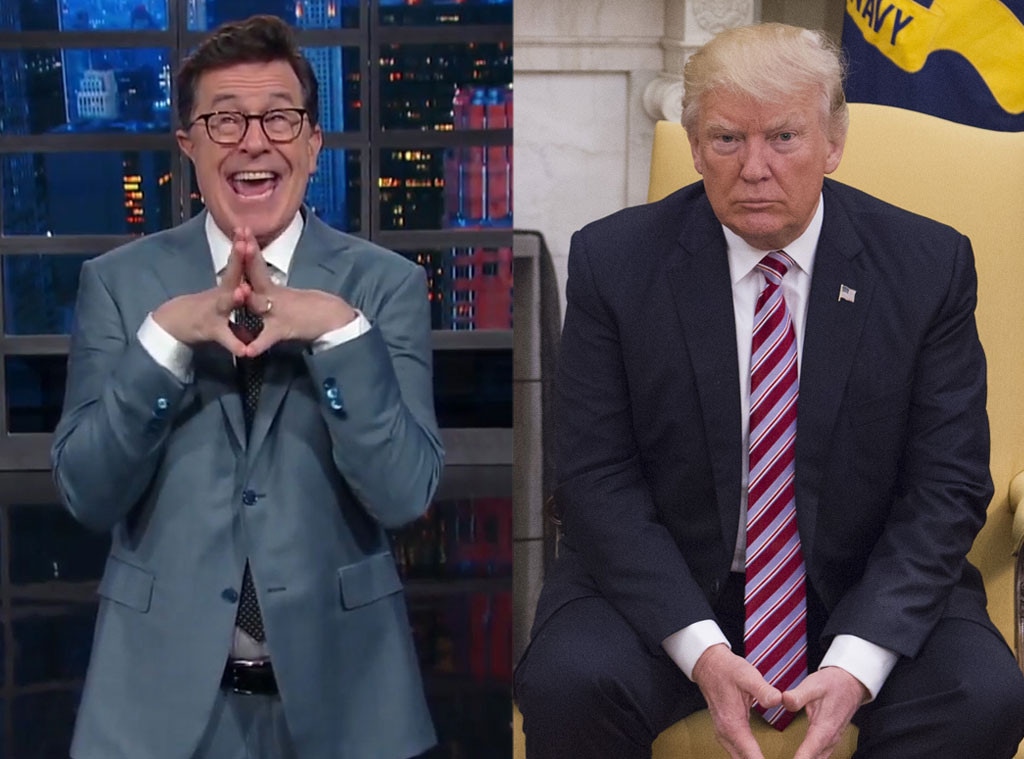
The market for such videos is powered by a familiar loop: a provocative title, a narrative of humiliation, and a promise that “truth” arrived in one perfect, shareable moment. The details are engineered for emotional certainty — the audience “turns,” the powerful figure “wavers,” the host delivers the closing moral (“Humor doesn’t change facts”) — even as the underlying “facts” remain uncheckable.
What these clips exploit is not simply partisanship, but the modern attention economy’s preference for plot over documentation. In that economy, the most viral “political moment” may be the one that never happened — but feels, to a primed audience, as if it should have.