ILL CLINTON DEFIES CONGRESS in EPSTEIN PROBE as EXPLOSIVE QUESTIONS SWIRL and TRUMP IS DRAGGED BACK INTO THE FIRESTORM
Washington is once again consumed by the Jeffrey Epstein scandal after former President Bill Clinton and former Secretary of State Hillary Clinton refused to testify before the House Oversight Committee. Their sudden decision to defy congressional subpoenas has reignited political tensions on Capitol Hill, triggered legal uncertainty, and poured fresh gasoline on a scandal that many believed was fading from the spotlight.
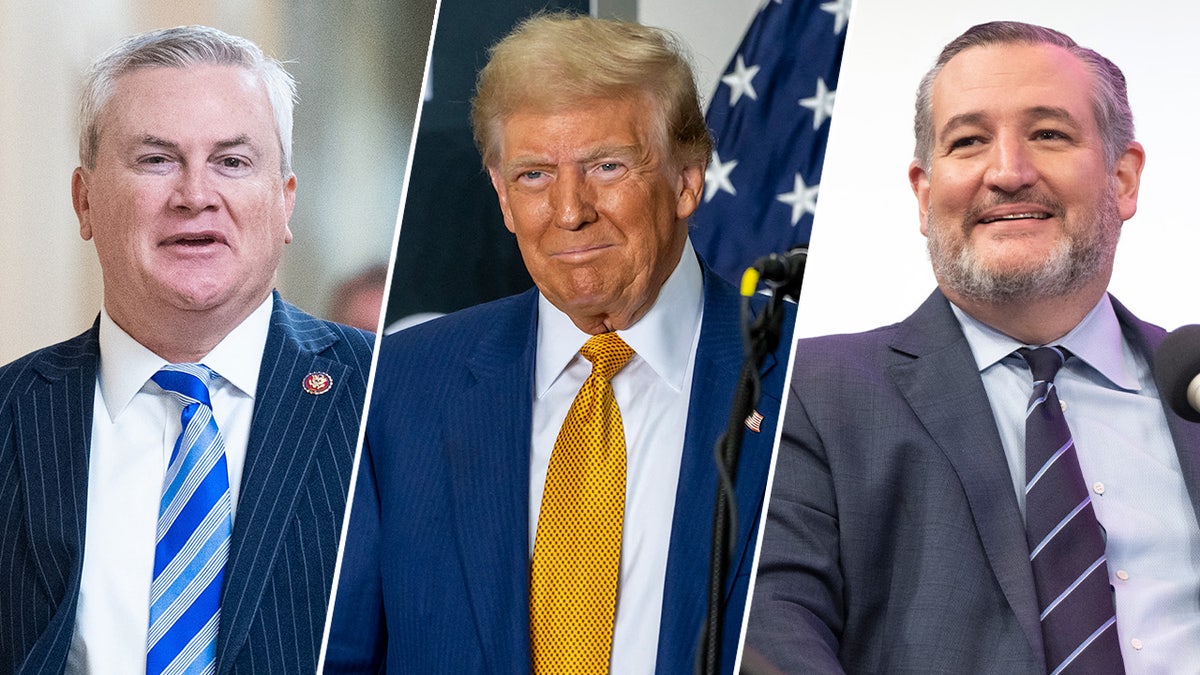
The Clintons were scheduled to give depositions as part of a bipartisan congressional investigation into Epstein’s network and potential legislative reforms related to sex trafficking. Instead, they sent a sharply worded letter blasting the inquiry as “politically motivated,” declaring that they would not appear and accusing House Republicans of weaponizing subpoenas to embarrass political rivals. The move immediately raised the stakes, turning a procedural dispute into a national political confrontation.
House Oversight Chair James Comer insists the committee still has “serious unanswered questions,” particularly regarding Epstein’s relationships with powerful political figures. While Bill Clinton has not been formally accused of any crime, recently released Epstein-related documents and photographs—some showing Clinton alongside unidentified women with redacted faces—have fueled public scrutiny. Lawmakers argue that witnesses can be subpoenaed for information, not just wrongdoing, and stress that the vote to subpoena the Clintons was bipartisan and unanimous.
Legal experts warn the Clintons are taking a significant risk. According to former federal prosecutor Ellie Honig, the subpoenas remain legally valid unless a court rules otherwise. By refusing to appear before challenging them in court, the Clintons could face a contempt of Congress vote—an escalation that could ultimately land the case at the Justice Department’s doorstep. Criminal contempt is rare but not unprecedented, and the option remains firmly on the table.

Behind the legal drama lies a deeper political battle. Republicans argue the testimony is essential to evaluating future sex trafficking legislation, while the Clintons counter that Congress is merely fishing for political damage. Yet critics note that refusing to testify only intensifies suspicion and ensures the Epstein story remains in the headlines—precisely what many establishment figures hoped to avoid.
The controversy has also pulled Donald Trump back into the Epstein narrative. Commentators and critics point out that the Justice Department has yet to release all Epstein-related files, despite repeated public demands. The Clintons’ defiance has redirected attention toward unanswered questions about why documents remain sealed and who, exactly, is being protected. In the court of public opinion, silence is once again being interpreted as strategy.
Politically, the episode cuts both ways. On one hand, refusing to testify risks reinforcing perceptions that powerful elites operate above accountability. On the other, the Clintons’ move has shifted pressure back onto Trump-era officials and the DOJ, forcing renewed debate over transparency, selective disclosure, and political interference in high-profile investigations.
As Congress weighs its next steps, one thing is clear: the Epstein scandal is far from over. Whether through court battles, contempt proceedings, or further document releases, the clash between Congress, the Clintons, and lingering questions surrounding Trump ensures this explosive saga will continue to dominate headlines—dragging some of the most powerful names in American politics back into an unresolved and deeply uncomfortable spotlight.