Democrats Intensify Calls for Impeachment After U.S. Strike on Venezuela
WASHINGTON — In the wake of a controversial unilateral military operation by the United States that resulted in the capture of Venezuelan President Nicolás Maduro, a growing chorus of Democratic lawmakers has raised the prospect of impeaching President Trump, citing what they describe as a grave violation of constitutional war powers.
The operation, conducted over the weekend without prior congressional authorization or notification, has ignited fierce debate on Capitol Hill and beyond. Critics in both parties have questioned the legality and wisdom of the strike, which administration officials defended as necessary to address threats posed by Maduro’s regime. But it is the Democratic response — including explicit calls for impeachment and invocations of the 25th Amendment — that has thrust the issue into the forefront of partisan warfare just days into the new year.
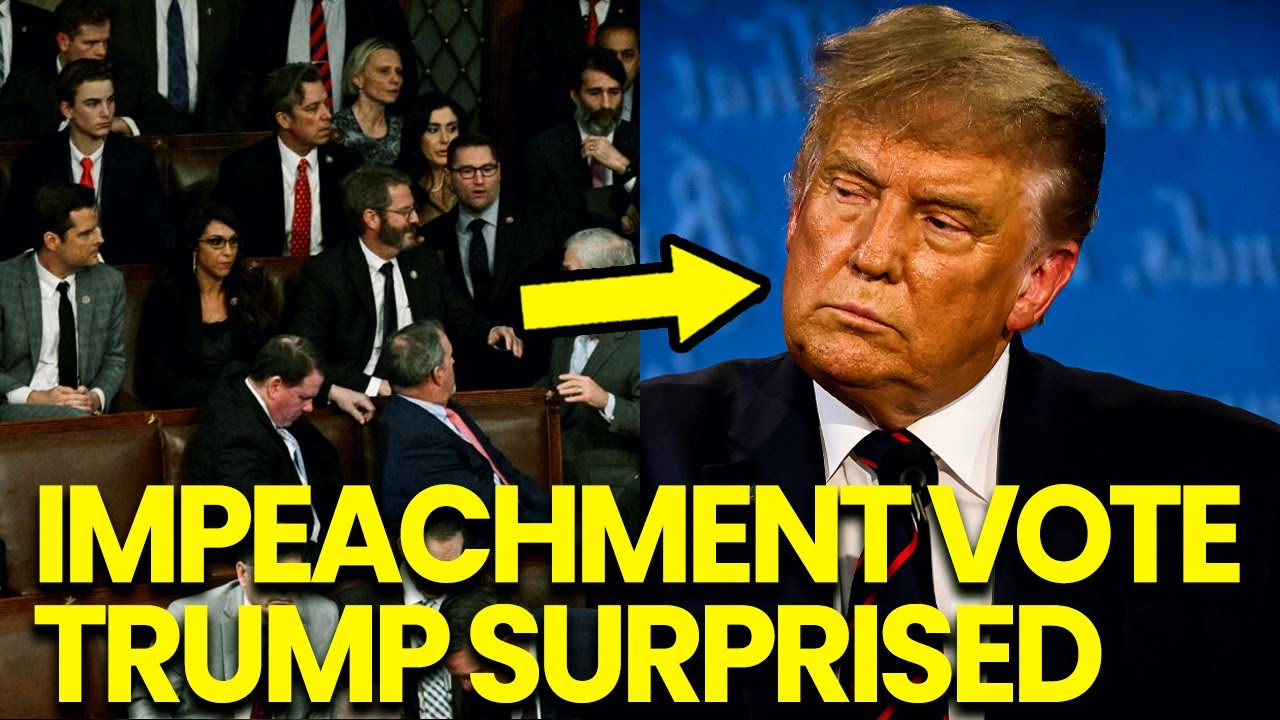
Representative Delia Ramírez, Democrat of Illinois, was among the most direct, declaring in a statement that “Trump must be impeached” for what she termed “war crimes” in Venezuela. She urged Congress to reassert its authority over declarations of war and to pass legislation curbing executive overreach in military affairs.
Other Democrats echoed the sentiment. Representative Dan Goldman of New York called the action “a violation of the United States Constitution” and labeled it “an impeachable offense.” Representative Jared Huffman of California went further, suggesting the episode placed the country in “25th Amendment territory,” referring to the constitutional mechanism for removing a president deemed unfit for office. Representative Gil Cisneros of California texted reporters bluntly: “The President has lost his mind.”

Senate Minority Leader Chuck Schumer and House Minority Leader Hakeem Jeffries, in a joint statement, stopped short of endorsing impeachment but demanded immediate classified briefings for congressional leaders “early next week.” They criticized the lack of consultation, arguing that such actions undermine democratic norms and risk escalating international tensions without legislative oversight.
The backlash comes against the backdrop of repeated, though unsuccessful, attempts to impeach Mr. Trump during his second term. In 2025, House Democrats like Representatives Al Green of Texas and Shri Thanedar of Michigan introduced multiple resolutions alleging abuses of power, including threats against lawmakers and judges. Those efforts were swiftly tabled by the Republican majority, often with some Democratic support for postponement to allow for more formal investigations.

House Speaker Mike Johnson, Republican of Louisiana, dismissed the latest calls as partisan posturing. In recent weeks, Mr. Johnson has warned supporters that a Democratic takeover of the House in the 2026 midterms could lead to renewed impeachment proceedings, framing it as a reason to mobilize Republican voters. “If we lose the House majority, the radical Left is going to impeach President Trump,” he said at a conservative conference last month. “They’re going to create absolute chaos.”
White House officials have defended the Venezuela operation as a targeted action against a dictator accused of harboring criminal networks threatening U.S. interests. Press secretary Karoline Leavitt described it as “decisive leadership” to protect American security, rejecting claims of constitutional overreach.

Yet the episode has revived longstanding tensions over executive war powers, a debate intensified since the post-9/11 era and Mr. Trump’s first term. Legal scholars note that while presidents have often initiated military actions without formal declarations of war, the scale and unilateral nature of this strike — involving the effective removal of a foreign head of state — raise novel questions about congressional prerogatives under Article I of the Constitution.
Senator Tim Kaine, Democrat of Virginia, announced that his bipartisan resolution to limit war powers in Venezuela would come up for a Senate vote soon, potentially forcing Republicans to take a public stance.
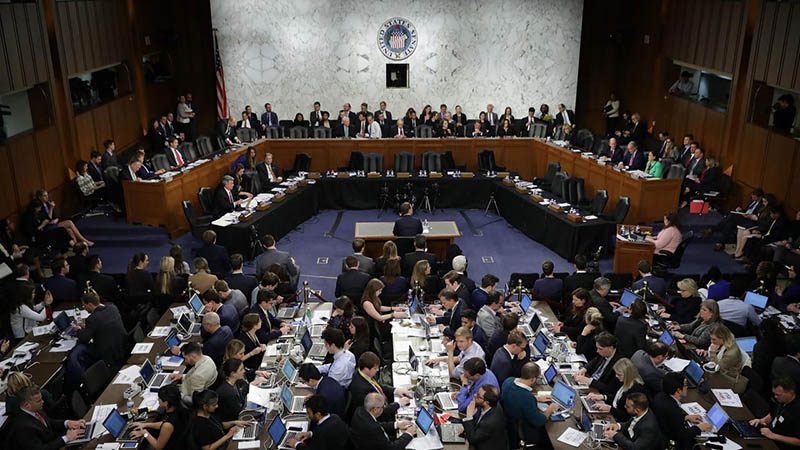
As Congress returns from recess this week, the Venezuela strike is likely to dominate hearings and floor debates. While impeachment remains a remote possibility in the current Republican-controlled House, the rhetoric underscores deepening divisions. Democrats, facing pressure from their base for more aggressive checks on the administration, appear increasingly willing to wield the tool — even as party leaders caution against premature action without exhaustive inquiry.
For Mr. Trump, who has survived two impeachments and multiple investigations, the latest furor represents another chapter in a presidency defined by confrontation with institutional constraints. Allies rally around him as a strong leader; detractors warn of creeping authoritarianism.
The coming weeks will test whether this latest crisis fades into the partisan noise or escalates into a full-fledged constitutional showdown, with implications not only for U.S. foreign policy but for the balance of power in a polarized Washington.