BREAKING: Attorney General Pam Bondi Accused of Blocking Release of Jack Smith’s Mar-a-Lago Findings as DOJ Moves to Bury Volume Two
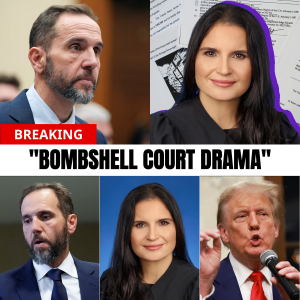
Washington, D.C. — The controversy surrounding former President Donald Trump’s handling of classified documents has entered a new and alarming phase, as Attorney General Pam Bondi and the Department of Justice are now accused of actively preventing the public release of Volume Two of Special Counsel Jack Smith’s report—the section detailing Trump’s alleged retention of classified materials at Mar-a-Lago and subsequent obstruction of justice.
What began as a procedural dispute has evolved into accusations of an unprecedented cover-up, with critics warning that the DOJ has effectively aligned itself with Trump’s personal legal interests to keep damaging facts permanently hidden from the American public.
Why Volume Two Matters
Volume Two of Jack Smith’s final report focuses exclusively on the Mar-a-Lago classified documents case—including allegations that Trump unlawfully retained sensitive national security materials, concealed them from federal authorities, and obstructed efforts to retrieve them.
Legal experts have long described this case as one of the most straightforward criminal matters ever brought against a former president. Unlike the January 6 investigation, which involved complex constitutional and political questions, the Mar-a-Lago case centered on physical evidence, surveillance footage, witness testimony, and documented obstruction.
Yet despite its significance, Volume Two remains under seal, inaccessible to Congress and the public.
Judge Eileen Cannon’s Extraordinary Grip on a Dismissed Case
At the center of the dispute is U.S. District Judge Eileen Cannon, a Trump appointee who dismissed the Mar-a-Lago case more than a year ago. Despite that dismissal, Cannon has continued to assert jurisdiction over all filings related to the case, including Jack Smith’s report.
For more than a year, Cannon took no action regarding the release of Volume Two. Only after pressure from the 11th Circuit Court of Appeals, which questioned why the matter remained unresolved, did Cannon issue a briefing schedule—pushing substantive decisions into late January or February.
Critics argue this delay was not neutral but strategic.
DOJ Threatened Jack Smith Over Testimony
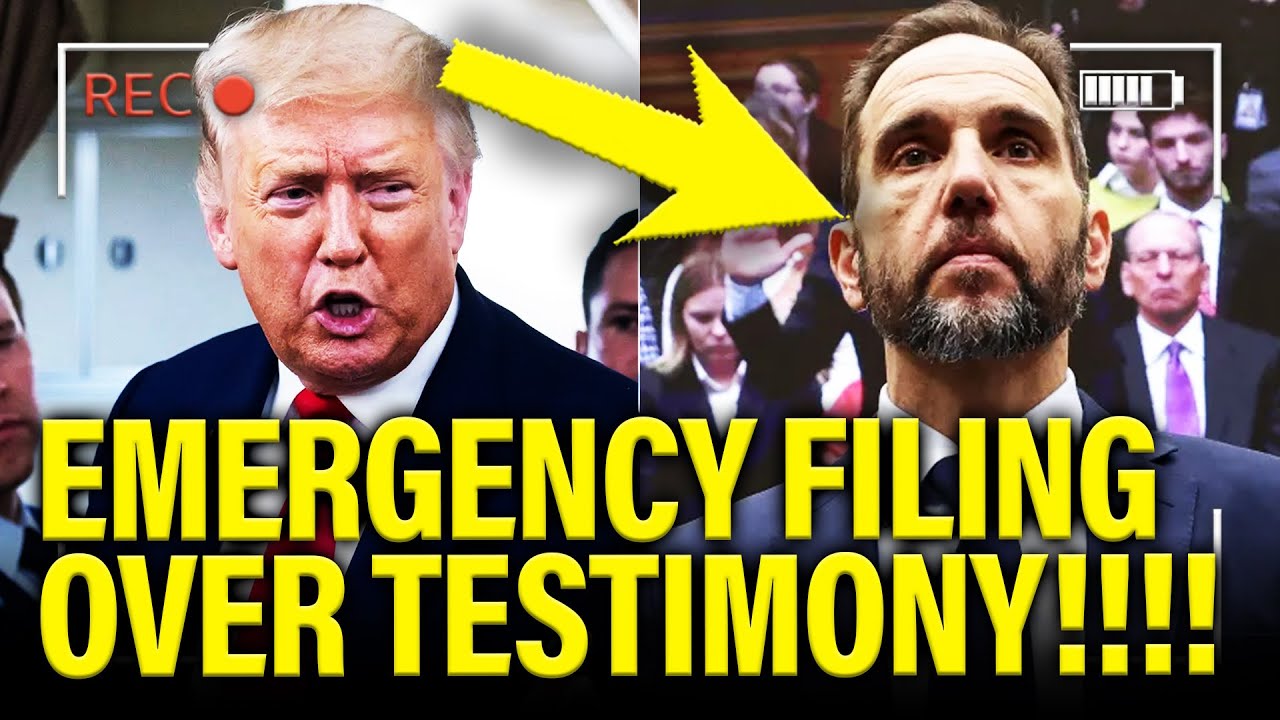
The situation escalated during Jack Smith’s recent congressional testimony. Although Smith appeared before Congress, the DOJ forbade him from discussing anything related to Volume Two.
According to records entered into the congressional record, the DOJ warned Smith that if he disclosed any information deemed “under seal,” he could face prosecution—even imprisonment. When Smith asked for guidance on what he could safely discuss, the DOJ reportedly refused to provide clarification.
The result: Smith testified only about the January 6 investigation, leaving lawmakers unable to question him about the classified documents case.
This marked the first time in U.S. history that a special counsel was effectively silenced from discussing their own investigation before Congress.
DOJ’s New Position: Volume Two Should Never Be Released
The most explosive development came in the DOJ’s formal filing before Judge Cannon.
In its response, the Department of Justice explicitly sided with Donald Trump, the former defendant, arguing that Volume Two should never be released outside the DOJ. The filing claims the entire report constitutes “internal deliberative communications” protected by privilege.
The DOJ went further, declaring Jack Smith’s investigation “unlawful from its inception” and accusing him of weaponizing the justice system—despite decades of precedent upholding the legality of special counsel investigations.
Legal scholars were stunned.
“This is the prosecution becoming the defense,” one former federal prosecutor noted. “It’s almost unheard of.”
A Collusive Legal System?
Former federal prosecutors and constitutional scholars now describe the situation as collusive litigation—a scenario in which the supposed opposing parties are, in reality, working together.
Here, the DOJ and Trump’s legal team are advancing identical arguments to suppress evidence. Judge Cannon, meanwhile, appears poised to accept those arguments without meaningful scrutiny.
The implications are profound. If no party appeals Cannon’s eventual ruling—and the DOJ has no incentive to do so—the 11th Circuit may never review the decision. That could allow Volume Two to remain buried indefinitely.
Congress Pushes Back
Democratic lawmakers are not backing down.
Representative Jamie Raskin, ranking member of the House Judiciary Committee, has formally notified committee leadership of his intent to recall Jack Smith once restrictions are lifted. Under House rules, the minority party has the right to call witnesses, and Raskin has signaled he will exercise that authority.
Still, without judicial relief, Smith’s hands remain tied.
Why This Is Bigger Than Trump
This controversy extends far beyond Donald Trump.
If the DOJ can retroactively declare a special counsel investigation illegitimate—and permanently suppress its findings—then no future investigation of presidential misconduct is safe.
The Constitution assumes good faith. It assumes prosecutors act independently, judges rule impartially, and the public ultimately learns the truth. Critics argue those assumptions are collapsing under the weight of partisan capture.
As one former prosecutor put it:
“The system was never designed to handle a lawless Department of Justice.”
Transparency vs. Erasure
Supporters of secrecy argue the deliberative process privilege must be protected. But that privilege is qualified, not absolute—and it traditionally yields when the public interest is overwhelming.
Few cases carry greater public importance than whether a former president unlawfully retained classified documents and obstructed justice.
The concern now is that history itself is being rewritten—not through acquittal or exoneration, but through erasure.
The Bottom Line
-
Jack Smith completed a detailed report on Trump’s Mar-a-Lago conduct.
-
Judge Eileen Cannon has kept it sealed long after dismissing the case.
-
The DOJ, under Attorney General Pam Bondi, now argues it should never be released.
-
Congress has been blocked from hearing testimony about it.
-
The public remains in the dark.
Whether the truth emerges this year, a decade from now, or under a future administration remains uncertain.
But one thing is clear: the fight over Volume Two is no longer just about classified documents—it’s about whether American democracy still has the right to know the truth.