Epstein Survivors Announce Plan to Compile Their Own List, Citing Frustration With Federal Disclosures
In a development that has renewed scrutiny of one of the most enduring scandals in modern American history, survivors of convicted sex offender Jeffrey Epstein have publicly declared their intention to compile and potentially release their own list of individuals they say were involved in or closely connected to his inner circle.
The announcement follows mounting frustration over the U.S. Department of Justice’s handling of documents released under the Epstein Files Transparency Act. Survivors argue that despite the release of millions of pages of material, the disclosures have failed to provide the clarity and accountability they were promised.
Survivors Speak Out on Capitol Hill
The effort first gained national attention in September 2025, when several survivors gathered on Capitol Hill to address reporters. Some spoke publicly for the first time.
Among them was Lisa Phillips, who said she had been transported to Epstein’s private island during what she believed was a legitimate modeling assignment. Phillips described discussions among survivors about creating a confidential roster of individuals they recall encountering during their time in Epstein’s orbit.
“We know the names,” Phillips said during the press conference. “Many of us were abused by them. Now together as survivors, we will confidentially compile the names we all know who were regularly in the Epstein world.”
In early 2026, footage from that event resurfaced across social media platforms, intensifying public debate. Clips showing survivors holding signs and calling for transparency have circulated widely, amplifying concerns that official releases remain incomplete.
DOJ Disclosures Under Fire
The Justice Department has released several large batches of records in recent months, including a January 30, 2026 disclosure totaling more than three million pages of documents, thousands of videos, and hundreds of thousands of images.
Attorneys representing hundreds of survivors have sharply criticized the release process. They allege that in some instances, victims’ personal information — including full names, contact details, and identifying photographs — appeared in documents that were supposed to be redacted.
Multiple news organizations reported cases in which women whose identities had not previously been public were inadvertently exposed. Survivors including Dani Bensky and Sharlene Rochard said the disclosures have compounded their trauma.
“Publishing images of victims while shielding predators is just a failure of complete justice,” Rochard said in a public statement.
The Justice Department has acknowledged that certain information was released in error and has said corrections are underway. Survivor advocates, however, argue that the broader issue remains unresolved: they contend that potentially sensitive information involving powerful figures appears heavily redacted, while victim protections have been inconsistently applied.

The “Client List” Debate
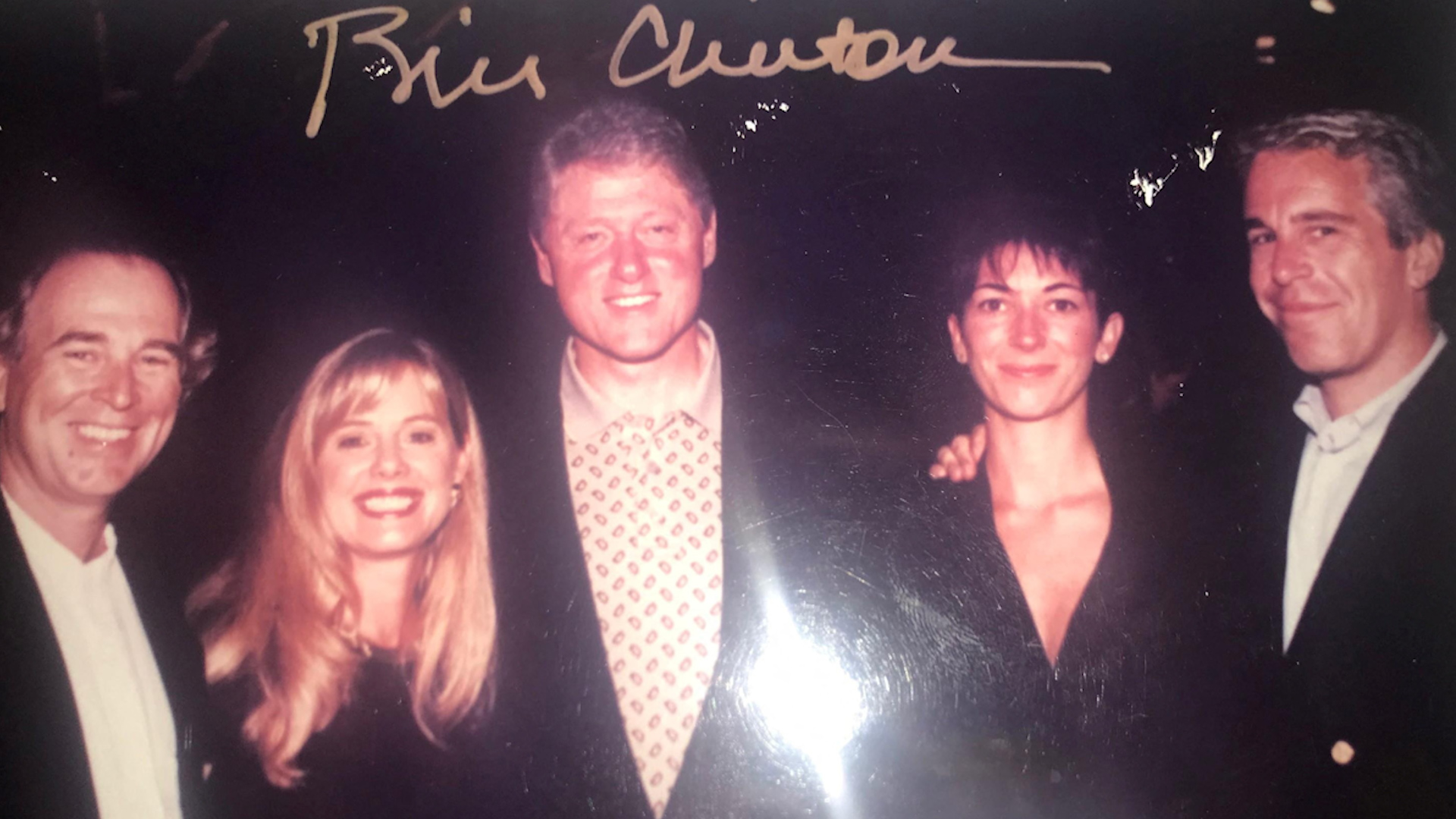
Epstein, who died in federal custody in 2019 while awaiting trial, maintained relationships with a range of high-profile individuals in politics, business, and entertainment. Flight logs and court documents have referenced names such as former Presidents Bill Clinton and Donald Trump, among others, in contexts including travel records and social associations.
None of those individuals have been charged in connection with Epstein’s criminal conduct, and several have publicly denied wrongdoing or knowledge of illegal activity.
Federal investigators, including the FBI, have stated that evidence collected did not reveal a singular, formal “client list” as often described in public discourse. They have confirmed extensive evidence of Epstein’s abuse of underage girls but have said they did not uncover proof of an organized trafficking roster of prominent men.
Epstein’s longtime associate Ghislaine Maxwell was convicted in 2021 on federal sex-trafficking charges and is serving a 20-year prison sentence. No additional co-conspirators have been federally charged to date.

Growing Distrust and Public Pressure
Survivors maintain that official accounts leave significant questions unanswered. Several have described being directed to provide “massages” or companionship to Epstein’s associates at properties in New York, Palm Beach, and on his private island. They argue that firsthand testimony offers a perspective not fully reflected in government-released files.
Public pressure has continued to build. Lawmakers from both parties have called for greater transparency. Survivor-led rallies have drawn attention nationwide, and a high-profile advertisement aired during the Super Bowl in February 2026 featured women holding childhood photographs of themselves alongside the message: “We all deserve the truth.”
As of February 2026, survivors have not publicly released the independent list they referenced. It remains unclear what form such a document would take or what legal implications could follow.
For many involved, however, the initiative represents more than a document — it reflects a broader push for acknowledgment, accountability, and control over a narrative that survivors say has too often been filtered through institutional processes.
Nearly seven years after Epstein’s death, the case continues to reverberate through courts, Congress, and the public sphere, underscoring the enduring tension between transparency, privacy, and justice in high-profile investigations involving the powerful.