Epstein Files Return to Center Stage, Complicating Political Landscape for Trump Administration
WASHINGTON — The controversy surrounding the release of documents related to Jeffrey Epstein has reemerged as a flashpoint in national politics, drawing scrutiny from lawmakers, media figures and segments of the public who say the matter remains unresolved.
While former President Donald Trump and members of his administration have signaled a desire to shift focus to economic and foreign policy issues, discussion of the so-called “Epstein files” continues to surface in congressional hearings and cable news debates. The renewed attention reflects broader public skepticism about how the Justice Department has handled the disclosure of materials connected to the disgraced financier, who died in federal custody in 2019.
The issue gained momentum again following a tense congressional hearing in which Attorney General Pam Bondi was questioned about the department’s engagement with survivors and its redaction decisions. During the hearing, Democratic lawmakers pressed Bondi on whether victims and their representatives had been adequately consulted. Several survivors present in the chamber indicated they had sought meetings with federal officials and had not yet received formal responses.
Bondi defended the department’s approach and rejected suggestions of concealment, describing the administration as committed to transparency. Republican lawmakers at the hearing echoed that sentiment, arguing that the matter had been politicized and that there is no evidence implicating the former president in criminal wrongdoing.
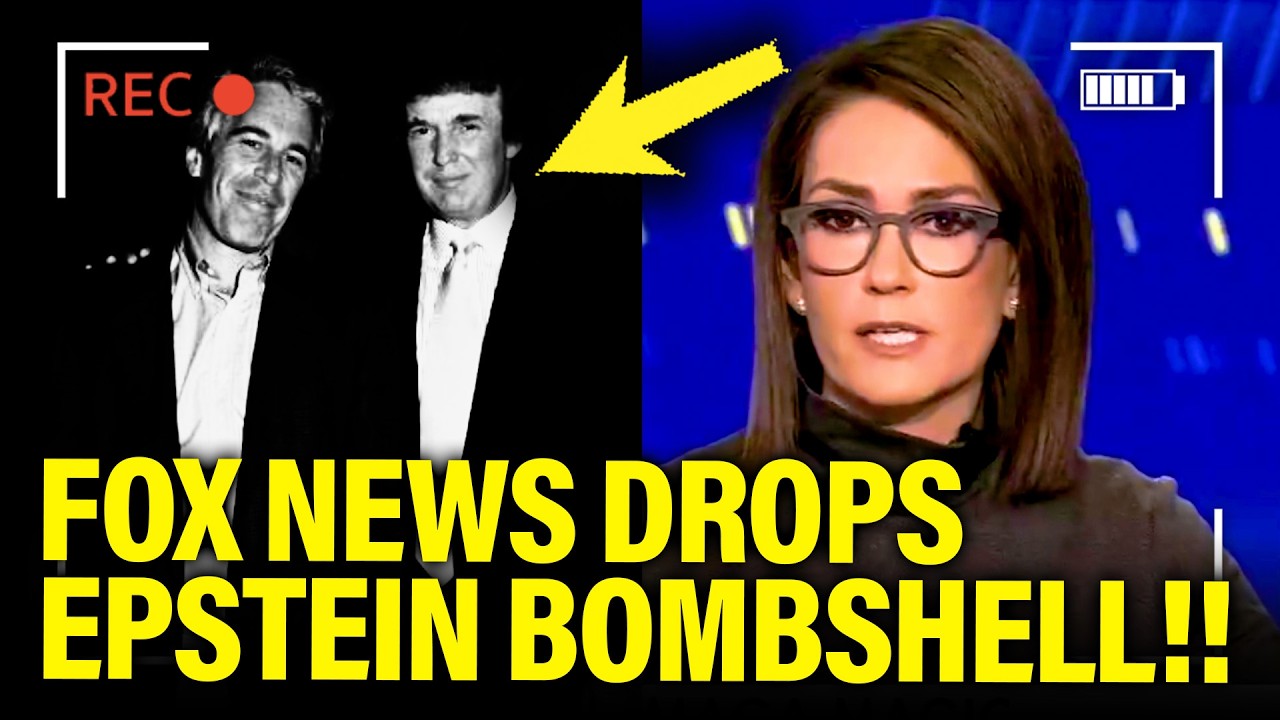
Yet even some conservative commentators have acknowledged that public interest in the files has not subsided. On Fox News’s “The Five,” co-host Jessica Tarlov said the administration faces an “Epstein files problem,” citing polling that suggests voters want fuller disclosure. She clarified that she was not accusing Trump of crimes but argued that dismissing the issue outright could deepen distrust.
Recent surveys reflect that skepticism. A Quinnipiac University poll found significant portions of respondents expressing dissatisfaction with how the Epstein-related materials have been handled. While opinions vary along partisan lines, the desire for transparency appears to cut across party affiliations.
The administration has urged the public to focus on economic indicators and other policy achievements, including stock market performance and job growth. But critics argue that emphasizing economic data during discussions of Epstein risks appearing evasive.
Survivors who testified before Congress described the emotional toll of the case’s prolonged visibility and called for accountability, regardless of political consequences. “We cannot move on without changing this narrative,” one survivor told lawmakers, urging bipartisan cooperation to ensure that individuals who enabled Epstein’s crimes are held responsible.

Members of Congress from both parties have signaled that they will continue reviewing the department’s handling of the case. While no new criminal charges against high-profile political figures have been announced, lawmakers have requested additional briefings and documentation related to the investigation’s scope and the process used to redact sensitive information.
The Epstein case has long occupied a unique place in the public imagination, involving prominent names from politics, business and international society. Its complexity — and the breadth of its connections — has made it a recurring subject of speculation and controversy.
For Trump and his allies, the political challenge lies less in legal exposure and more in perception. As long as a substantial segment of voters believes key details remain undisclosed, the issue is likely to resurface in hearings, campaign rhetoric and televised debates.
In Washington, where few controversies fully fade, the Epstein files appear poised to remain a subject of scrutiny — not only as a legal matter, but as a test of public trust in institutions that promise transparency and accountability.