By XAMXAM
NEW YORK — A viral YouTube video circulating in early 2026 claims that Jimmy Kimmel and George Clooney orchestrated a devastating, real-time takedown of President Donald J. Trump during a September 2024 episode of “Jimmy Kimmel Live!,” leaving the studio in disarray and prompting an explosive, hourlong meltdown from Mr. Trump as he watched live. The clip, styled with urgent narration, dramatic music and insider-sourced assertions of chaos, has garnered millions of views by framing the appearance as an unscripted demolition that “sent Hollywood and D.C. into total chaos.” No evidence supports the existence of such on-set pandemonium, producer scrambling or a presidential outburst of that scale tied to the broadcast.
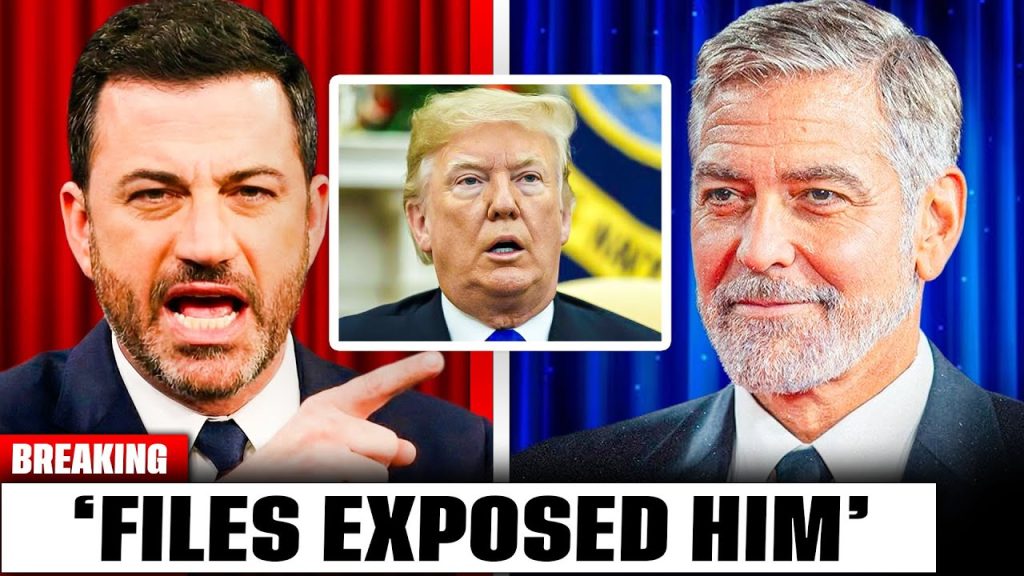
The episode in question aired on Sept. 17, 2024, with Mr. Clooney appearing to promote his film “Wolfs” alongside guests Kaitlin Olson and a performance by the Smashing Pumpkins. Mr. Trump had attacked Mr. Clooney days earlier on Truth Social, calling him a “fake movie actor” who “never came close to making a great movie” and urging him to “get out of politics and go back to television.” The post stemmed from Mr. Clooney’s July 2024 New York Times op-ed, in which he urged President Joe Biden to abandon his re-election bid, citing concerns about age and capability observed at a fundraiser Mr. Clooney hosted that raised $28 million.
During the interview, Mr. Kimmel read Mr. Trump’s remarks aloud, drawing boos and laughter from the audience. Mr. Clooney responded with measured humor, quipping, “I will if he does,” in reference to abandoning politics — a line that elicited applause and became a widely quoted retort. The conversation touched on Mr. Clooney’s op-ed, his longstanding acquaintance with Mr. Trump from earlier decades in New York, and broader political themes, including Mr. Trump’s pre-presidency persona as a social figure more focused on personal pursuits than leadership. Mr. Clooney downplayed the op-ed’s decisive role in Mr. Biden’s eventual withdrawal, praising the former president’s decision as selfless while expressing regret over the Democratic Party’s path forward.
The exchange was pointed but civil by late-night standards — a blend of celebrity banter, political commentary and promotional chat rather than a coordinated assault. Mr. Kimmel highlighted the irony of Mr. Trump, a former reality television host, dismissing Mr. Clooney’s film career, and the two men briefly referenced the “Access Hollywood” tape in jest. No reports from audience members, crew, network executives or contemporaneous coverage described stunned silence, producer hesitation or any disruption beyond routine audience reactions.
Mr. Trump’s social media history shows frequent, unfiltered responses to celebrity critics, often personal and dismissive. In this case, his pre-appearance post reflected irritation over Mr. Clooney’s influence on Democratic politics, but no verified accounts indicate he reacted with visible fury during the broadcast itself. Claims of an extended meltdown — pacing, shouting, demands for network retaliation — appear unsubstantiated, echoing patterns in partisan online content that amplify archival moments into fabricated breaking news.
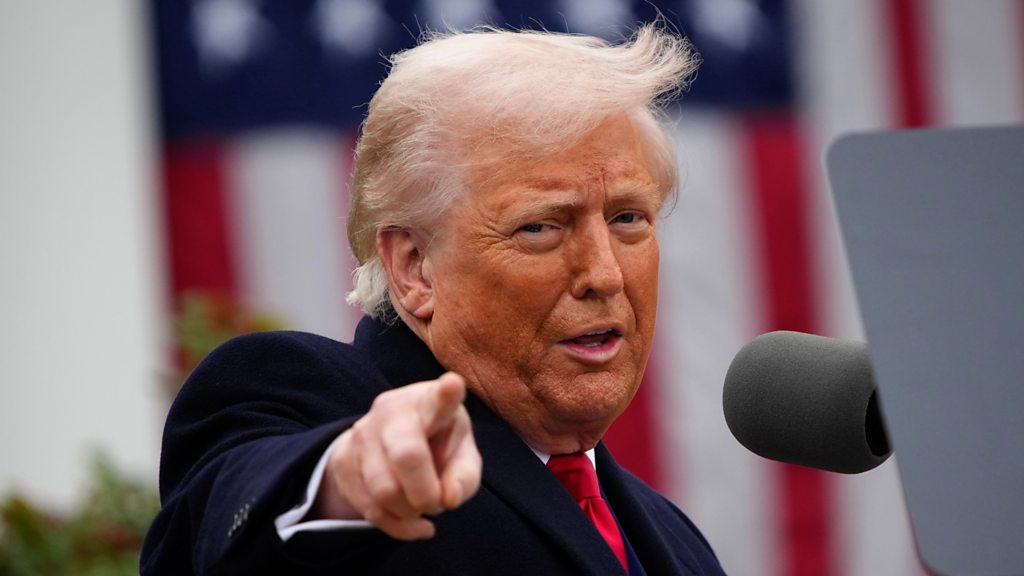
The feud fits a longer pattern. Mr. Clooney, an Oscar-winning actor and consistent Democratic supporter, has critiqued Mr. Trump since at least the 2016 campaign, framing him as unfit for office based on personal observations. Mr. Kimmel’s monologues have routinely satirized Mr. Trump’s policies, rhetoric and personal conduct, drawing the president’s ire and occasional threats against ABC or late-night television more broadly. Their September 2024 interaction revived that tension but did not escalate into the dramatic confrontation portrayed in viral retellings.
Such videos thrive by repurposing real clips — here, the verifiable Kimmel-Clooney segment — with hyperbolic overlays that simulate immediacy and intensity. They capitalize on enduring cultural divides: one side views the remarks as principled resistance from influential voices; the other sees them as elitist interference from Hollywood. The absence of corroborating evidence for the alleged chaos has not diminished their appeal in echo-chamber algorithms.
In the context of Mr. Trump’s second term, now several months old, these recirculated narratives underscore how pre-election moments continue to fuel opposition storytelling. Mr. Clooney has remained outspoken post-election, expressing concerns about democratic erosion and policy directions, while Mr. Kimmel’s show has persisted in sharp commentary despite occasional network pressures and viewership fluctuations in late-night television. Mr. Trump, for his part, maintains an active presence on Truth Social, where he frequently engages critics directly.
The persistence of the “live TV destruction” trope illustrates the gap between documented events and digital amplification. The Sept. 17, 2024, appearance was a notable but contained celebrity-political crossover — witty, relevant and briefly headline-making — rather than the studio-shaking spectacle later claimed. As political and media landscapes evolve, such feuds provide endless fodder for those who consume and produce content at the intersection of entertainment and power.