BREAKING: Trump’s Article II Power Grab Hits a Wall as the Senate Fires Back
Washington doesn’t do “no” to presidents very often—especially not Republican presidents with Republican Senates. But this week, that’s exactly what happened.
And it mattered.
When senators from your own party vote to publicly block your war powers—while you’re out here joking about canceling elections—that’s not strength. That’s a warning flare.
No, Donald Trump was not removed from office. His “regime” did not formally end. But something almost as shocking in modern D.C. politics happened instead:
The Senate told him no—on war, on the record, using the Constitution he keeps invoking as a shield.

The Moment Everything Shifted: 52–47
Trump, early in his second term, launched a surprise military operation in Venezuela. Not a drone strike. Not a limited covert action.
A full-scale raid.
U.S. forces stormed in, captured Venezuelan leader Nicolás Maduro, and extracted him from the country. Trump bragged about it openly—about American dominance, about control of Venezuelan oil, about how the United States could “run” Venezuela for years.
It wasn’t subtle. It wasn’t defensive. It was regime change.
Less than a week later, the Senate responded.
By a 52–47 vote, a majority of the United States Senate invoked the War Powers Resolution to block Trump from taking any further military action in or against Venezuela without explicit congressional authorization.
That vote included five Republicans:
-
Rand Paul
-
Susan Collins
-
Lisa Murkowski
-
Todd Young
-
Josh Hawley
Yes—that Josh Hawley.
Every Democrat voted yes. That part was expected. What wasn’t expected was Republicans crossing Trump on war powers during an active operation.
That vote didn’t undo the raid. Maduro remains in custody. But it slammed the brakes on what Trump was clearly signaling: a long-term U.S. military and economic occupation dressed up as “strength.”
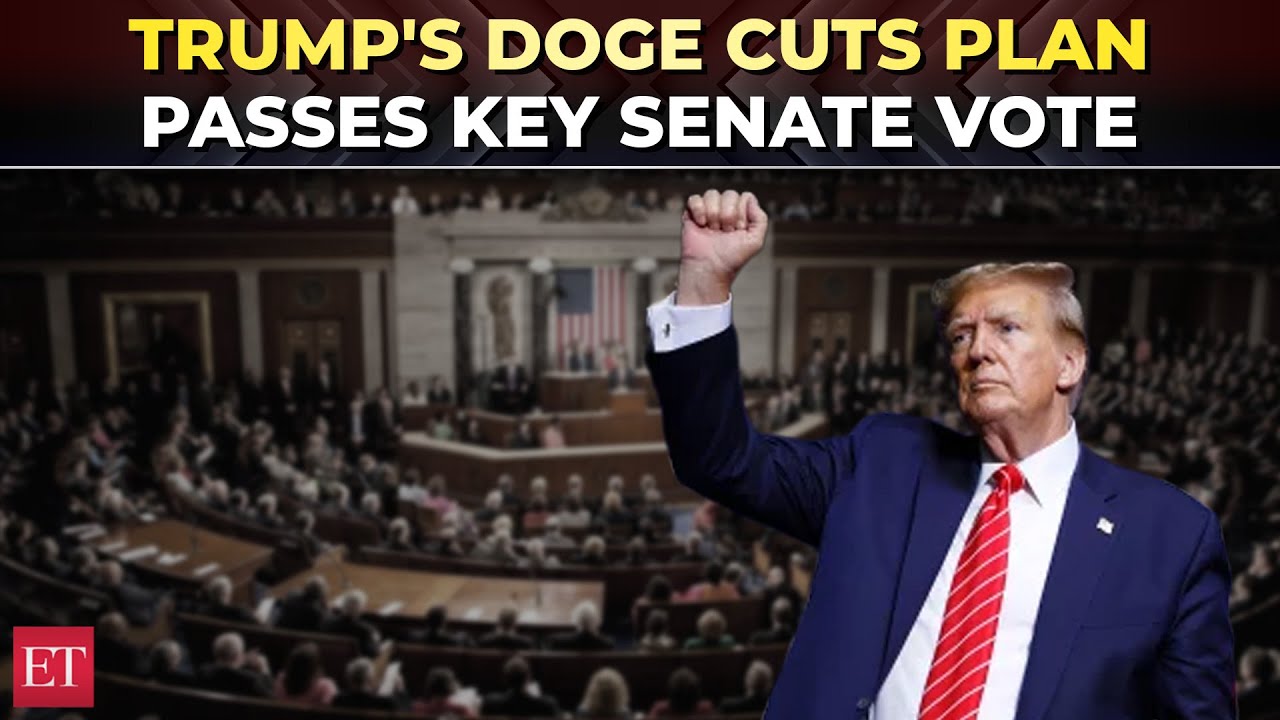
Why This Vote Was a Big Deal
This wasn’t cable-news outrage. This wasn’t a symbolic letter.
This was Congress reaching into the Constitution and pulling out Article I—its authority to declare war—and using a law passed after Vietnam to stop presidents from launching endless conflicts without debate.
The message was simple:
You don’t get to wake up, bomb a country, grab a head of state, and expand the mission indefinitely without us.
Senator Tim Kaine, who has spent years warning about unchecked presidential war powers, moved quickly after the raid. The Senate agreed—at least initially.
Defense and foreign-policy experts immediately described the vote as a rare bipartisan rebuke and a sign that lawmakers were uneasy with Trump’s increasingly imperial view of executive power.
Trump’s Reaction: Rage, Threats, and Pressure
Publicly, Trump’s team called the War Powers Resolution unconstitutional. They claimed it violated Article II, undermined the commander-in-chief, and emboldened America’s enemies.
Privately, Trump did what he always does.
He leaned on senators. He threatened primaries. He raged.
Within days, Hawley and Young flipped on a later procedural vote, helping strip the resolution of its fast-track protections—effectively bogging it down.
That shows two things at once:
-
Trump’s grip is still real
-
But the crack is now visible
The initial 52–47 vote is permanent. It exists in the Senate record. History doesn’t forget numbers like that.
Now Add the Other Half of the Crisis: Elections
While the Senate was quietly pulling Trump back inside constitutional lines on war, Trump was doing something else entirely.
Twice in January, he floated the idea of canceling the 2026 midterm elections.
At a House GOP retreat, he joked that Democrats’ policies were so bad they should just cancel the election—then immediately added that he wouldn’t say that because the “fake news” would call him a dictator.
Days later, in a Reuters interview, he went further:
“When you think of it, we shouldn’t even have an election because this administration has done so much.”
That’s not a slip. That’s a pattern.
And layered on top of that, Trump has been telling Republicans point blank: if they lose the House, he will be impeached again.
He’s saying it out loud. He knows the risk. He’s daring the system to stop him.
This Is Where Article II Comes Back—Hard
Trump loves Article II when it gives him power. He hates it when it limits him.
But Article II, Section 4 doesn’t just make him commander-in-chief.
It also makes him impeachable.
“The President… shall be removed from office on impeachment for, and conviction of, treason, bribery, or other high crimes and misdemeanors.”
Defying Congress on war. Expanding military operations without authorization. Floating the suspension of elections.
That’s not abstract constitutional theory. That’s a ready-made impeachment framework.
If Trump escalates in Venezuela despite Congress saying no, the narrative writes itself:
-
Abuse of power
-
Violation of the separation of powers
-
Threats to democratic governance
Trump himself is predicting it.
What This Means for 2026—and Beyond
This episode changes the landscape in six key ways:
First, it shatters the myth of total GOP unity. Republicans voted—on the record—to restrain Trump’s war powers. That can’t be erased.
Second, it sets a precedent. Senators now know they can cross him and survive. That matters the next time he wants to bomb somewhere else.
Third, it raises impeachment stakes. If Trump ignores Congress on Venezuela, the War Powers vote becomes Exhibit A.
Fourth, his election “jokes” aren’t harmless. They energize opponents and validate fears that he views democracy as optional.
Fifth, Republicans in swing states are trapped—terrified of Trump’s base but watching independents recoil from war and authoritarian rhetoric.
Sixth, for voters, the choice is stark:
-
Congress saying “the Constitution still matters”
-
A president acting like it’s a suggestion
The Bottom Line
No, the Senate did not end Trump’s regime this week.
But they did something just as dangerous to him.
They proved—publicly, numerically, constitutionally—that Article II is not a crown.
Trump is still in office. He’s still powerful. But now he knows something he hates knowing:
The system is capable of pushing back.
And if he keeps pushing—on war, on elections, on unchecked power—he’s also reminded everyone of the one Article II tool he actually fears.
Impeachment.