When a global superpower begins to signal interest in another nation’s territory, the consequences rarely stop at borders. Entire security architectures begin to shift. Alliances feel pressure. Long-standing rules are tested.
That is exactly what is now unfolding in the Arctic.
Over the past few days, Canada has made an unusually clear and public move: standing firmly with Denmark amid renewed signals from Washington about expanding American influence over Greenland. On the surface, it may look like routine diplomacy. In reality, it marks the opening of a much larger and far more consequential Arctic power struggle.
This is not just about a remote, ice-covered island. It is about sovereignty, military reach, natural resources, and the future balance of power in one of the world’s fastest-changing regions.
Why Greenland Suddenly Matters So Much
Greenland is the largest island on Earth, yet home to fewer than 60,000 people. What it lacks in population, it more than makes up for in strategic value. Geographically, Greenland sits at a critical junction between North America and Europe, overlooking both the North Atlantic and the Arctic Ocean.
As climate change accelerates the melting of Arctic ice, the region is transforming. New shipping routes are slowly opening. Fishing zones are expanding. Vast reserves of oil, gas, and rare earth minerals—essential for modern technologies and defense systems—are becoming more accessible.
Control or dominant influence over Greenland would offer enormous advantages:
-
Strategic oversight of North Atlantic shipping lanes
-
Ideal locations for early-warning radar systems and missile defense
-
Potential air and naval base expansion
-
Access to critical natural resources
For the United States, this combination makes Greenland a strategic jackpot.
But there is a crucial complication.
Greenland is not unclaimed territory. It is part of the Kingdom of Denmark, while also enjoying extensive self-government. It has its own political institutions, legal framework, and a population with a strong sense of identity. Any attempt to “purchase” or annex Greenland would directly challenge established international norms and the principle of territorial integrity.
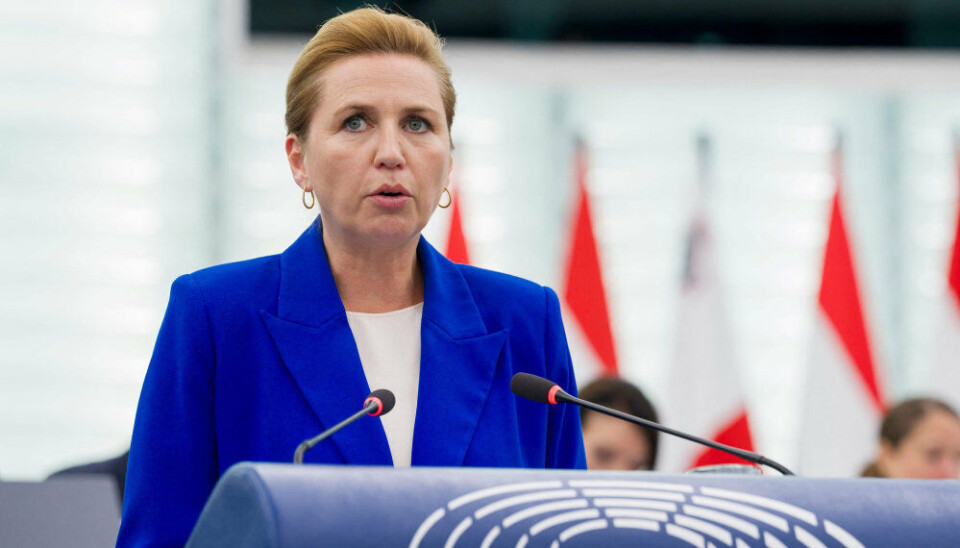
Washington’s Signals and the Diplomatic Shockwaves
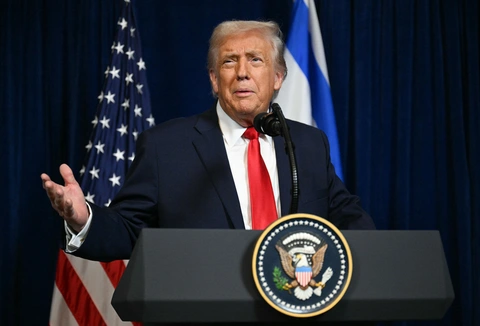
The tension escalated after Washington appointed a special envoy for Greenland—an appointment widely interpreted in diplomatic circles as an effort to lay groundwork for stronger American control. Although U.S. officials later softened their language, insisting that “we are not trying to conquer anyone,” the message had already been received.
In international politics, intent matters as much as action.
Once those signals were sent, shockwaves spread quickly through NATO capitals. Allies began quietly reassessing what a shift in Greenland’s status could mean for regional security and alliance unity.
That is where Canada entered the picture.
Why Canada Is Taking a Stand
Canada is not a bystander in the Arctic. It is one of the world’s leading Arctic nations, with vast northern territories extending deep into the polar region. For decades, Canadian leaders have argued that the Arctic is not a lawless frontier, but a region governed by clear rules, national jurisdictions, and international law.
From Ottawa’s perspective, developments around Greenland raise several red flags.
Security concerns: Any significant military buildup near Greenland would directly affect the strategic balance in the North Atlantic and Canada’s own northern defenses.
Diplomatic concerns: Denmark is a NATO ally. Internal tension between alliance members weakens collective security at a time of growing global instability.
Economic concerns: Emerging Arctic shipping routes, resource extraction, and infrastructure projects will shape Canada’s economic future in the North.
In response, Canada made its position unmistakably clear. The foreign affairs minister publicly expressed support for Denmark, emphasizing respect for sovereignty and territorial integrity. Behind the scenes, Canadian and Danish officials intensified direct coordination.
Then came the most significant move.

The Strategic Meaning of Canada’s New Consulate in Nuuk
Canada announced plans to open a consulate in Nuuk, Greenland’s capital.
This is not a symbolic gesture. In diplomacy, physical presence matters.
A consulate is far more than a visa office. It signals long-term commitment. It creates direct political channels, strengthens economic ties, and embeds a country in local decision-making processes. In geopolitical terms, it is a declaration: we are here, and we intend to stay engaged.
For Canada, the consulate aligns with a broader Arctic strategy:
-
Direct communication with Greenlandic authorities
-
Closer coordination with Denmark on Arctic security
-
Stronger influence in Arctic governance forums
-
Reinforcing the Arctic as a core NATO security theater
Canadian officials have also been reminding allies of history. Canada played a major role in European security during two world wars. In the 21st century, Ottawa argues, the Arctic and North Atlantic deserve the same strategic attention.
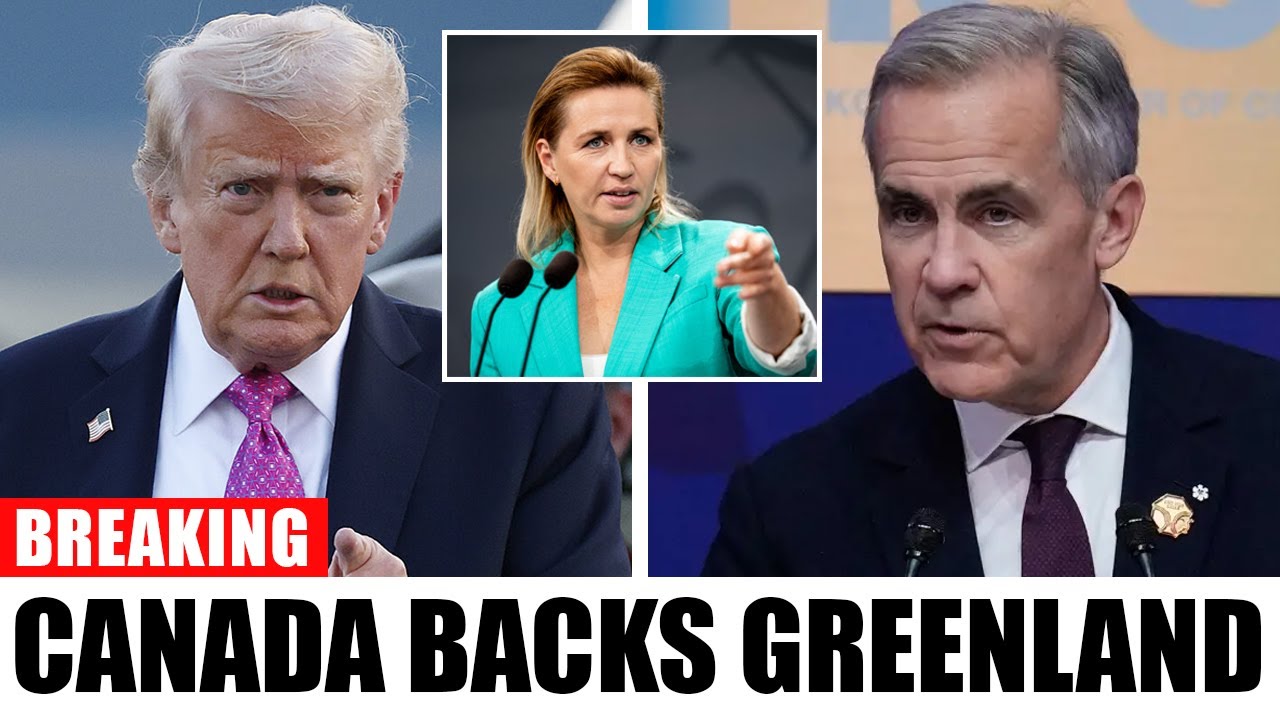
The Risks of Escalation
The stakes are high. If any major power were to pursue aggressive annexation-style policies or prioritize dominance over cooperation, the consequences could be severe.
Tensions could rise among Nordic countries such as Denmark, Norway, and Iceland. Friction could appear within NATO itself, as one ally’s territory becomes the object of another ally’s ambition. Rival powers like Russia and China would gain a powerful narrative: that Western democracies disregard their own rules when it suits them.
Most importantly, the people of Greenland risk being pushed to the margins of decisions about their own future.
Greenlanders are already on the front lines of climate change, watching their environment transform while navigating a fragile, resource-dependent economy. For them, talk of annexation or purchase is not abstract geopolitics—it is about identity, self-determination, and survival.
Canada’s emphasis on sovereignty and international law is therefore not just about Denmark. It also reinforces the principle that Greenland’s people must have a decisive voice in what happens to their land.
The Arctic’s Bigger Picture
Zooming out, the Arctic is rapidly becoming one of the world’s most important strategic theaters.
Russia maintains an extensive military presence across its Arctic coast. China increasingly describes itself as a “near-Arctic state,” expanding its scientific, economic, and diplomatic footprint. The United States, Canada, Denmark, Norway, and Iceland are all maneuvering to protect their interests.
In this environment, Greenland functions like a massive, unsinkable aircraft carrier—immensely valuable and increasingly contested.
Canada finds itself in a dual role: both stakeholder and stabilizer. Denmark seeks to defend its legal rights while respecting Greenland’s autonomy. The United States weighs long-term security and great-power competition.
A Choice That Will Shape the Century
The central question is no longer whether the Arctic will matter. That debate is over.
The real question is whether the Arctic becomes a region defined by cooperation, shared security, and respect for international law—or another arena where powerful nations push pieces across a map, ignoring smaller voices.
For now, Canada’s message is clear: respect existing borders, strengthen alliances through trust rather than pressure, and shape the Arctic as a zone of cooperation, not conflict.
Because sometimes, the coldest places on Earth become the stage for the hottest power struggles—and what happens there will help define the world for decades to come.