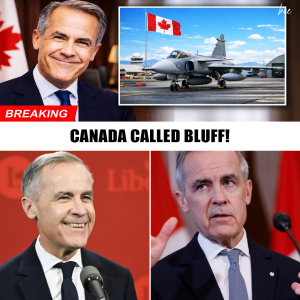
At the center of the debate is the Arctic itself. With vast distances, extreme cold, and limited infrastructure, Canada requires a fighter that can take off from short, icy runways, operate with minimal ground support, and be rapidly deployed across remote regions. The Gripen was designed for exactly these conditions, while critics argue the F-35 is too maintenance-heavy for sustained Arctic operations.
Another key factor shaking confidence in the F-35 program is cost. Canada’s purchase includes not only aircraft but also decades of maintenance, software upgrades, and spare parts controlled largely by the United States. In contrast, the Gripen offers lower operating costs, greater national control, and flexible maintenance options, making it increasingly attractive to policymakers focused on long-term affordability.
Strategic independence is also fueling Gripen’s momentum. The Swedish fighter allows countries to own and modify their software and weapons systems, reducing reliance on foreign approval. For Canada, which must defend its northern airspace and respond quickly to potential threats, this level of sovereignty is becoming a decisive advantage over the tightly controlled F-35 ecosystem.
Geopolitical tensions in the Arctic are rising as Russia and China expand their presence in the region. This has made Canada’s fighter choice more urgent than ever. Supporters of the Gripen argue that its high readiness rates, fast turnaround times, and proven cold-weather performance make it a better tool for constant Arctic patrols than the technologically advanced but logistically demanding F-35.
As Ottawa faces growing political and public scrutiny over the F-35 contract, the Gripen is no longer a fringe alternative—it is now a serious contender. Whether Canada ultimately stays with the F-35 or pivots to the Gripen, the decision will shape the nation’s air power in the Arctic for decades, with billions of dollars and national security hanging in the balance.