Trump’s War and the Cost of Distance: Veterans Warn of a Conflict Led by Those Who Have Never Experienced War

WASHINGTON — On the third day of a rapidly escalating conflict with Iran, President Donald Trump stood in the ornate East Room of the White House to address the nation. But instead of outlining strategy or emphasizing the seriousness of the situation, he spoke about something entirely different: drapes.
“We’re improving the building,” Trump said, pointing to a renovation project that will eventually become a new ballroom. “I picked those drapes in my first term. I’ve always liked gold.”
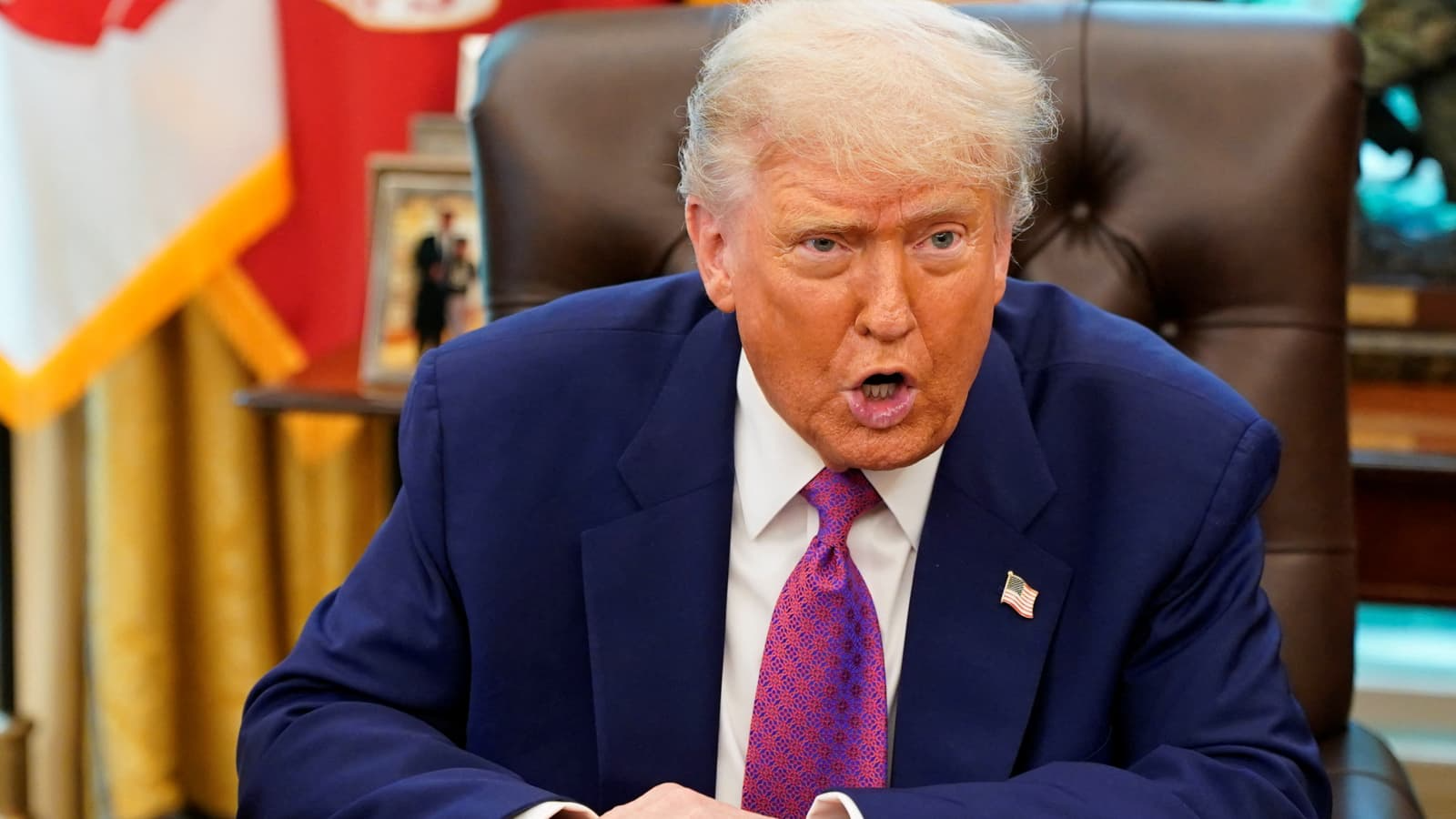
For critics, the moment was more than just an off-topic remark. For many veterans watching the speech, it reflected what they see as a growing gap between those who authorize wars and those who are expected to fight them.
“This country is at war,” said Chris Goldsmith, a combat veteran and founder of Veterans Fighting Fascism. “But the people making these decisions don’t truly understand the sacrifices they’re asking others to make.”
Goldsmith made the remarks during a recent interview with the Midas Touch Network, hosted by Ken Harbaugh. He warned that the human cost of the conflict is only beginning to emerge.
The Invisible Cost of War
At the time the interview was recorded, the U.S. military had already experienced personnel losses during the early days of the conflict. However, Goldsmith believes the actual scale of the losses—particularly injuries—may be much higher.
He pointed to the aftermath of the 2020 U.S. strike that killed Iranian General Qasem Soleimani, when Iran launched missiles at a U.S. military base in Iraq. Initially, officials downplayed the severity of the incident. Weeks later, it was revealed that more than 100 American service members had suffered traumatic brain injuries.
“At first they said it was nothing serious,” Goldsmith recalled. “Just headaches. But traumatic brain injuries can destroy a person’s life, career, and family.”
Veterans worry a similar pattern could repeat itself, with early reports failing to capture the long-term consequences for troops returning home.
For many who served in previous conflicts, those consequences were severe. Goldsmith said that when he returned from war in his early twenties, he struggled with severe post-traumatic stress disorder.
“I came home at 21 years old and moved back into my childhood bedroom,” he said. “I couldn’t work. I was falling apart. And it didn’t just affect me—it affected my entire family.”
A Strained Veterans Support System
Veterans’ advocates say the problem is compounded by a support system that is already under strain.
The U.S. Department of Veterans Affairs (VA) has long struggled with staffing shortages and rising demand for care. Critics argue that recent policies have made the situation worse, leaving positions unfilled and reducing medical staff.
Goldsmith warned that the system may soon face another wave of wounded veterans without sufficient resources to care for them.
“When you send an entire generation into conflict without preparing the VA for what’s coming, you create a crisis,” he said. “And we’ve seen that crisis before.”
The wars in Iraq and Afghanistan left hundreds of thousands of veterans needing long-term care for physical injuries, mental health conditions, and traumatic brain injuries.
Many analysts worry that a prolonged conflict with Iran could lead to similar consequences—potentially on an even larger scale.
The Distance Between Leaders and War
Another concern raised by critics is the growing distance between political leaders and the wars they authorize.
Goldsmith noted that very few members of the current administration have close family members serving in the military.
“The people making these decisions are not the ones sending their own sons or daughters into military service,” he said. “That distance matters.”
Historically, many U.S. presidents had personal military experience or family members who served in the armed forces. But observers say that tradition has weakened in recent decades.
For Goldsmith, the absence of direct experience can shape how leaders perceive war.
“People don’t fully understand a problem until they’ve experienced it themselves,” he said.
He recalled that as a high school student during the early days of the Iraq War, he enthusiastically supported the invasion.
“I thought war meant the good guys would win,” he said. “I didn’t understand the reality.”
That reality, he later learned, included enormous civilian losses. Conservative estimates suggest that about 200,000 Iraqi civilians died during the conflict, while some studies place the number closer to one million.
Global Consequences

According to Goldsmith, the long-term consequences of modern conflicts extend far beyond the battlefield.
The Iraq War and the collapse of states such as Libya contributed to large migration flows and political instability across Europe and the Middle East. Those developments, analysts say, helped fuel the rise of far-right political movements in several countries.
Now, as tensions in the Middle East continue to grow, many fear the world could be entering another prolonged period of instability.
“The consequences of conflicts like this don’t end when the fighting slows down,” Goldsmith said. “They reshape politics, societies, and entire generations.”
As the conflict continues, veterans and analysts warn that the United States may once again face a familiar truth: the greatest burdens of war rarely fall on those who decide to start it.