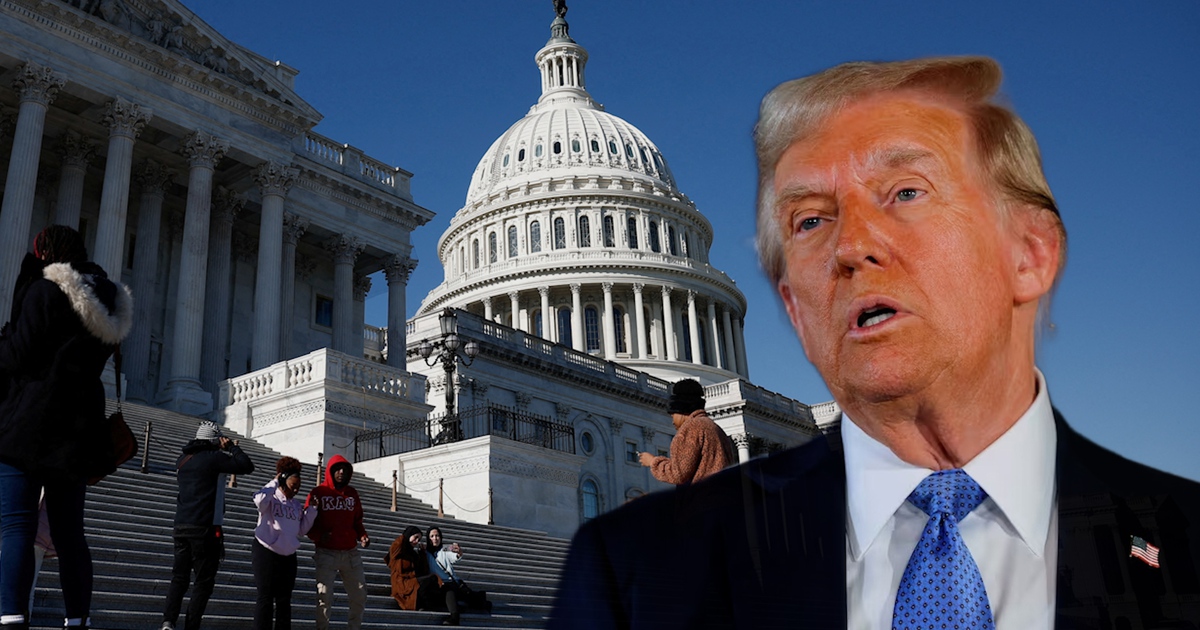
Congress has halted forward movement on the Trump-backed SAVE Act proposal following a contentious debate centered on voting rights protections and constitutional authority. The pause marks a significant moment in the ongoing national conversation around election integrity, federal oversight, and states’ rights. Lawmakers from both parties engaged in intense discussions, reflecting how deeply divided Washington remains on voting legislation.
Supporters of the SAVE Act argue the proposal is designed to strengthen election security and reinforce public confidence in the voting process. Backers say the bill would introduce stricter verification standards and administrative safeguards aimed at preventing voter fraud. Proponents also frame the legislation as a necessary modernization effort in response to evolving election technology and security threats.
Opponents, however, contend the measure could create new barriers to voter access, particularly among historically underrepresented communities. Civil rights groups and several lawmakers have raised concerns that certain provisions could conflict with existing voting rights protections. Critics also question whether the federal government has the constitutional authority to impose some of the proposed requirements nationwide.
Legal experts say the debate highlights a broader constitutional tension between federal election oversight and state-level control of voting systems. The U.S. Constitution grants states primary authority over election administration, while also allowing Congress to regulate certain aspects of federal elections. This balance has been at the center of multiple legal battles and Supreme Court decisions over the past several decades.
Politically, the stalled progress could have ripple effects heading into upcoming election cycles. Both major parties are expected to use the debate to mobilize supporters and shape campaign messaging around election integrity and voting access. Policy analysts suggest the issue will likely remain a major legislative battleground regardless of short-term outcomes for the SAVE Act itself.
As negotiations continue behind the scenes, the future of the SAVE Act remains uncertain. What is clear is that the debate has once again placed voting rights, constitutional interpretation, and election security at the forefront of national political discourse — ensuring the issue will remain highly visible in both Congress and the public arena for the foreseeable future.