A late-night social media post from President Donald Trump has reignited one of the most combustible debates in American politics: the boundaries of speech, race, and responsibility at the highest level of power. By sunrise, Washington was already bracing for impact.
The image in question, widely condemned by critics as racially offensive, spread rapidly across digital platforms. Civil rights advocates described it as disturbing and deeply inappropriate. Within hours, calls for accountability began echoing across cable networks and Capitol corridors.
Most Republican lawmakers responded cautiously. Some said they had not seen the post. Others pivoted to broader talking points about free expression or media overreaction. The instinct to deflect was swift and familiar.
But one voice cut through the noise.
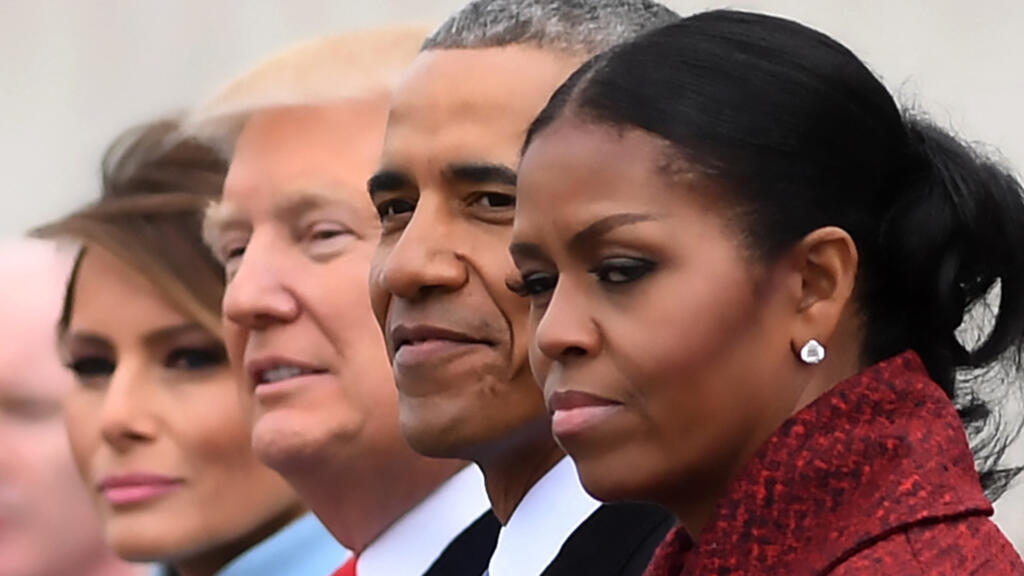
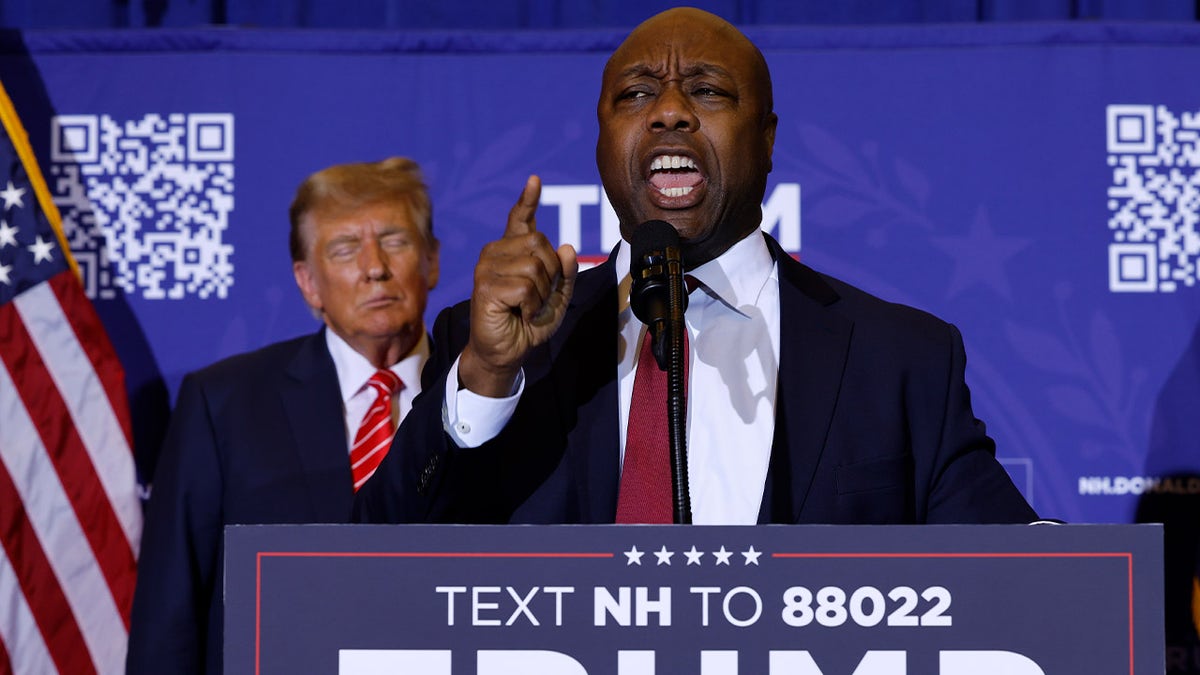
Senator Tim Scott, a Republican from South Carolina and the only Black GOP senator, publicly stated that the post was racist and should be taken down. In a party often defined by loyalty to its standard-bearer, the comment landed with unusual weight.
Scott stopped short of demanding a formal apology or broader reckoning. Still, his words marked a rare moment of public divergence from Trump within Republican ranks. In today’s political climate, even modest criticism can signal deeper tremors.
The White House dismissed the backlash as “fake outrage,” describing the image as a meme taken out of context. Officials argued that critics were weaponizing offense for political gain, a claim that resonated with many of the president’s supporters.

Yet the controversy underscores a recurring tension in Trump-era politics: the collision between provocation and presidential decorum. Supporters often frame such episodes as cultural pushback against political correctness. Opponents see something far more corrosive.
For Democrats, the incident reinforces long-standing arguments about character and leadership. Several lawmakers called the post “beneath the dignity of the office,” warning that repeated rhetorical escalations normalize division rather than debate.
For Republicans, the episode presents a more complicated calculus. Publicly rebuking the president risks alienating a loyal voter base. Remaining silent risks appearing complicit. Navigating that narrow corridor has become a defining feature of contemporary GOP politics.

The timing adds further volatility. With midterm elections approaching, party unity is paramount. Every controversy tests whether the coalition built around Trump can withstand renewed scrutiny—or whether fractures will widen under pressure.
Beyond partisan strategy lies a deeper question about the tone of American civic life. Social media has blurred lines between personal expression and institutional voice. When the presidency amplifies provocative content, the stakes inevitably rise.
The episode also highlights how swiftly political narratives now unfold. What once might have simmered for days now detonates within hours, reshaping news cycles and forcing rapid-fire responses from lawmakers and strategists alike.
For now, the post remains emblematic of a broader dynamic rather than a singular event. It reflects a presidency that thrives on disruption and a political system struggling to determine its limits.
Whether this moment fades into the churn of daily outrage or marks a sharper inflection point remains unclear. What is certain is this: in today’s America, words from the Oval Office carry consequences far beyond the screen.
And each controversy leaves behind a question that lingers long after the headlines move on—how much strain can the system absorb before the cost becomes irreversible?