The Wall of Ink: Inside the Forensic Collapse of the Department of Justice’s Epstein Disclosures
WASHINGTON — In the sterile, fluorescent-lit arena of the House Judiciary Committee, the dry cadence of legal oversight was shattered this week by a confrontation that felt less like a hearing and more like a criminal deposition. Representative Hank Johnson, a veteran of the chamber’s most intense legal skirmishes, spent his allotted time not in grandstanding, but in the slow, methodological construction of a forensic trap for Attorney General Pam Bondi.
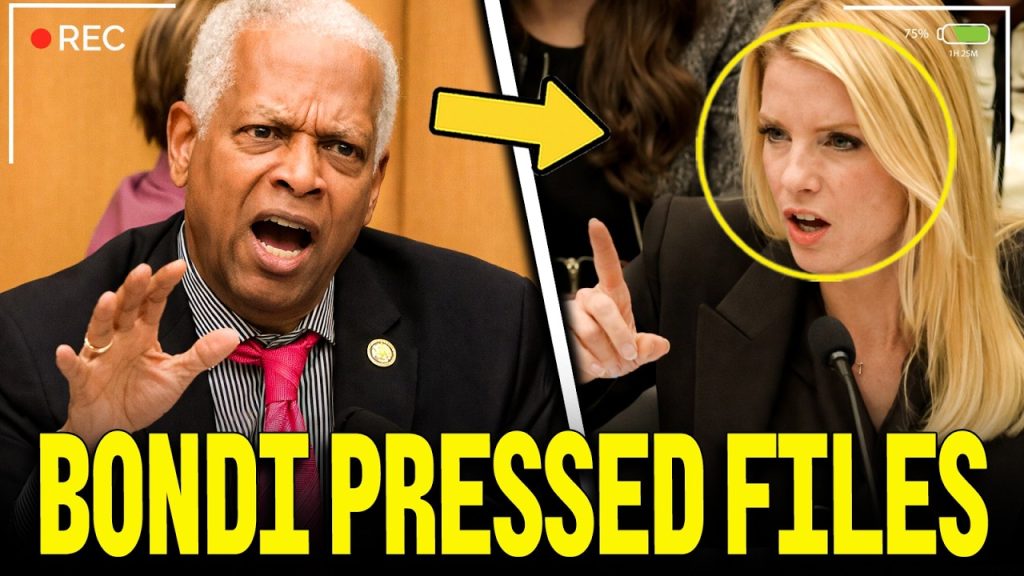
The subject was the Jeffrey Epstein files, a three-million-page archive that was supposed to represent the final word on the late sex trafficker’s network. Instead, as the hearing progressed, it became an indictment of the very department tasked with its release. At the heart of the clash was a figure that has sent shockwaves through the capital: the deployment of over 500 Department of Justice attorneys and reviewers—assisted by nearly 1,000 personnel—dedicated not to prosecuting co-conspirators, but to the meticulous “scrubbing” and redacting of the files prior to their release.
The 38,000 References and the Single Denial
The tension in the room reached a fever pitch when Johnson confronted Bondi with a statistic that has become the rally cry for transparency advocates: the name of the current president allegedly appears in the investigative files over 38,000 times. When Bondi issued a definitive, sworn statement that “no evidence exists” of criminal conduct by the president within the files, the air in the chamber seemed to vanish.
Legal experts have characterized this as a “materially false statement” under 18 U.S.C. § 1001. Forensic investigators have already identified a 21-page internal DOJ slideshow, labeled FTA-6639, which contains specific criminal allegations. One witness in that document alleges an assault between 1983 and 1985, detailing a violent encounter with a minor. By stating that no evidence exists while sitting at the head of a department that possesses that very slideshow, Bondi has placed her institutional credibility on a collision course with documented facts.
The “Selective Privacy” Doctrine

The most visceral moments of the hearing arrived when Representative Johnson and his colleagues highlighted the DOJ’s “selective” redaction strategy. While the department utilized a small army of lawyers to identify and obscure mentions of powerful political figures, the names, addresses, and even sensitive photographs of Epstein’s survivors were reportedly left exposed in the public database.
When Representative Pramila Jaipal asked the Attorney General to turn around and apologize to the survivors sitting in the gallery for “outing” them to the world, Bondi’s refusal was total. Instead, she engaged in a series of personal attacks, characterizing the survivors’ presence as “theatrics” and lashing out at members of the committee as “failed politicians.” This “Jackal and Hyde” routine—affable to one side, combative to the other—has sparked a formal request from Representatives Ted Lieu and Dan Goldman for the appointment of a Special Counsel, citing a “clear and structural conflict of interest.”
The Case of the Missing 53 Pages
Perhaps the most damaging revelation involves the 53 pages of interview documents that have reportedly vanished from the public database. Metadata tracking and serial number analysis utilized by investigative teams suggest that the FBI interviewed one primary accuser four times. However, the DOJ initially only released the single interview that did not mention the president, withholding the other three.
Under the Jeffrey Epstein Files Transparency Act, the DOJ does not have the authority to withhold evidence based on “embarrassment” or “political sensitivity.” Section 2 of the Act is explicit: transparency is a statutory mandate, not a suggestion. By deeming certain files “sensationalist” and removing them, the Department of Justice appears to be in direct violation of the very law it claims to be fulfilling. Releasing three million pages of background noise while withholding the specific pages containing child abuse allegations is not a release—it is a strategic containment.
The Perjury Precipice
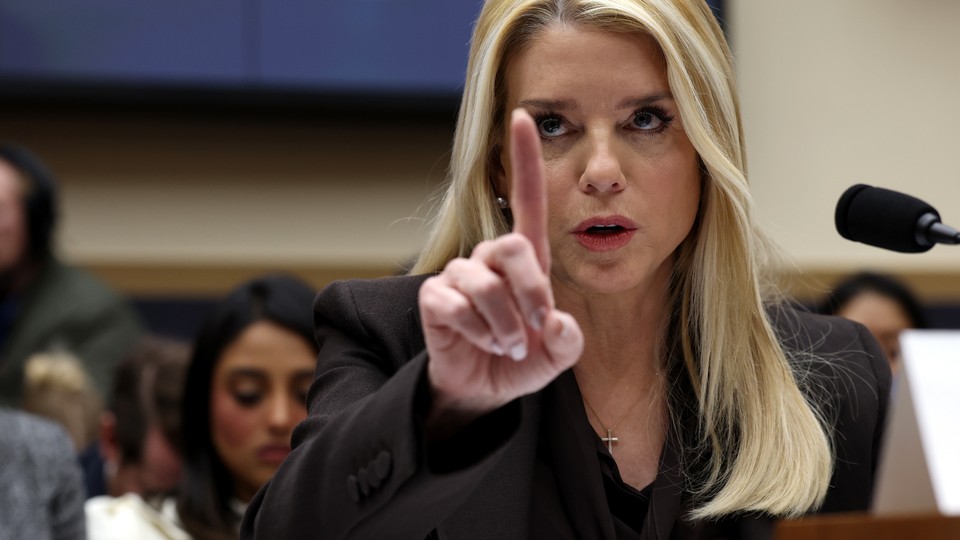
The procedural path forward for the Attorney General is now fraught with peril. A statement made to Congress is “material” if it has a natural tendency to influence the body’s decisions. By claiming no evidence exists, Bondi effectively attempted to close the door on further legislative inquiry into the Epstein network. If a Special Counsel is appointed under 28 CFR § 600.1, the investigation will focus not just on Epstein’s ghosts, but on whether the nation’s chief law enforcement officer committed perjury to protect her benefactor.
As the hearing concluded, the image left in the public mind was one of institutional paralysis. After one year in office, the Department of Justice has failed to prosecute a single additional co-conspirator from the Epstein estate. While it has been hyper-active in pursuing political investigations into local prosecutors and members of Congress, it has remained stagnant on the largest sex-trafficking case in modern history.
The $50,000 mystery, the redacted prosecution memos, and the “burn book” used to attack lawmakers all point toward a department that has prioritized loyalty over the rule of law. As Representative Johnson yield back his time, the silence that followed spoke volumes. The Epstein files were meant to be the end of a coverup. Instead, they appear to be the beginning of a new one, written in the black ink of 500 lawyers. The evidence is there, the law is there, and for the survivors in the gallery, the clock is finally ticking.