House Rule Vote Fails in Stunning Blow to Speaker Mike Johnson, Opening Door to Tariff Showdown
By [Your Name] | February 2026 | U.S. Politics News
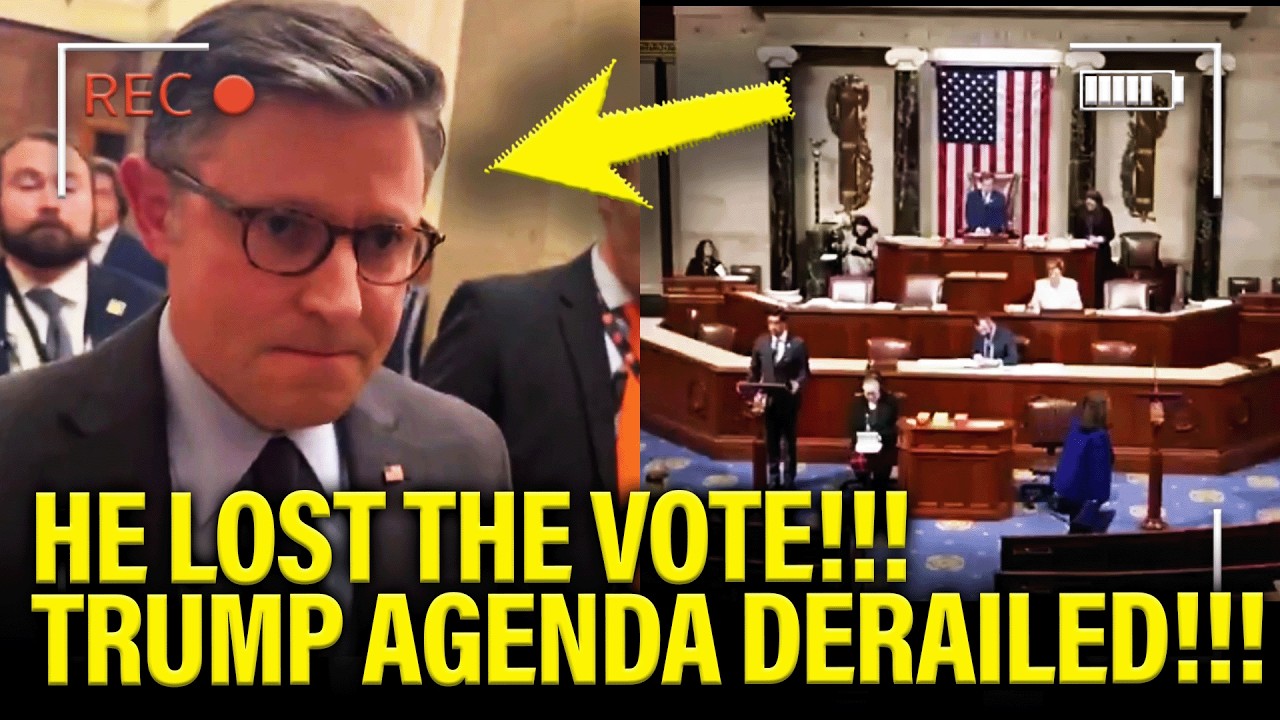
In a rare procedural defeat, House Speaker Mike Johnson suffered a significant setback after the U.S. House of Representatives voted down a key rule that would have shaped debate over resolutions challenging former President Donald Trump’s global tariff policies.
The vote—217 against to 214 in favor—marked an unusual collapse of a rule measure, which traditionally passes along party lines. The failed vote now clears the way for lawmakers to introduce and force consideration of resolutions aimed at blocking or limiting Trump-era tariffs, particularly those targeting Canada and other major U.S. trading partners.
The outcome signals growing divisions within the Republican Party over trade policy and congressional authority, while setting up a potentially high-profile vote that could shape the political landscape ahead of the midterm elections.
What Was in the Rule?
In the House, a “rule” determines how debate on legislation will proceed. It sets time limits, amendment parameters, and whether certain measures can reach the floor. These procedural votes are typically routine and rarely fail.
However, this rule included language that critics described as a “poison pill.” According to lawmakers who opposed it, the provision would have effectively delayed or blocked consideration of resolutions challenging the legality of Trump’s emergency tariffs for up to a year.
Opponents argued the measure would prevent Congress from exercising its constitutional authority over taxation and trade. Article I of the U.S. Constitution grants Congress the power to regulate commerce and impose tariffs, though over time significant authority has been delegated to the executive branch under national emergency statutes.
Because of those statutory frameworks—particularly under the National Emergencies Act and related procedures—certain tariff-related resolutions can be brought to the floor as “privileged resolutions,” meaning leadership cannot easily block them.
With the rule defeated, such resolutions may now proceed.
Republican Defections Prove Decisive
Three Republican lawmakers—Representatives Thomas Massie (KY), Don Bacon (NE), and Kevin Kiley (CA)—voted against the rule, joining Democrats and sinking the measure.
Rep. Don Bacon has been publicly critical of broad-based tariffs, calling them economically harmful. In a statement, Bacon said:
“Tariffs have been a net negative for the economy and are a significant tax that American consumers, manufacturers, and farmers are paying. Article I of the Constitution places authority over taxes and tariffs with Congress for a reason.”
Massie and Kiley have also raised concerns about congressional authority and the economic consequences of expansive tariff regimes.
The vote marks the third failed rule under Johnson’s speakership in the 119th Congress—an uncommon occurrence that underscores the razor-thin Republican majority and internal fractures within the caucus.
What Happens Next?
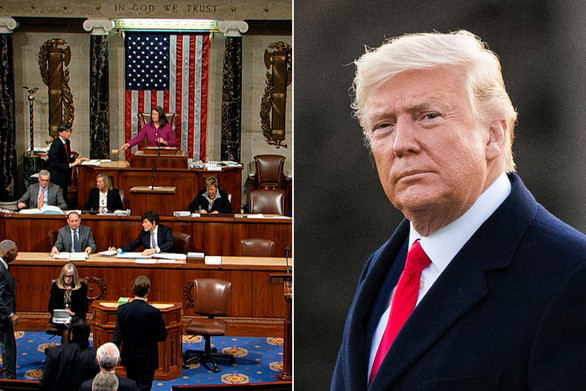
Now that the rule has failed, lawmakers are expected to introduce a joint resolution aimed at blocking certain tariffs. If such a resolution passes the House, it would move to the Senate for consideration.
Should both chambers approve it, the measure would go to the president’s desk. A veto is possible, in which case Congress would require a two-thirds supermajority in both chambers to override it—an outcome widely considered unlikely given current partisan dynamics.
Still, the symbolic and political implications are substantial. Members of Congress will be forced to go on record regarding their position on the tariffs—a vote that could become a campaign issue in competitive districts.
Tariffs and Economic Debate
Tariffs remain one of the most contentious economic tools in modern U.S. politics. Supporters argue they protect domestic industries, address trade imbalances, and strengthen national security. Critics counter that tariffs function as taxes on imported goods, increasing costs for American businesses and consumers.
Recent economic data showing inflation pressures and mixed employment trends have intensified debate over the long-term impact of protectionist trade policies.
The political stakes are particularly high in manufacturing-heavy districts and agricultural regions, where export markets and supply chains are directly affected by trade disputes.
Additional Controversies Add to Political Tension
The failed rule vote comes amid broader political turbulence in Washington.
Speaker Johnson has faced questions about executive-branch investigations, Department of Justice transparency, and the handling of high-profile legal matters. Meanwhile, some Republican lawmakers have clashed publicly over how aggressively Congress should assert oversight authority.
Separately, controversy has surrounded attempts by federal prosecutors to pursue charges against certain Democratic lawmakers over public statements regarding military conduct and unlawful orders. A federal grand jury ultimately declined to issue indictments.
These overlapping disputes have heightened partisan tensions and increased scrutiny of congressional leadership.
Rare Procedural Defeat Reflects Deeper Divisions
Historically, rule votes are considered party-line formalities. Leadership carefully counts votes in advance to avoid embarrassment. A failed rule signals either internal rebellion or strategic miscalculation.
Political analysts note that with a narrow majority, even a small number of defections can derail leadership priorities. The vote suggests some Republicans are increasingly willing to break with party leadership on trade policy and constitutional authority.
Whether this represents a temporary protest or a broader shift within the GOP remains unclear.
Midterm Implications
As the midterm elections approach, the tariff issue could become a defining economic debate.
Republicans defending tariffs may argue they protect American jobs and strengthen negotiating leverage. Opponents within both parties are likely to frame them as hidden taxes contributing to higher consumer prices.
With inflation and cost-of-living concerns remaining top voter priorities, how lawmakers vote on upcoming tariff resolutions could feature prominently in campaign messaging.
A Test of Congressional Power
At its core, the dispute is about institutional authority: Should Congress reclaim greater control over tariff policy, or should the executive branch retain broad emergency powers to impose trade restrictions?
The House vote ensures that question will not remain procedural—it will now be debated openly on the floor.
For Speaker Johnson, the failed rule represents both a political setback and a warning sign about party unity. For lawmakers on both sides of the aisle, it marks the beginning of what could become a defining economic showdown of the 119th Congress.
As the tariff resolutions advance, one thing is clear: the battle over trade policy—and the balance of power in Washington—is far from over.