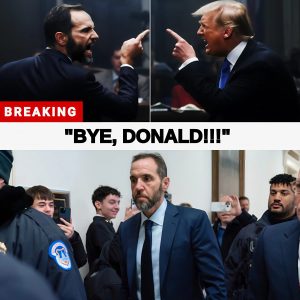
Fresh impeachment resolutions against President Trump ignite Washington again — yet party math, election timing, and public fatigue suggest a battle more symbolic than decisive
WASHINGTON — Congress has once again stepped onto the impeachment battlefield, as Democrats introduce new resolutions accusing President Donald Trump of abuse of power, obstruction of Congress, and violations tied to military action without authorization. The headlines are dramatic, the rhetoric incendiary, and the stakes loudly proclaimed. But beneath the noise, the political reality looks strikingly familiar.
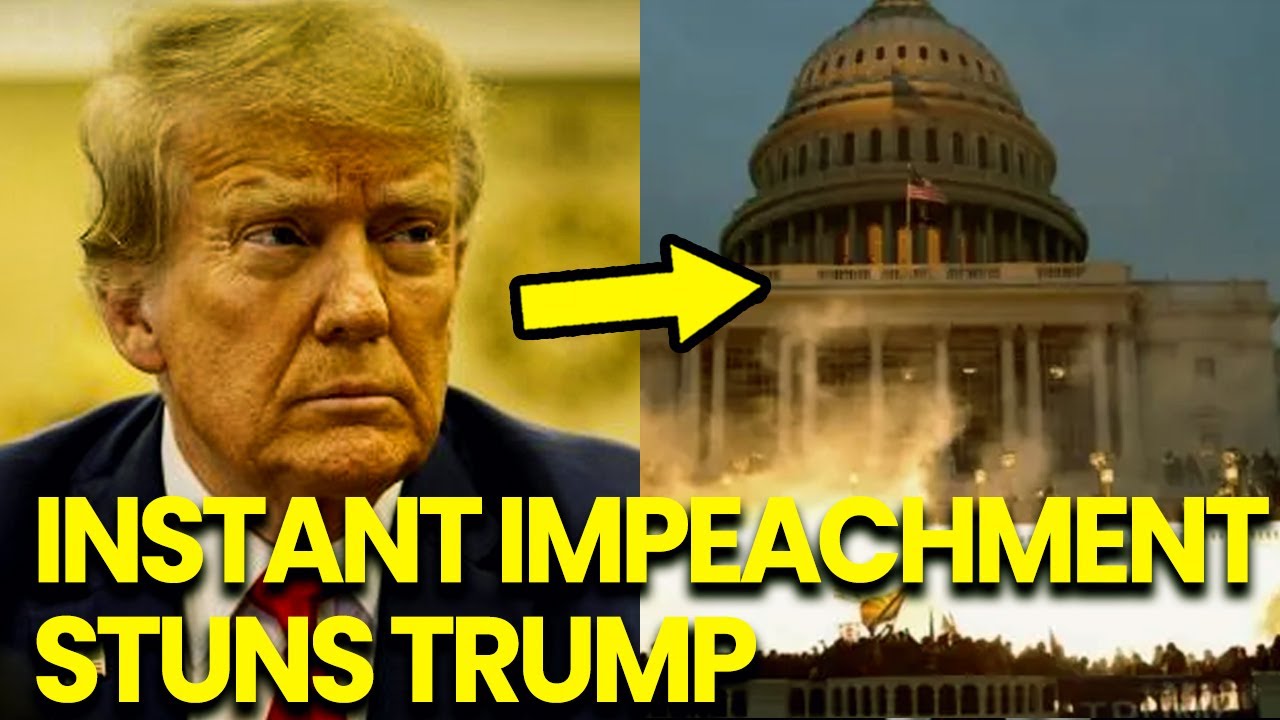
In a sharply divided House, impeachment is back not as a sudden constitutional emergency, but as a strategic confrontation shaped by timing, party control, and the looming 2026 midterm elections.
The immediate spark came with a pair of impeachment resolutions introduced this spring, collectively laying out a sweeping indictment of Trump’s second-term conduct. One resolution outlines seven articles of impeachment, ranging from obstruction of justice and usurpation of congressional authority to the creation of unlawful executive offices. A second resolution, introduced weeks later, adds allegations tied to unauthorized military action, arguing the president bypassed Congress in ways that violate the Constitution’s war powers framework.
Supporters point to more than 200 House co-sponsors, arguing the effort reflects more than fringe outrage. “This is about defending the Constitution,” one sponsor said, framing impeachment as a necessary response to what Democrats describe as an expanding and unchecked executive branch.
But reality intervened quickly. In late June, the House voted 344–79 to table — effectively shelve — a related impeachment effort centered on abuse of power claims. The vote was bipartisan and decisive. The message from leadership was unmistakable: there is little appetite, at least for now, to force the House into a full impeachment showdown.
That vote underscored the central paradox of impeachment in 2025. The political energy exists. The procedural pathway exists. The votes to remove a president do not.
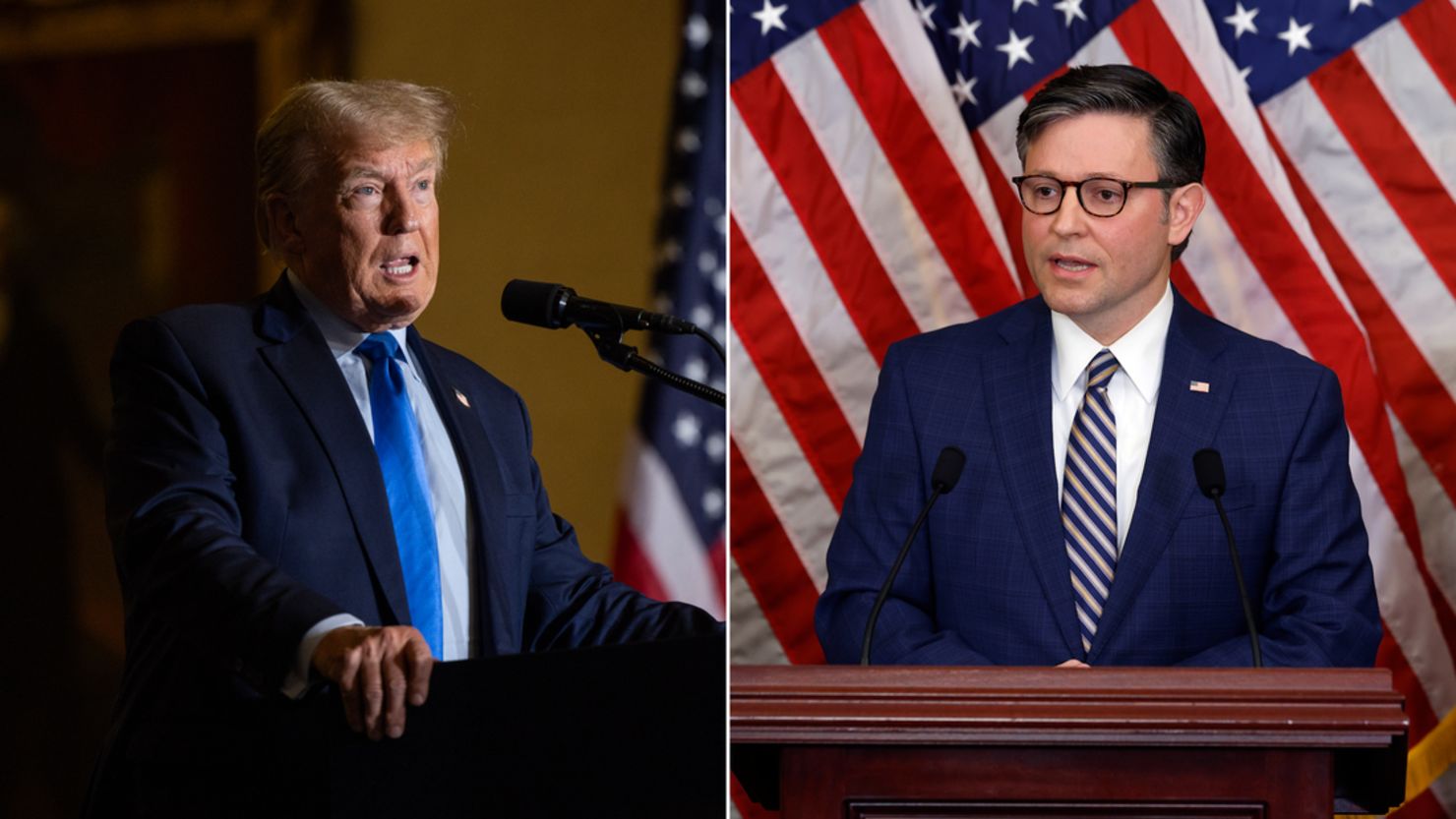
Even if the House were to pass articles of impeachment, conviction would require a two-thirds vote in the Senate — 67 senators. Republicans currently hold 53 seats, meaning at least 14 GOP senators would need to defect. That threshold has not been reached in any modern impeachment trial, including Trump’s two impeachments during his first term.
Republican leaders have already signaled their position. They describe the new resolutions as partisan theater, arguing Democrats are recycling grievances rather than addressing inflation, immigration, and public safety. “This is an election strategy masquerading as constitutional concern,” one Republican aide said bluntly.
Democrats counter that the substance matters, even if removal is unlikely. They argue impeachment is not just about conviction, but about public accountability — forcing testimony, exposing documents, and putting members of Congress on record. In that sense, impeachment becomes less a legal endpoint and more a political instrument.
The timing reinforces that logic. With the 2026 midterms approaching, Democrats face pressure from their base to confront Trump aggressively. Impeachment guarantees wall-to-wall coverage, sharpens contrasts, and keeps the president’s most controversial actions in the spotlight.
“It’s about defining the choice voters will face,” one Democratic strategist said. “Not just who Trump is, but what unchecked power looks like.”
Yet history casts a long shadow. Trump’s previous impeachments did not weaken his grip on the Republican Party. In fact, his approval ratings among GOP voters often rose during impeachment fights, fueled by claims of persecution and “witch hunts.” Donors rallied. Media ecosystems hardened. The country polarized further.
That precedent raises a real risk for Democrats: another failed impeachment could hand Trump a familiar script of vindication, reinforcing his narrative that institutions are weaponized against him.
Public opinion offers mixed signals. Recent polling places Trump’s approval in the low 40s, down from earlier in his term, driven by economic anxiety and policy fatigue. But polarization remains extreme. Few voters appear undecided about him — a dangerous environment for persuasion-based strategies.

The constitutional debate itself is also fraught. Impeachment is, by design, a political process, not a criminal one. “High crimes and misdemeanors” has never had a fixed definition, leaving Congress wide discretion. Critics argue that discretion has now been stretched so often that impeachment risks losing its gravity.
Legal scholars warn that normalizing impeachment as routine partisan warfare could weaken democratic legitimacy. If every presidency is shadowed by impeachment threats, elections risk feeling provisional — subject to reversal by congressional majorities rather than voters.
For now, the most likely scenario is procedural drift. The resolutions will sit in committee, occasionally revived for messaging moments, hearings, or fundraising appeals. A full House vote remains possible, but not inevitable. Senate conviction remains implausible.
What will matter more, analysts suggest, is what impeachment uncovers along the way — if anything. Past inquiries have sometimes surfaced damaging evidence that reshaped narratives, even without removal. Whether that happens again is an open question.
In the end, this impeachment push says as much about American politics as it does about Donald Trump. It reflects a system locked in permanent confrontation, where accountability and strategy blur, and where constitutional tools double as campaign weapons.
Trump remains in office, wielding the full powers of the presidency. Congress remains divided, searching for leverage. And the country watches another impeachment chapter unfold — less shocked than before, more exhausted than ever.