Jeffrey Epstein Became a Symbol of Wealth, Secrecy, and Global Scandal
Jeffrey Epstein, the enigmatic financier whose life intertwined with the highest echelons of American and international society, emerged as one of the most controversial figures of the modern era. Once a fixture among elites—politicians, billionaires, academics, and celebrities—his carefully cultivated world of privilege unraveled in a cascade of allegations that exposed a disturbing undercurrent of exploitation and abuse. Epstein’s story is not merely one of personal downfall but a stark examination of how immense wealth and influence can obscure accountability, allowing hidden crimes to persist for years before erupting into public view.
A Life Built on Connections and Opulence
Epstein cultivated an aura of mystery around his wealth and operations. A college dropout who transitioned from teaching mathematics to a career in finance, he amassed a fortune through opaque means, associating with prominent figures in business and politics. His lifestyle was defined by extravagance: private jets that ferried guests across continents, luxurious estates including a sprawling Manhattan townhouse and a remote island retreat in the U.S. Virgin Islands. These venues became synonymous with his social orbit, where the powerful mingled amid an atmosphere of exclusivity and discretion.
Behind the veneer of sophistication, however, lay troubling patterns. Epstein surrounded himself with influential associates, leveraging these relationships to maintain a facade of legitimacy. The private jets and island estates were more than symbols of success; they facilitated a network that, according to later accusations, enabled the systematic abuse of vulnerable young women and girls.
The Unraveling: Arrest on Federal Sex Trafficking Charges
The facade began to crack decisively in 2019. On July 6 of that year, federal authorities arrested Epstein at Teterboro Airport in New Jersey upon his return from Paris. Prosecutors in the Southern District of New York charged him with sex trafficking of minors and conspiracy to commit sex trafficking. The indictment alleged that Epstein had orchestrated a scheme spanning years, recruiting and grooming dozens of underage girls for sexual exploitation, often under the guise of providing “massages” at his properties.
The charges painted a picture of a calculated operation, one that exploited the aspirations and vulnerabilities of young victims. Evidence seized from his Manhattan residence included thousands of explicit photographs and other materials that underscored the scale of the alleged crimes. Epstein pleaded not guilty, but the arrest marked a turning point: what had once been whispered allegations in Florida a decade earlier now commanded national and international attention.
A Controversial Death That Fueled Endless Questions
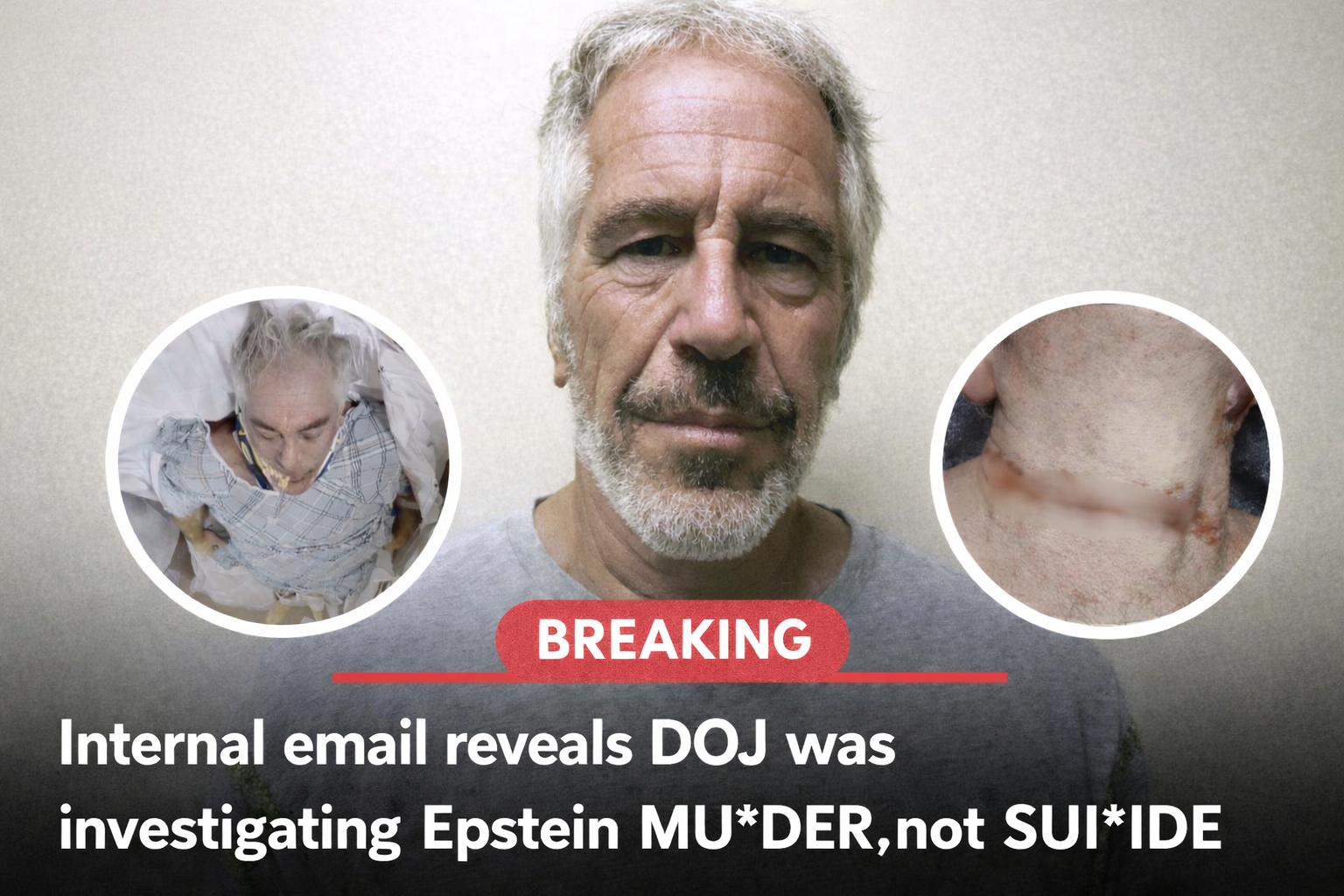
Tragedy—and controversy—struck just weeks later. On August 10, 2019, Epstein was found unresponsive in his cell at the Metropolitan Correctional Center in Lower Manhattan, where he was awaiting trial. Officials ruled his death a suicide by hanging, but the circumstances ignited widespread speculation and scrutiny. Guards had failed to conduct required checks, surveillance cameras malfunctioned in key areas, and staffing shortages plagued the facility.

The Justice Department’s inspector general later documented a series of negligence and mismanagement that allowed the suicide to occur, including falsified logs by correctional officers. Despite official conclusions, Epstein’s death—coming at a moment when his potential testimony could have implicated others—spawned persistent theories and demands for transparency. It transformed him from a defendant into a symbol of unresolved questions about power, privilege, and the limits of institutional oversight.
Accountability Through Ghislaine Maxwell’s Conviction
Epstein’s closest associate, Ghislaine Maxwell, emerged as a central figure in the aftermath. A British socialite and longtime confidante, Maxwell was arrested in 2020 and charged with facilitating Epstein’s abuse network. Prosecutors accused her of recruiting, grooming, and participating in the exploitation of underage girls from the mid-1990s through the early 2000s.
In December 2021, a federal jury in New York convicted Maxwell on five counts, including sex trafficking of a minor and related conspiracies. She was sentenced to 20 years in prison the following year. The trial brought forward victim testimonies that detailed a pattern of manipulation and coercion, offering a measure of justice to those who had long sought recognition. Maxwell’s conviction represented partial accountability in a case where influence had often shielded participants from consequences.

The Lasting Legacy of Influence and Unanswered Questions
Epstein’s case exposed the intersections of wealth, power, and secrecy in elite circles. His associations with prominent figures raised uncomfortable questions about complicity, access, and the protections afforded by status. The scandal highlighted systemic failures: delayed investigations, lenient plea deals in earlier proceedings, and the challenges of prosecuting crimes hidden behind layers of privilege.
Years after his death, documents continue to surface, fueling public discourse on accountability and the enduring impact on victims. What began as a story of one man’s hidden world has become a broader reckoning with how power can shield secrets—for a time—but not indefinitely. The Epstein saga remains a cautionary tale of ambition unchecked, where the pursuit of influence obscured profound moral failings, leaving a trail of devastation that no amount of wealth could erase.