The confrontation between President Donald J. Trump and Representative Joyce Beatty over the John F. Kennedy Center for the Performing Arts has emerged as one of the most striking symbolic battles of the early months of Trump’s second term, highlighting tensions over executive power, cultural institutions and the limits of presidential authority.
Trump’s Assertion of Authority in Renaming the Kennedy Center
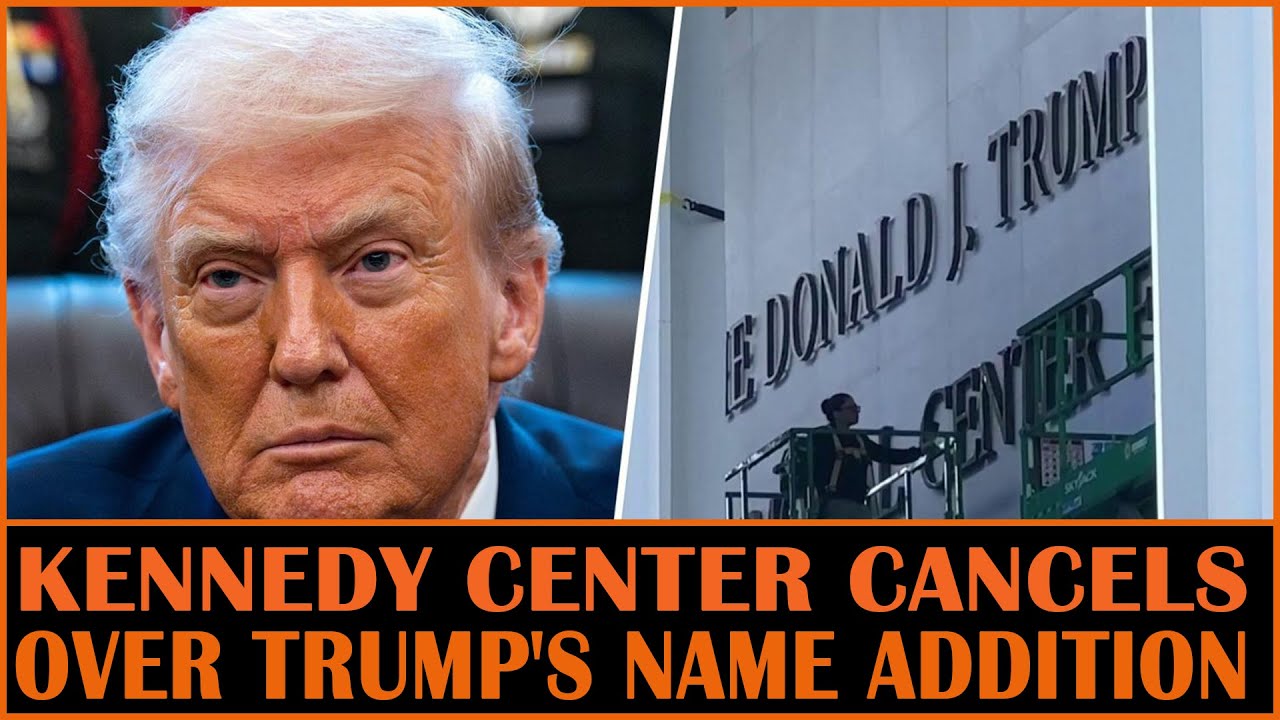
In late December 2025, the Kennedy Center’s board of trustees—reconstituted with appointees aligned with the administration—voted to add President Trump’s name to the institution, rebranding it as the Trump Kennedy Center or variations such as the Donald J. Trump and John F. Kennedy Memorial Center for the Performing Arts. New signage appeared on the building’s exterior almost immediately, and digital branding shifted accordingly. The move was presented by supporters as recognition of Trump’s efforts to revitalize the venue, but critics viewed it as an unprecedented personalization of a federally established cultural landmark originally named by Congress in honor of the assassinated president.
President Trump responded forcefully to emerging opposition. In characteristic style, he declared that he did not require legislative approval for the change. “I don’t need Congress to name a building,” he asserted publicly, framing the renaming as an administrative decision within his purview and challenging any lawmakers who might object to intervene. The statement underscored a broader theme in his administration: the assertion that executive action could reshape institutions without traditional checks, especially when backed by loyal board members installed through presidential influence.
Representative Joyce Beatty’s Legal Challenge
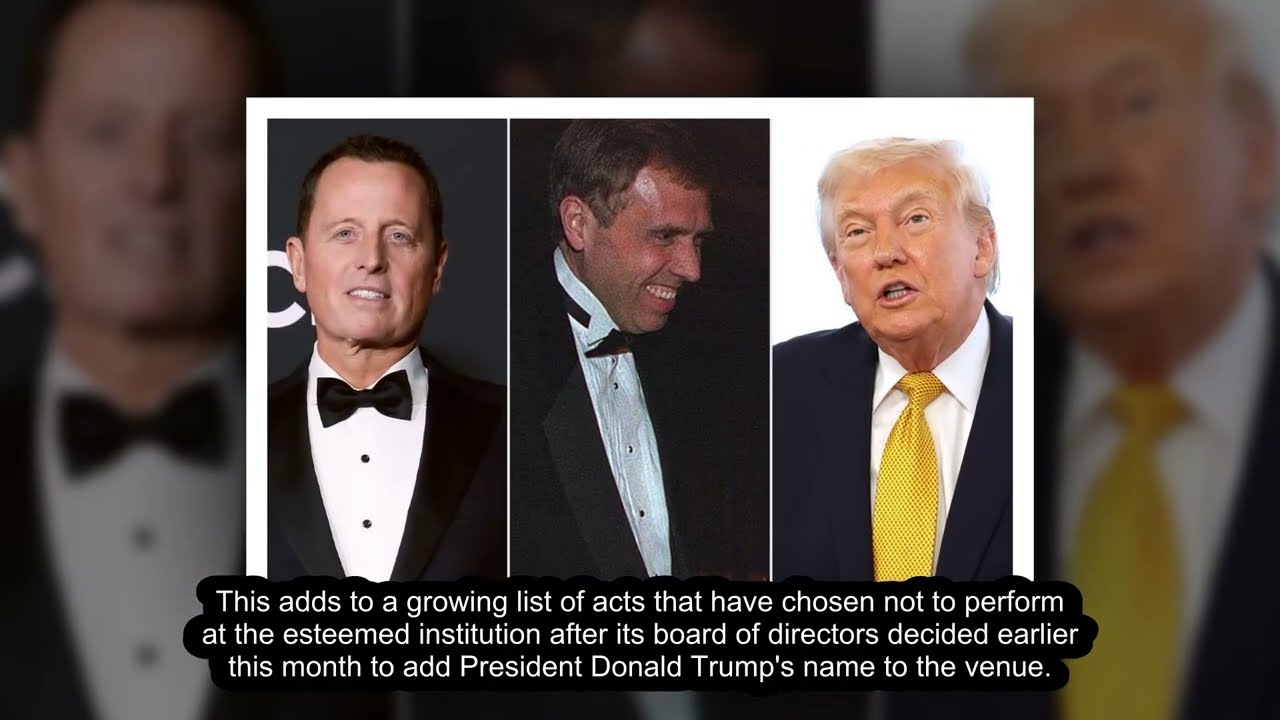
Representative Joyce Beatty, Democrat of Ohio and an ex officio trustee of the Kennedy Center by virtue of her congressional role, emerged as the most prominent figure opposing the change. Beatty, a veteran lawmaker known for her work on civil rights and community issues, filed a lawsuit in the U.S. District Court for the District of Columbia shortly after the renaming. The complaint, supported by Democracy Defenders Action and the Washington Litigation Group, argued that the board exceeded its authority. Federal statute explicitly names the center the John F. Kennedy Center for the Performing Arts, and altering that designation requires an act of Congress—not a board vote, even one unanimous among attending members.
Beatty’s suit detailed procedural irregularities during the pivotal board meeting. She participated virtually but alleged she was muted and prevented from voicing objections when the renaming was proposed without prior notice. The filing described the process as a “sham” resembling authoritarian maneuvers rather than deliberative governance, emphasizing that the Kennedy Center functions as a living memorial to President Kennedy and a nonpartisan hub for the arts. “Only Congress has the authority to rename the Kennedy Center,” Beatty stated in accompanying remarks. “President Trump and his cronies must not be allowed to trample federal law and bypass Congress to feed his ego.”
The lawsuit seeks a court declaration that the renaming is unlawful, an injunction to remove all associated signage and branding, and restoration of the original name. It reflects deeper concerns about the politicization of cultural spaces funded and overseen by Congress.
A Surprising and Swift Rebuttal
Beatty’s response did not end with the filing. She maintained steady public pressure, issuing statements that kept the issue in the spotlight and rallied support from fellow Democrats, including members of the Congressional Black Caucus. Her measured yet resolute stance contrasted sharply with the administration’s aggressive posture, and sources indicated that Trump’s initial bluster gave way to private frustration as the legal challenge gained traction and media attention. The congresswoman’s refusal to back down—combined with the lawsuit’s precise legal grounding—left the president and his allies facing prolonged scrutiny in the courts, where the case remains pending as of early 2026.
The episode extended beyond the name change. In February 2026, Trump announced a two-year closure of the Kennedy Center for renovations, a decision Beatty swiftly criticized as another unilateral move disregarding congressional oversight and the livelihoods of artists, staff and contractors. She highlighted the institution’s congressional funding and the need for legislative input on such major disruptions.
This clash encapsulates larger debates about the balance of power in Washington, the independence of cultural institutions and the role of personality in governance. For Representative Beatty, it has solidified her reputation as a principled defender of institutional integrity against overreach. For President Trump, it stands as a reminder that even bold claims of authority can encounter determined institutional resistance. As the lawsuit proceeds, the future of the Kennedy Center’s name—and what it symbolizes—remains unresolved, a quiet but persistent flashpoint in an era of heightened political drama.