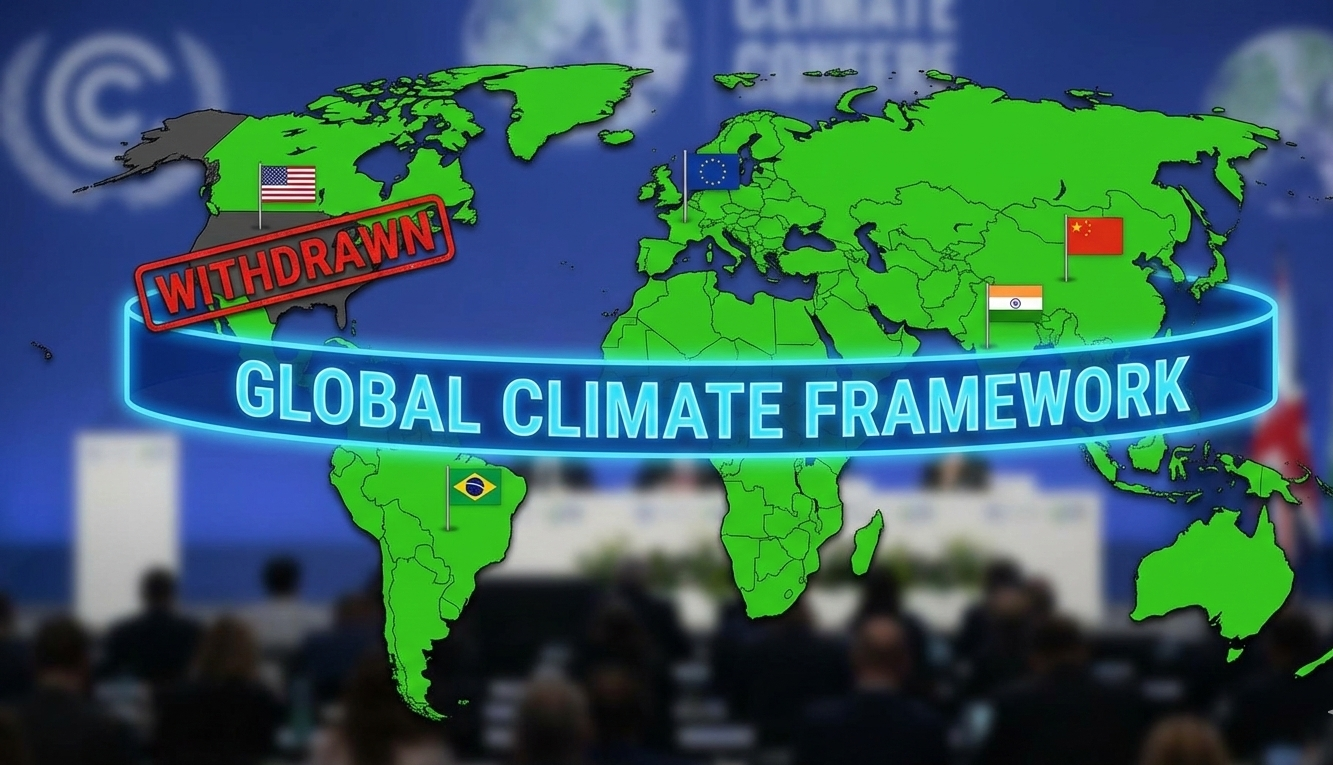
A familiar fault line in global politics cracked open again this week after former President Donald Trump announced a sweeping withdrawal of U.S. financial support from the United Nations’ climate architecture, including the 1992 UN Framework Convention on Climate Change and dozens of related international bodies. The move immediately ignited fierce reactions across diplomatic, environmental, and political circles, underscoring the enduring divide between advocates of multilateral climate action and those who argue such institutions no longer serve American interests.
According to the announcement, the United States will halt funding to the UN climate framework and approximately 65 additional international organizations that the Trump team described as “bloated, redundant, and mismanaged.” The decision represents one of the most aggressive rejections yet of the global climate governance system built over the past three decades, and it revives a central theme of Trump’s political brand: skepticism toward international commitments perceived to constrain U.S. sovereignty while delivering limited domestic benefit.

Supporters of the move argue that the reaction from international officials and climate advocacy groups reveals a long-standing dependency on American funding. Within hours of the announcement, critics warned of dire consequences for global climate cooperation, accusing the United States of abandoning its responsibilities and undermining collective efforts to address climate change. Trump allies, however, framed the backlash as confirmation of their core claim—that many global institutions value American participation primarily for its financial contributions rather than mutual benefit.
For decades, the United States has been one of the largest financial backers of UN climate initiatives, contributing billions of dollars to research, reporting mechanisms, administrative bodies, and climate-related development programs. Critics within Trump’s orbit contend that these expenditures have produced little measurable return for American workers, particularly those facing rising energy costs at home.
“What’s missing from all the outrage is any clear benefit to the average American,” said one senior Republican strategist familiar with the decision. “Energy bills keep going up, manufacturing gets squeezed, and we’re told to accept it in the name of global obligations—while major competitors play by different rules.”
China, frequently cited by Trump and his allies, looms large in that argument. Despite being the world’s largest emitter of greenhouse gases, China continues to expand coal-fired power generation even as it participates in international climate agreements. To critics of the UN framework, this disparity epitomizes what they see as a system that imposes restrictions on Western economies while allowing strategic rivals greater flexibility.
Secretary of State Marco Rubio amplified that critique in blunt terms, describing many of the affected institutions as “redundant, mismanaged, unnecessary, and wasteful.” His comments signaled that the withdrawal was not merely symbolic, but part of a broader reassessment of U.S. engagement with multilateral organizations. “This is about priorities,” Rubio said in a statement. “American taxpayers should not be funding international bureaucracies that cannot demonstrate clear value or accountability.”
Within the UN climate bureaucracy, the response was swift and sharply critical. Officials warned that the U.S. decision could disrupt reporting mechanisms, funding streams for developing countries, and long-term climate planning. Several diplomats privately expressed concern that other nations might follow Washington’s lead, weakening the already fragile consensus underpinning global climate agreements.
Environmental groups were even more direct. Advocacy organizations accused Trump of dismantling decades of climate progress and ignoring scientific consensus. Many reiterated the familiar refrain that “the science is settled,” arguing that withdrawal from international frameworks undermines coordinated action against what they describe as an existential threat.
Trump’s supporters counter that such language exemplifies the problem. They argue that climate policy has evolved into a permanent system of obligations—more reports, more compliance mechanisms, more funding—without clear endpoints or accountability. In their view, the UN framework functions less as a solution-driven enterprise and more as a self-sustaining bureaucracy.
At the heart of the dispute is a philosophical divide over governance. Global climate agreements are built on the premise that climate change represents a collective-action problem requiring supranational coordination. Trump’s approach rejects that premise, favoring national decision-making and market-driven energy policy over binding international commitments.
“They wanted a permanent guilt contract,” said a former Trump administration official, referring to language in UN documents about “dangerous anthropogenic interference with the climate system.” “Trump chose sovereignty instead—along with cheaper energy and domestic jobs.”
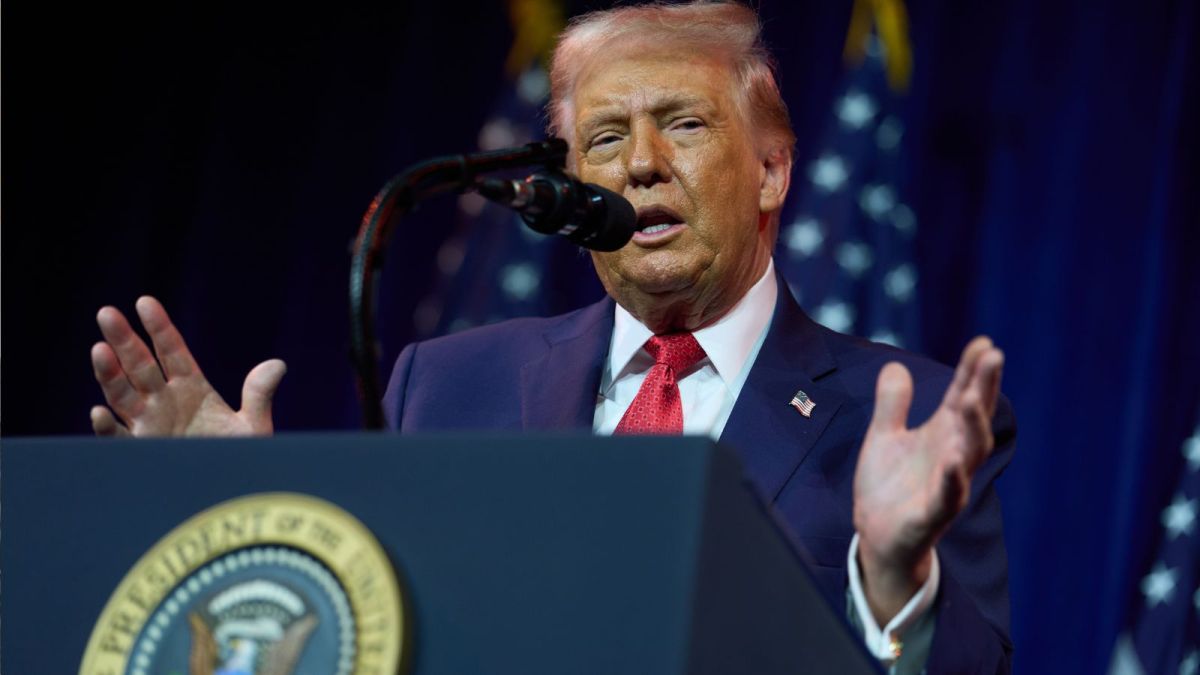
The political implications are significant. Climate policy has become a defining issue in American elections, with Democrats largely supporting international engagement and Republicans increasingly skeptical of global frameworks. By yanking U.S. funding, Trump has once again forced the issue into the spotlight, galvanizing both supporters who applaud the rejection of what they see as globalist overreach and critics who warn of long-term environmental and diplomatic costs.
Economically, the decision may have immediate and symbolic effects. Supporters argue that freeing the U.S. from international climate constraints could encourage domestic energy production, lower costs, and boost employment in traditional energy sectors. Critics warn that it risks isolating the United States from emerging clean-energy markets and technological cooperation.
Internationally, the move complicates already strained relationships. European leaders, many of whom view climate policy as central to global governance, expressed frustration and disappointment. Yet some analysts note that behind closed doors, even allies acknowledge frustrations with the inefficiency and sprawl of international climate institutions.
As the dust settles, one reality is clear: the decision is less about climate science itself than about power, money, and control. For Trump and his allies, the withdrawal is a declaration that American participation in global institutions is conditional—not automatic—and that financial support must align with tangible national interests.
Whether the move ultimately reshapes global climate governance or simply deepens existing divisions remains to be seen. What is certain is that the debate it reignites—over sovereignty versus multilateralism, national interest versus global obligation—will continue to define American politics and foreign policy in the years ahead.