WASHINGTON — President Donald Trump has issued a stark warning to Minnesota state and city leaders, threatening to invoke the Insurrection Act, a seldom-used federal statute that allows the president to deploy U.S. military forces domestically to suppress unrest, if ongoing clashes between protesters and federal immigration agents do not cease. The threat — which has intensified an already volatile situation in Minneapolis and across the state — emerged amid widespread demonstrations against federal immigration enforcement actions that followed a deadly shooting involving Immigration and Customs Enforcement (ICE) officers.
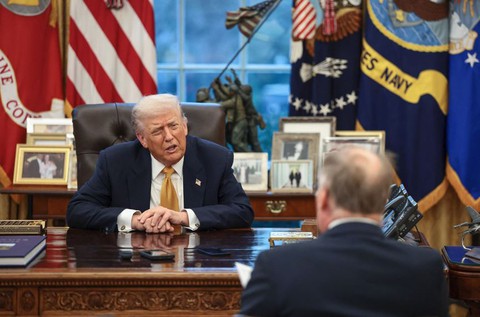
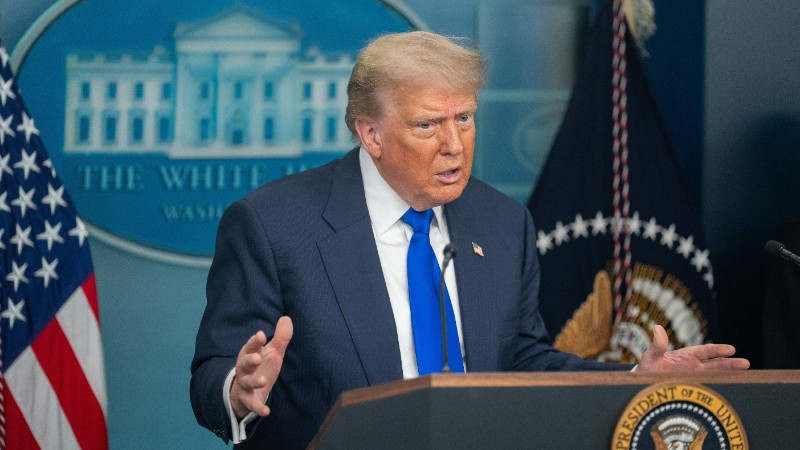
“If local officials do not obey the law and stop the professional agitators and insurrectionists attacking our federal agents, we will take every lawful measure available — including invoking the Insurrection Act to protect American lives and uphold order,” Trump wrote on social media late Thursday night. The message explicitly placed responsibility on Minnesota leaders to quell protests directed at federal immigration personnel.

Escalation After Deadly Shooting
The warning follows a series of intense confrontations between protestors and federal agents deployed to Minneapolis as part of a significant immigration enforcement campaign ordered by the administration. Tensions have been simmering since January 7, when a U.S. Immigration and Customs Enforcement officer fatally shot 37-year-old Renée Nicole Good, a mother of three, during an enforcement operation in south Minneapolis. Good was killed when ICE agents confronted her vehicle during protests monitoring federal activity — a moment that has been seized upon by critics as a symbol of excessive force.
Local authorities, including Minneapolis Mayor Jacob Frey and Minnesota Attorney General Keith Ellison, have condemned the use of force and urged peaceful demonstrations, even as protests have grown in size and intensity. State leaders have insisted on de-escalation and transparency, while also warning that any attempt to invoke the Insurrection Act would face immediate legal challenges.
A Nation on Edge
Trump’s warning has marked a dramatic escalation in the standoff. The Insurrection Act, first enacted in 1807, grants the president authority to deploy the U.S. military within the United States in extraordinary circumstances, such as suppressing insurrections or enforcing federal law when state authorities are unable or unwilling to do so. The law has been used sparingly in U.S. history, most notably during civil rights-era unrest and natural disasters, but invoking it to address protest activity would be historic and highly controversial.
Republicans in Washington offered mixed reactions. Some GOP lawmakers expressed support for a strong federal response to what they describe as lawlessness and threats against federal personnel. Others cautioned against invoking the act, warning that deploying the military against domestic protestors could deepen national divisions and spark further legal and political battles.
Civil rights groups, advocacy organizations, and Democratic officials have been swift in denouncing the threat, characterizing it as an overreach of executive power. They argue that the administration itself has contributed to the unrest by deploying thousands of heavily armed immigration agents — a force that critics contend resembles an “armed occupation” rather than a targeted law enforcement operation.
Courts and Legal Battles Already Underway
Legal challenges are already underway as Minnesota and its largest cities — including Minneapolis and St. Paul — have filed lawsuits seeking to stop parts of the Trump administration’s immigration enforcement surge, asserting that federal actions violate constitutional rights and exceed legitimate authority. These legal battles intensified after officials moved to limit state access to evidence in the federal investigation of the Good shooting, a decision that drew sharp criticism from state officials and legal observers alike.
Additionally, federal judges have imposed injunctions curbing the behavior of federal agents toward peaceful protestors, prohibiting arrests and force against demonstrators unless there is clear evidence of criminal activity or obstruction. These court orders reflect mounting judicial concern over federal tactics in Minneapolis and underscore the complexity of the state-federal confrontation.
On the Ground in Minnesota
Meanwhile, the streets of Minneapolis and other cities remain tense. Protests have spread beyond Minnesota into cities nationwide, with demonstrators decrying the use of deadly force and demanding accountability from federal authorities. Candlelight vigils, chants calling for ICE to withdraw, and mass gatherings have underscored growing public outrage stemming from the fatal shooting and broader concerns about immigration enforcement policies.
In Minneapolis, efforts to track, document, and protest ICE operations have become more organized, with community groups and volunteers actively monitoring federal agent movements and broadcasting developments to wider audiences. These activities have drawn attention to the broader national debate over immigration policy, civil liberties, and the role of federal law enforcement in local communities.
What Comes Next
As the Trump administration’s threat to invoke the Insurrection Act looms, constitutional scholars, state officials, and advocacy organizations are preparing for yet another round of legal and political conflict. Questions about federal authority, civil-military relations, and the rights of protestors are likely to dominate debates in the coming days.
Whether Trump’s warning will translate into action remains uncertain, but the president’s declaration has already reshaped the national conversation — intensifying scrutiny of immigration enforcement tactics, executive power, and the fragile balance between order and civil liberties. As Minnesota and the broader nation watch closely, the unfolding events may well become a defining test of federal and state power in the 2026 political landscape.